The path of the Seeker

By Alder Lyncurium

The Seeker is a figure that we find in a myriad of contexts and also in many levels of our own lives. We could say that we are all eternal seekers.

Many times we don’t even know that we are seeking something, until we find it. And most of those findings lead to a new seek. And so on.

But, what does a Seeker seek? And how does she or he get there? To answer that, I would like to mention something that Morgana Sythove shared with us in a conference in Madrid. She explained us how she had to travel abroad to actually appreciate what she had in her own land.

The path of the Seeker is a quest in which the Seeker walks around to end up facing himself.

It is not a coincidence that the temple of Apollo in Delphi has written on its doorway the famous aphorism: ‘Know thyself’.

The Seeker in the Craft

In the context of the Craft, or even the paganism in general, the path of the Seeker has a special meaning. The term Seeker is used to refer to those people who are seeking their paths – whether it is inside a coven or group, or on their own. This quest normally starts after a time of disruption and implies a 180-degree turn in their belief system.

Curiously enough, this figure is not found amongst those who are new to the Craft or the paganism, but rather amongst those who have been walking this path for a long while. It is true that many newcomers look for a group or a certain path to join, but many times the source of this is a feeling of loneliness or lack of acceptance – or just the fact that they feel overwhelmed by the amount of information.

The Seeker, on the other hand, is not lost – he just does not know where he is going. Without knowing it, he is embarking from which he will never return, at least not being the same person.

The tensing and loosening of the string

“If you tighten the strings too much,” the fisherman explained, “they will snap, and if you leave them too loose they won’t play, but if they are tuned to the right point, then you will make music.”

The Life of the Buddha by Cherry Gilchrist

One of the particularities of this period of time is the continued loosening and tensing of the string. The world of the Seeker has turned upside down, and now everything is vulnerable to be called into question. Nothing is sure and everything is possible. The Seeker strives to find something to hold onto while the world surrounding him falls apart.

During this process he may try to make an irrefutable axiom from the simplest thought or belief – either toward others, or himself. If he realises the extreme attitude, he will pursue to reach the other pole. Eventually, he will come back to the beginning, and so forth.

Certainly, we all change our views constantly, some more than others. And we may identify ourselves with this situation. But the Seeker is travelling on an inner roller coaster – a very radical and constant one.

It is up to him to find the balance between both poles – not a middle point, but a rhythm. Once this has been achieved, he will be able to dance between the different shades of grey.

The Dark Night of the Soul

O guiding dark of night!
O dark of night more darling than the dawn!
O night that can unite
A lover and loved one,
Lover and loved one moved in unison.”

St. John of the Cross – The Dark Night of the Soul

During this journey, the Seeker may find himself experiencing one of the most particular stages in spiritual development – The Dark Night of the Soul. For centuries, this stage, or process, has been featured in poetry, art and essays written by mystics of several traditions, like St. John of the Cross.

The Dark Night of the Soul is a disruption of our Ego, who is realising the change we want to bring, and fighting against it. And his ‘fighting techniques’ are not to be underestimated – if someone knows our darkest fears and weakest spots, that’s our Ego. Juan Mérida explained The Dark Night of the Soul as follows:

We experience the Dark Night of the Soul because our perception of what we are is not enough for the life for which we are preparing ourselves.”

The key words for this stage are Observance, Endurance and Acceptance. We will need to look face to face to our deepest self, we will need to endure during this process and accept it, without putting up a fight.

Frustration and the Roller Coaster: finding the rhythm

Between stillness and movement, we find rhythm.”

Beyond the Broomstick by Morgana Sythove

The journey of the Seeker could also be compared to a Roller Coaster – when he thinks that everything is over, it starts again, from the very beginning. This can lead to a lot of frustration, thinking that we aren’t heading anywhere. And, again, when everything seems to be coming to and end, the Roller Coaster goes down the tracks dramatically.

However, underlying this apparent incoherence, there’s a subtle and imperceptible pattern – a rhythm. It is like a parallel but straight Roller Coaster that has been storing the fruits of its uncontrolled counterpart. Like in many other aspects of our lives, our mind focuses on the busy part of the events, overlooking what’s hidden behind.

We need to find that rhythm. Look into we have achieved until now. If we don’t find it, we can create, focusing on a particular and constant task, or hobby.

Action – helping to bring a change

A physical act is always required in order to activate intangible forces in our world.”

The 72 names of God by Yehuda Berg

Not everything is observance during the journey. The Seeker will find that putting a little effort in his personal and spiritual work (being it meditating, performing rituals, divination or just writing) changes the whole perspective. If there’s a ‘painkiller’ for this process, that’s the personal work.

This aspect will be key on many levels. Due to the ‘inner’ character of the journey, we may face the fact that our external environment has become more hostile. In fact, it is us who are more vulnerable now. It is the perfect time to go back to our grassroots, our basic and personal practises.

Meditating on different aspects, developing new skills, writing are possible options – they don’t even have to be directly related to our spiritual practise. Find something that you enjoy, that makes you feel comfortable, something that fulfils you; and come back to it whenever you feel that everything is tumbling down.

Home Sweet Home

There’s nothing half so pleasant as coming home again.”

Margaret Elizabeth Sangster

At the beginning of the article, we said that we all could consider ourselves eternal seekers. If the journey is eternal, then there isn’t an end to it. But there are milestones.

Many times the Seeker doesn’t realise the he was embarked on this journey until this point is reached. It’s a point of death, and rebirth – and encounter with some very old friends.

This could mean the joining of a particular path or group, an initiation, or just a complete turnabout in our lives.

Foremost, it means the ‘end’ of the circular journey we started, and now, back in the same initial place, we can see our back; and that what is behind us and we couldn’t see before.

The key word for this final stage, together with rebirth, is Realisation. Where once we were wondering, now we realise.

Nonetheless, I said ‘end’, meaning that this is just the ending point of this concrete round of the circle – and ahead, there’s a brand new way. As I said at the beginning, we are eternal seekers after all. And we may not know where are we heading to, but we definitely know that we are on our way.

Geplaatst in English articles | Getagged , , | Reacties uitgeschakeld voor The path of the Seeker

Volle maan van de havik, plus maansverduistering

Foto van een kever, copyright Loes

Mijmeringen vooraf
Een voor mij heel herkenbare datum. De verjaardag van mijn jeugdvriendin, een vriendschap van 48 jaar! Ook zij wordt 52 jaar dit jaar, net als ik afgelopen 14 januari. Vriendschappen die stammen uit je kindertijd zijn vriendschappen die onvervangbaar zijn. Samen ben je opgegroeid en je kent de wederzijdse thuissituatie. Een welkome bron van informatie en reflectie bij tijd en wijle. Maar ook zij gaat nu de tweede ronde in van de Mayakalender. Na 52 jaar doorloop je de hele cyclus opnieuw. Ik vind dit een mooi moment om mijn oude do’s and don’ts eens goed te bekijken. Wat is mij met de paplepel ingegeven en kan ik overboord gooien? Ik heb gezocht naar een statement om mijn eerste cyclus af te sluiten en mijn nieuwe cyclus in te luiden.

Het is een tatoeage geworden. Dat was echt iets dat niet in mijn hoofd op zou komen, een echte don’t van huis uit. Toen ik vorig jaar op Castlefest zag dat Jeroen zijn poppenwerk neergelegd had en het tatoeëren had opgepakt, is er waarschijnlijk iets gaan broeden. Ik heb dus maanden, redelijk onbewust, over een tatoeage nagedacht. Toen ik het uitsprak was mijn dochter me voor. Die wilde ook een tatoeage en heeft ‘m nog eerder dan ik laten zetten.

Ondertussen is de eerste fase gezet en zal fase twee op 4 mei gezet worden. Een volle maan in de vorm van een moonhare en nog een verhaal, een mooi symbool dat past bij mijn pad. En ik wilde een wilgentak, maar die kwam te vervallen, die zou op bamboe of olijf gaan lijken, niet mooi. De wilg ben ik zelf, dat idee kwam spontaan op. En als wilg word ik bewoond door de wilgenhoutrups en -vlinder. Beide op ware grootte bij de volle maan. De rups is wel op het laatste moment veranderd in Absalom, de rups uit Alice in Wonderland. De rups die vraagt “Who are you?”, en hiermee vielen de stukjes op hun plek.

Dit is de vraag waar het in het leven om draait en waar het moeilijkst een antwoord op te geven is. Net als met planten en dieren: je kan ze wel determineren… maar vertel je daarmee ook wie of wat ze zijn? Zie je een plant of dier écht als je alleen maar zijn naam kent “O, dat is een paardenbloem” en je loopt weer door. Zie je de bloem dan werkelijk? Wat is dan je waarneming… wat neem je voor waar aan? En zo is het ook met Loes, kijk dat is ‘Loes’… maar daarmee is de kous niet af.

Net als planten en dieren hebben we een uitwerking op onze omgeving (schadelijk, medicinaal, sier, zeldzaam, veel voorkomend, enz.) wat zou er over mij te zeggen zijn? Ben ik een zege? Of ben ik een onbenullig grassprietje… wat weer een miskleun is, want gras is het belangrijkste gewas op aarde 🙂 Best wel leuk om zo naar mezelf te kijken en een antwoord te zoeken op de vraag “Who are you?” Wat is mijn uitwerking op de wereld, waardoor ben ik kenbaar… wat nemen toeschouwers voor waar aan als ze mij waarnemen? Zelfkennis loopt zo dus via de Ander… een mooie gedachte. En blijf dan maar eens trouw aan jezelf, het thema van deze volle maan. Ga je mee op pad?

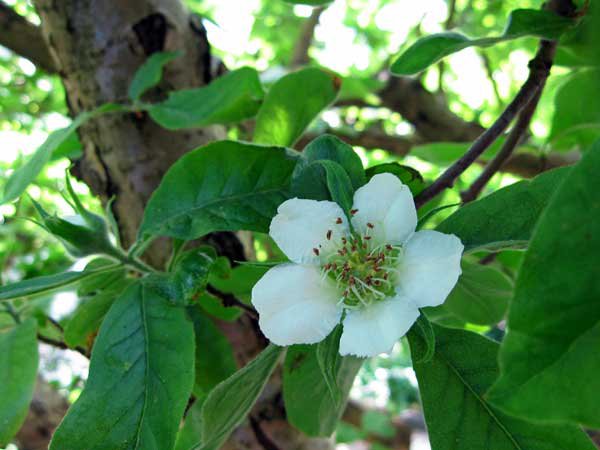
Bloesem, foto copyright Loes

Volle maan van de Havik 6 mei 2012

Thema: ‘Trouw zijn aan jezelf’

Even een stukje informatie
Na de volle maan van ‘De Klif’, de maan van Samhain, hebben we de vaste grond onder de voeten verlaten… zijn we de diepte in gegaan. De een gevallen, de ander gedwarreld of op vleugels afgedaald. De donkere tijd van het jaar nodigt uit tot zelfreflectie en bezinning. Het licht buiten gaat uit en binnen worden de kaarsen ontstoken. Met een kaarsje in de hand is het dé tijd om op onderzoek uit te gaan in jezelf. De tijd om je zonden te overzien en boete te doen… wauw, dat klinkt vreemd uit mijn ‘mond’. Toch even beter naar kijken, ‘wat is zonde’? Zonde is iets verspillen, iets laten weglopen, ergens niets mee doen. Zonde is een verspilling van energie, energie die ongebruikt blijft of wegsijpelt, dat is zonde. En boete dan? Wat is boete? Boeten is een gat dicht maken, het aloude netten boeten. Visnetten moeten regelmatig geboet worden, anders zwemt de vis door het net. In dit licht is het overzien van je zonden en het boeten een ander verhaal geworden.

“Waar haal jij je energie vandaan en hoe gebruik je het? En levert dit jou weer energie op?” Met andere woorden “Ben je in balans?”
Hoe vaak ik niet om me heen hoor dat mensen leeglopen op hun leven, hun problemen, hun werk enzovoort. De balans is er uit, mensen zijn moe! Ze lopen op hun reserve en krijgen geen energie van hetgeen ze doen. Ze zijn lek, leven in zonde, verspilde moeite. Tijd om je zonde te overzien en de vinger op de zere plek te leggen of in het gat te steken, net als Jantje en de dijk 🙂

De donkere tijd van het jaar leende zich hier prachtig voor, maar deze tijd moet je wel gebruiken!

De tijd van het bezien en boeten.

Deze tijd ligt nu achter ons. Nu is het de ‘Volle maan van de Havik’, de tijd van het weer aan land komen. Beltaine, het feest van de vruchtbaarheid, het feest van het vrouwelijke en mannelijke dat samen komt om de aarde vruchtbaar te maken. En het feest om je eigen energie, je vrouwelijke en mannelijke energie in balans te krijgen. En vruchtbare handelingen te verrichten, dus geen handelingen waar je op leeg loopt! Maar handelingen die vrucht zullen dragen.

Bij het naderen van de Klif waar je een half jaar geleden vanaf bent vertrokken, staat er nu iemand/iets op je te wachten, aan diegene mag je je verhaal van je bespiegelingen vertellen. Vanaf hier ga je het licht weer in, de donkerte achter je latend.

De paden op, de lanen in
Zo, dat was weer onderwijzend genoeg.

Nu naar mijn eigen ervaringen van afgelopen volle maan. De volle maan was 6 mei 2012 en ik kon niet meer lopen. De hele dag onkruid gewied en doodgevroren struiken verwijderd. 5 mei een dagje Bevrijdingsfestival Overijssel gedraaid achter de Tibet-stand. Mijn linker hiel, onder de zool, doet zo’n pijn dat ik besluit 7 mei te gaan wandelen. Op 6 mei, om 20.00 uur, zitten we in de auto naar huis, een heerlijk klusweekend achter ons. Met man en dochter ben ik naar Wapserveen geweest bij vrienden die een prachtig stuk land hebben. Manlief is het hele weekend geweest en mijn dochter en ik zijn zaterdagavond aangeschoven. Wat een feest om daar te zijn, moe maar bevredigend 🙂

Ik noem het altijd een plek om bij te tanken. Wat klopt dat mooi met bovenstaand ‘zondenpraatje’.

Dan, op 7 mei (het wordt steeds later donker) ga ik voor mijn vollemaanwandeling. Pas om 22.00 besluit ik de deur uit te stappen, toch weer met de auto, geen zin in voetpijn. Achteraf was het niet nodig geweest, ik was gewoon een beetje lui.

Als ik aankom bij de plek waar ik altijd de auto parkeer, staat er al een auto met de lichten aan. Ik weet dat dit ook een homo-ontmoetingsplek is. Ik parkeer mijn auto en pak mijn staf. De auto rijdt pas weg als er ook een andere auto aankomt. Toch gaan ze naar een verschillende plek… ach, wat een hersenkronkels ook. Ik stap het buitengebied in, het is stil en de lucht is zwak zoet. Er hangt iets in de lucht, een zoete belofte 🙂 Het is aardedonker, de dag na volle maan is de maan altijd zo laat op dat ik ‘m niet meemaak op mijn verlate wandelingen.

Over de weilanden roep ik ‘Luca’, mijn staartloze zwart-witte kattevriend. Luca woont ’s winters thuis, bij zijn personeel, en ’s zomers trekt hij het buitengebied in om van muizen te leven en soms even bij te vreten thuis. Meestal vermagert hij dan wel in de loop van de zomer en wordt zijn oude litteken van zijn ongeluk weer zichtbaar. Luca is BAAS! Hij loopt graag met de mensen mee… een echte meeloper 🙂 Toch valt het mij op dat veel mensen niet op hem reageren; merken ze wel dat hij meeloopt? Soms lopen mensen bijna over hem heen als hij op hen afloopt, maf.

Ik heb Luca al zeker een half jaar niet meer gezien, eigenlijk ben ik best bezorgd: is hij wel door de winter heen gekomen?

Na hem geroepen te hebben, loop ik door; hij weet nu in ieder geval dat ik er ben 🙂 Het is echt (voor stadse begrippen) donker. Ik kan niet ver de weg inkijken, ik merk dat ik ‘ren’. Bij de boom met het gat, waar ik een vorige wandeling een doosje sigaren aantrof, voel ik in het gat. Jawel, het doosje is er nog en de sigaren ook. Ook de elzenprop die ik erbij gedaan heb is er nog. Ik stop het doosje terug, grappig.

De weg van de wilgen is donker, ik kan het gat van ‘Boompje’ niet eens ontwaren. Als ik bij zijn stompje kom en de uitloper van vorig jaar bevoel, breken de takjes af. De uitloper is dood. Tijdens een van mijn vorige wandelingen had ik het topje van ‘Boompje’ al meegenomen. Dat ligt op mijn altaar, als aandenken en staf. Ik ben benieuwd of hij nog een poging gaat wagen om uit te lopen. Vooralsnog voelt hij dood, ik krijg ook niets van hem.

Jaren geleden, toen hij afgebroken was in een storm, heeft Luca mij voorgesteld aan ‘Boom 8’, de sterke, dikke knotwilg die naast ‘Boompje’ staat. Nu stap ik op ‘Boom 8’ af en vraag of ik weer bij hem mag komen. De takken die toen zijn stam onbenaderbaar maakten zijn nu weg.

Als ik contact maak met B8 (laat ik ‘m zo maar noemen, wat een flutnaam) zegt hij “Kom maar…” een ‘kom maar’ als troost uitgesproken. Ik omarm zijn struise stam en vlij me tegen hem aan. Wat een bescherming straalt deze boom uit! Ik voel me direct geborgen en een traan welt op, om ‘Boompje’? Of om het warme welkom waarin ik me klein en geborgen voel? Ik weet het even niet, hoeft ook niet. Zo staan we samen een hele tijd te genieten van elkaars gezelschap, in de donkerte en de wat broeierige wind. Het is zoet buiten en het belooft wat.

Zwammen op een boomstam, copyright Loes

De wilg
Even wat gegoogeld op wilg: “De boom van betovering, van dood en wedergeboorte in een nieuwe gedaante” (Boompjes wedergeboorte in B8), “van het ontwaken van sluimerende gaven, van intuïtie. De wilg wordt ook gebruikt als roede om het land wakker te schudden en vruchtbaar te maken. Beltaine valt in de wilgenmaand, een periode van magische groeikracht”. Wat een prachtige boom om mee in contact te staan.

“De wilg is de heksenboom bij uitstek. Omdat je haar steevast langs de waterkant of op drassige weilanden aantreft, is ze als vanzelfsprekend met de maan, die de zeeën regeert, verbonden. De zogenaamde heksenbezems worden gemaakt van berkentwijgen, een steel van es en de bast van de wilg om hen samen te binden. In het oude Griekenland was de wilg toegewijd aan Hekate, Circe, Hera en Persephone, de duistere of doods-aspecten van de drievoudige maangodin.”
Wat een prachtige boom om mij op mijn volle maanwandelingen te verwelkomen. En nu met de volle maan van de Havik, om mij op te vangen van mijn reis door de duistere periode.

Na een tijdje besluit ik door te wandelen, het bos in. Aan de overkant komen drie fietsers het bos in en besluiten op een bankje te gaan zitten en te babbelen. Ik stap even van het pad af, het bos in, dan ben ik gewoon onzichtbaar 🙂 Wat is het stil in het bos achter me en donker!!! Dan realiseer ik me dat mijn telefoon nog aanstaat, iieeek, als die af gaat 🙁 Ik pak mijn mobieltje en zet het uit, maar daarbij geeft hij opeens erg veel licht 🙂 De fietsers, jongelui zijn het, moeten zich rot zijn geschrokken, zomaar licht aan de overkant in het ‘verlaten’ donkere bos! Ze zijn in no time vertrokken, wat ben ik toch een sufkloot! Volgende keer zet ik mijn mobieltje van tevoren maar uit.

In mezelf giebelend pak ik het brede graspad, een pad dat geruisloos is. Het schelpenpad loop ik trouwens altijd in de grasrand, niets zo ergerlijk als dat geknisper onder mijn schoenen.

Venus staat de hele tijd uitnodigend aan de hemel. Venus, de godin van de Liefde, houdt me gezelschap en begeleidt me de hele wandeling. Als ik om 23.45 thuis kom is zij achter een nevel verdwenen, de gesluierde Venus 🙂 Morgenochtend zal zij weer zichtbaar zijn, als morgenster. Maar nu is ze mijn avondster.

Ik besluit langs het water terug te lopen. Vorige keer toen ik dat deed, schrok ik een vos op die aan het drinken was. Hij schoot toen vlak voor mijn voeten terug het bos in. Nu laat ik iedere stap mijn staf neerploffen. Een klein dreuntje op de grond, genoeg om dieren van tevoren te waarschuwen voor mijn komst. En eerlijk gezegd heb ik ook geen zin om te schrikken. Ik loop helemaal door tot aan de parkeerplaats in het bos waar net een auto aan komt rijden. Zijn lichten schijnen zo dat ik niet door kan lopen zonder in het schijnsel te komen, ik wacht even. Gelukkig gaan de lampen uit en kan ik verder, ik voel me net wild 🙂

Een bekend geluid
Verderop vind ik mijn wandeling eigenlijk nog niet voltooid. Ik zoek een weilandhek op en klim er, met wat moeite, op; volgens mij deed ik dat voorheen soepeler en sneller 🙂 Tjeempie, wat is het stil, leeft er dan geen fluit hier? In Wapserveen was het ronduit druk ’s nachts, wat een gekwaak en gepiep daar. Ik heb daar geleerd de schreeuw van de kerkuil te herkennen. En ik denk dat ik ‘m hier ook hoor in de verte, bij de boerderijen. Dan hoor ik hem opeens, achter mij, in het bos waar ik net uitkom. De nachtegaal… ja, dit weet ik zeker, die ken ik maar al te goed. De nachtegaal – de mannetjes komen een maand eerder dan de vrouwtjes – zingt nu uit volle borst om een territorium vast te leggen. Eén mannetje hoor ik, de rest komt nog… zeker!

Ik voel me direct een stuk meer bevredigd, kijk dit gaat ergens over, wat een cadeautje. Misschien is de automobilist ook een vogelaar, een homofiele vogelaar 🙂 weer die hersenkronkel.

Een oude vriend
Als ik zo een tijd heb zitten luisteren, weet ik het wel. Met een smile op mijn snuit stap ik verder. En dan in het schijnsel van de laatste straatlantaarn in dit buitengebied, op de driesprong van de ‘Wachter van de Driesprong’ (de machtige wilg die ‘was’, een drievoudige wilg, met drie stammen), komt Luca aangelopen. Op de plaats waar we jaren geleden kennis hebben gemaakt, juist daar. “Luca!” roep ik, hij holt naar me toe! Samen vrijen we wat af, ik ben er lekker bij gaan zitten aan de kant van de weg. Wat heerlijk om hem weer te zien. Ook Luca heet mij welkom bij deze volle maan; ik ben toch mooi opgewacht door B8 en Luca en de nachtegaal heeft voor me gezongen. Op een pad dat ‘verlicht’ werd door Venus, de avondster en de godin van de liefde. Wat een mooier welkom is er denkbaar? En ik die het zopas nog niet voltooid vond.

Ik geef Luca een laatste aai en wens hem een fijne nacht. Zonder gebruik te maken van mijn staf loop ik naar mijn auto, wat is het een heerlijke wandeling geweest!

Mijn gift aan de Havik
Nu achteraf zijn me geen bloemen opgevallen. Mocht ik De Havik echter een bloem aanbieden, dan ga ik voor de Pinksterbloem, deze bloem heeft mijn aandacht veel gehad afgelopen tijd.

De Pinksterbloem (even op gegoogled):

Voor je geboorte op aarde was je je bewust van jezelf en stond je stevig in je schoenen.
Nu, op aarde, ben je een twijfelaar.
Je wilt wel maar je bent niet kieskeurig.
Je plant jezelf overal maar neer.
Je bent tevens onzeker en kunt daardoor ook niet altijd de juiste bestemming voor jezelf uitkiezen of de voor jou geschikte beslissingen nemen.
Je mag hier best wat kieskeuriger in zijn.
Je verdient het niet dat mensen je, wanneer je het juist zo goed doet, afplukken en op een vaas zetten in een ruimte die jou niet bevalt.
Snap je de symboliek hierachter?

Ga naar binnen toe, lief kind, naar je hart.

Jouw hart is zo lief en zo mooi.
Dat geeft jou de juiste beslissingen mee.”

Wat een herkenning, ik zie mijn geklooi in mijn jeugd 🙂 gelukkig heb ik de weg naar mijn kinderhart gevonden. En alleen daar neem ik mijn beslissingen mee, trouw zijn aan mezelf, het thema van deze maan en nu wil ik een kopje thee!

Liefs, Loes

En zo wandelend probeer ik steeds beter een beeld van mezelf te krijgen, door maandelijks een rustmoment in te lassen en te stoeien met de vraag “Who are You?”. Die Absalom is best wijs voor een rups. Het is net als met de grasspriet: onderschat het kleine niet. Het antwoord kan in een kleine bloem zitten 🙂

Geplaatst in Volle Maan Wandelingen | Getagged , , | Reacties uitgeschakeld voor Volle maan van de havik, plus maansverduistering

Index 2010-2020

Via dit overzicht van inhoudsopgaven vind je de artikelen van Wiccan Rede Online in de volgorde waarin ze uitgebracht zijn, als het digitale tijdschrift, kwartaalblad, dat de opzet is van Wiccan Rede Online.
(Bij een reset zijn enkele artikelen en hoofdredactionele artikelen verloren gegaan, en zijn ook sommige afbeeldingen verdwenen).

Index Winter 2010-2011
Index Beltane 2011
Index Lughnasadh 2011
Index Samhain 2011

Index Imbolc 2012
Index Beltane 2012
Index Lughnasadh 2012
Index Samhain 2012 

Index Imbolc 2013
Index Beltane 2013
Index Lughnasadh 2013
Index Samhain 2013

Index Imbolc 2014
Index Beltane 2014
Index Lughnasadh 2014
Index Samhain 2014

Index Imbolc 2015
Index Beltane 2015
Index Lughnasadh 2015
Index Samhain 2015

Index Imbolc 2016
Index Beltane 2016
Index Lughnasadh 2016
Index Samhain 2016

Index Imbolc 2017
Index Beltane 2017
Index Lughnasadh 2017
Index Samhain 2017

Index Imbolc 2018
Index Beltane 2018
Index Lughnasadh 2018
Index Samhain 2018

Index Imbolc 2019
Index Beltane 2019
Index Lughnasadh 2019
Index Samhain 2019

Index Imbolc 2020
Index Beltane 2020
Index Lughnasadh 2020
Index Samhain 2020

Index Imbolc 2021
Index Beltane 2021
Index Lughnasadh 2021
Index Samhain 2021


Geplaatst in Artikelen, English articles | Getagged , , , | Reacties uitgeschakeld voor Index 2010-2020

Review ‘Thracian Magic – past & present’

Thracian Magic – past & present
Georgi Mishev 
Foreword by Prof. Valeria Fol. Translated by Ekaterina Ilieva

352 p., Avalonia books. ISBN 978-1-905297-48-1. RRP £16.99 http://avaloniabooks.co.uk/catalogue/hellenismos/thracian-magic


I first met Georgi online having met via a mutual acquaintance. It was quickly apparent that he was a sincere and dedicated follower of the Thracian tradition. I knew fairly early on that his wish was to share his love of Thracian and Bulgarian traditional culture. Although I had been to Bulgaria in 2006 it wasn’t until June 2012 that I would return. It was then that Georgi and I met along with other some equally charming Bulgarians. I will no doubt write more about Bulgarian customs and history another time. It is a wonderful magical country and every Bulgarian has their own story to tell.

I also had the good fortune to meet Ekaterina Ilieva in Sofia. She translated the text into English and she too told me many interesting things.

We had arranged to meet Georgi in Plovdiv and he took us to Starosel which was about an hour’s drive away. During the drive Georgi told me about his forthcoming book ‘Thracian Magic’ but also about the countryside we were passing.

A view of the surrounding countryside looking from Starosel, (Morgana June 2012)

He told us of the local herbs and a little of the local folklore. I realised later when I started reading his book that much of this has been incorporated into the manuscript. Full of incantations and spells the book is like a modern Grimoire. Starting with an overview of and an introduction to “Balkan antiquity, Thracians & Bulgaria” Georgi is not slow to underline the importance of the heritage of the Balkan peninsula for European civilisation. Indeed Plovdiv is regarded as the oldest city in Europe and is worthy of a book on its own. 🙂

Continuing our journey, we took a pleasant walk to the site. The temple area has been researched by Georgi and others and photos with much information about the site are displayed at the entrance.

The entrance of the Temple at Starosel, June 2012

A number of the finds and earlier research at Starosel have also been integrated into the book. The whole area is now famous for wine and must have been a fertile area in ancient times too. Many of the spells included foodstuffs especially bread and grain.

In the section titled ‘The Concept of the Goddess’ we read of how the Great Goddess takes a central role in Thracian worship. It is here that Georgi notes how these pagan practises were absorbed into later Christian worship:

“The Holy Mother of God, as the ancient Great Goddess, is also called in many magical practices. A part of those ritual acts are performed during the so-called common festivals connected and woven in the cult of the Christian female saints, and another part is performed by healers and magicians.”

Georgi Mishev & Morgana at the Starosel Temple, June 2012

Georgi talks more about his connection with the Mother Goddess and ‘Thracian Magic’ in the interview with Kenn Payne.

This book is an absolute must if you are interested in the pagan heritage of the Balkan, Thracian and Slavic people. Of course a visit to Bulgaria is even better. Georgi would love to hear from you!


Geplaatst in Boeken, English articles, Recensies | Getagged , , , , | Reacties uitgeschakeld voor Review ‘Thracian Magic – past & present’

Interview with Georgi Mishev

Interview with Georgi Mishev, author of ‘Thracian Magic: past & present’

by Kenn Payne


Fig. 1 Georgi Mishev at the Thracian sanctuary Mishkova niva in Strandzha mountain

1. What are your earliest memories of Hekate in your life?

To recording some experiences and emotions and the desire to convey them by means of language is really hard and on one hand gives the opportunity to others to get a glimpse of it, but on the other takes away from them their true feeling and thrill. When these experiences are related to contact with the divine they really are a part of the most intimate world of a person and this makes their description even more specific. Still the recorded remains and in this connection, no matter that the text containing such narratives might be just their pale reflection – it still gives the opportunity to the others to get  glimpse of one such connection and to seek their own.

I have always found it difficult and unnatural to describe my experiences and my memories connected with the image of the Goddess. I hope that the readers will forgive me my inability to convey the sensations and the true intimacy of these experiences, but I’ll try to a certain extent to tell about how and why I took and stood on that path – the path of the Goddess. Unlike the numerous romantic stories about divine revelations and enlightenments in the teenage years, my first memory of a kind of interaction with the Goddess was at the age of 7, during a severe illness. [1] Of course at the time I wasn’t familiar with her namings such as Hekate, Bendis and others. For me she was a huge female silhouette, which in that burdensome moment gave me peace and strength. Probably this is the main thing that marked my perception of the Goddess. In relation to Her I will always remain in the image of that child which felt under Her protection, which is going to seek Her approval and which is going to want to earn Her benevolence. The contact with the divine is a crucial moment, which marks the whole life of a person. ‘Seeing’ the divine implies difficulties, because it separates a part of us outside the normal and the human and places it in another world, which follows its own rules and norms. Such contact in a Christian environment usually has a couple of ways for development. One of them is when a person finds comfort in the Christian ideology (or respectively in some other official religious doctrine), but there is also another path, which in its essence is heretical, because it separates from the official. I can’t tell that either the one or the other is completely true for me because the Bulgarian traditional belief is much closer to the ancient pagan notions, than to the Christian canon. Some would call this syncretism, but this syncretism has more pagan than Christian elements. I grew up in a folk environment filled with dreams in which female ‘saints’ (in my opinion the Goddess) give behests and directions for performing rites – preparing of sacrificial breads, washing with herbs and others. This folk environment, as well as the deep connection with nature (for which I am especially grateful to all those elderly people, which surrounded me in my childhood), have defined in a great scale my perception of the Divine. The elderly healers in my native region, as well as the other people their age, had their own opinion and perception of the Divine, which was completely different from the official Christian view. Some years ago when I was drawing an icon of a female saint worshiped in my hometown, I depicted her not in the manner of the Christian canon, but like she was dreamt by a local woman. The words of that woman were: “Here we see her like that, we dream her like that…” My introduction to the magical rituality also took place in this environment. There were no books, no grimoires and no pretentious explanations about the energies. Folk magic is a carrier of the folk wisdom and those who practice it are unusual people. Their strong will is their main instrument, which armed with the knowledge of generations of ancestors, who inhabited these lands, makes them exceptional persons. The thing that’s different when someone is initiated in the magical in a traditional way and as a part of the traditional folk culture is exactly the recognition of authority. In the rituality there is no equality. Individuality is an important element of folk magic, when it transforms in part of the line of generations; in that case it complements and enriches them or vice versa. Along with the recognition of authority, what one learns is responsibility. The rites performed in a small collective suppose taking responsibility for their consequences. This is different from the contemporary environment where often the so called magicians and their patients/clients don’t know each other or never meet each other again. Motivation is the next major milestone. The elderly healers always used to say that assistance should not be refused and money should not be demanded, i.e. the motivation should never be connected with one’s own economic well-being. The image of the Goddess is preserved in the folk rites and although She is called a saint, in the rite She always remains the Great Goddess. The ritual texts of the incantations, the calendar rituals and the beliefs preserve until the present day an image of a divinity which combines all the elements, because they descend from Her. But of course with time, the one who has had some kind of contact with the Goddess, begins to understand that what he or she felt differs from the official religious doctrine (in my case the Christian), where the image of the Goddess is degraded and even humiliated.

2. What was the first book you read on Hekate?

I can’t say with certainty which was the first book I read in this connection, because this was really a long time ago (before 16-17 years).

Fig. 2 Georgi Mishev and Ekaterina Ilieva, translator ‘Thracian Magic: past & present’ at the Thracian sanctuary Harman kaya in the Eastern Rhodopes

3. How has your worship of the Goddess evolved over time?

The seeking, the studying of historical sources, as well as the connection between the places of performing a number of rites and the ancient sanctuaries situated there, determined also the development of my perception of the Goddess. In this moment of realization begins and the separation in one completely formal way, as it happened with me and with the formation of Thracian society ‘Threskeia’. The human is of course a social animal and seeks people with similar beliefs and perceptions. This is how our group formed, which we called ‘Threskeia’. The very word has Greek origin and it was used by the ancient authors to name the rites, which the Thracians performed, as well as their more different religious notion. Self-naming gives distinctness, recognition, which is an important moment in the world today. Of course we don’t seek the return of the past, but in the same time we don’t share a number of the beliefs of the contemporary pagans and wiccans in the sense that everything is permitted if it doesn’t hurt anyone. The conservative nature of our group, as well as the strict ritual discipline and rituality are based on many things. Most of us are very familiar with the traditional belief, i.e. follow rites established by generations before us. We know well and perform our rituals on many of the ancient sanctuaries. The ancient sacred places require respect and following certain rules of behaviour. This is of course really hard to understand by some contemporary pagans, which have formed their views on the basis of the books they have read and the movie productions they have seen. In this sense we don’t deny the personal contact of each of us with the divine, their enrichment and personal development, but in the same time we don’t think that the individual must shape millennial cultural messages. That is why the spiritual path of the group rite is the same in deed and words, but in its individual performance and application is a personal responsibility and right to every carrier of the belief.

Fig. 3 Georgi Mishev and priestesses of Threskeia at a crossroad honouring the Great Goddess

4. Can you share some insight on how you and your fellow worshippers view the Goddess and worship her in your homeland?

We worship and see the Goddess mainly as a Creatrix and Womb of life. Because she is the beginning and in the same time contains the end and what is between them. The calendar period and the nature itself are images of the different manifestations of the Goddess. Along with that during each and every day She also appears and receives honour in her many forms. The main thing is that She is unity in multitude. Although we have sacred images, we almost don’t use them in our rites, because within an ancient rock sanctuary we perform the rite in the embrace of the Goddess. Sometimes the ancient Thracians call the Goddess – Mountain Mother and probably that’s the reason why most of the rites done in Her honour even nowadays are done on high places in the mountains, near sacred springs or in the womb-like darkness of the caves. For thousands of years the Thracian culture has assimilated the space, sacralised it and this is inherited until today in the Bulgarian traditional culture. In the rituality itself most of the ritual elements are also traditional – the ritual breads, which are prepared by the women (offered by the priestesses), the wine poured by the men in a toast (by the priests), burning frankincense and so on. In this sense the Hittite ritual texts are very helpful and beneficial because Thracians and Hittites are very close both ethnically and culturally, i.e. and in religious plan. If the Thracians didn’t leave us writings about their rites, the Hittite have done it in full detail. Even if they are not identical, they have a lot of parallels in the traditional rituality, which is preserved even today.

Fig. 4 Hekate Kourotrophos (nursing the children) by Georgi Mishev


5. You are also a talented artist; can you describe how you work through the creative process in relation to your faith and worship?

I draw from an early age, but depicting the Goddess and other divinities has always been one more special process. Usually the image is a vague shape in my mind and during its creation it clarifies and forms, sometimes different than my original vision. The creation of an image for a certain person or for a certain reason is very interesting, because I have the feeling that a special bond is created between them and they affect each other. No matter how much authorship and creativity I invest in the images of the Goddess, I think that the tradition should be followed. The attributes of the divinities, the way of their depiction, shaping their accessories, all this is connected also with ritual acts. This is what distinguishes the cult image from the plain picture or sculpture. Following the tradition the newly created image also fits in one spiritual path and bears a spiritual message. Of course there are always innovations, but the cultural symbols are such exactly because they have become a layer of our collective memory, but not of the whims of individuals. This is how the way things are, in my opinion, in the sphere of rite and faith, the art for art’s sake is another topic. When we want to send a letter we take into consideration the postcode and the address of the addressee; and how pretty we’ll write the numbers and what envelope we’ll place the letter is an addition, but not the essential. But if we write instead of the prescribed postcode our favourite numbers or just some sequence of numbers, which we like, it is quite possible that the letter will be received, but not from the one we think we are looking for…


Fig. 5 Mother of the Sun by Georgi Mishev

6. What inspired you to begin writing your book, ‘Thracian Magic: past & present’ and how long did it take you to write it?

Actually the idea for writing the book ‘Thracian magic: past & present’ came really spontaneous during a conversation with Sorita d’Este. While we were discussing different topics and the drifting of the contemporary pagans away from the traditional practices and beliefs, she asked me why I don’t write a book, which will introduce and give the opportunity to more people, i.e. the English speaking readers, to become familiar with Bulgarian folk belief, rites and magica. The Western world in a great scale underestimates this part of Europe, the Balkans. Of course this is most often due to the economic criteria, but on the other hand this part of Europe, where in antiquity flourished the cultures of Thracians, Illyrians, Hellenes and others, has preserved a lot of relicts from the past. The unique destiny of Bulgaria is the reason why in the Bulgarian traditional belief are preserved, until a very late stage, many pre-Christian beliefs and rituals. The huge quantity of the material, which I wanted to include in the book was the reason why writing it took me two years. The text, which was published, is actually probably one third of the original contents, which I was planning to develop. I hope, if the Fate is favourable that the other two parts will also see the light of the day.

7. What was the hardest part of writing your book?

Without doubt the hardest part was to sift out the things – what will be and what won’t be in the book. On one hand this has to do with rites and on the other about the information of those rites. Every book is a message and a way of communication. The oral transmission of knowledge begins to fade in the past and though it can never be completely displaced by the written, the book becomes an increasingly important part and greater opportunity for preserving the cultural memory. The rites are for the people, they are a chance for communication with the divine and development of the divine, which is in us. The contemporary world is oversaturated with modernistic, futuristic and pretentious practices, which instead of giving us back our connection with nature do exactly the opposite. It is not the same to meditate for a walk in the woods under the full moon and to really do it; when are we going to stop fearing the world around us? The most difficult part of the book was namely this – to explain to all these people, who make the rituals and the rites, that they bear responsibility before the Gods, as well as before their ancestors, and mostly before what Socrates calls – their personal daemon, i.e. their consciousness.

8. Did you learn anything from writing your book and what was it?

The process of writing a book is beneficial also to the author or at least it was for me. When you explain something, you put in order your own thoughts. During the research new and unknown facts, which support, expand or change the thesis of the author, always arise. What makes me happy and what I’m proud of is that writing ‘Thracian magic: past & present’ was the reason to meet many people, visit many places and experience a lot of emotions. I can say absolutely earnestly that I hope that the reader can sense the difference, when the author has really visited, saw and experienced the things he is writing about. The caves, springs, rites and people in this case are not reported information, which has been gathered around the libraries, but they are living places, events and people, which I hope I managed to bring closer to you – the respectable readers. In this connection I would like to thank you as an author, my dear readers, for this that with peeking in my book you have decided to be part of the magical spirit of antiquity, which still lives on in the lands of Southeastern Europe and resp. Bulgaria.


[1] The story is told in detail in ‘Hekate: Her Sacred Fires’, ed. by Sorita d’Este, London 2010, pp. 67-71

Geplaatst in English articles, Interviews | Getagged , , , | Reacties uitgeschakeld voor Interview with Georgi Mishev

Review CD: Wytchlord

Wytchlord – review by Diane Narraway

The latest album from rebel folk band The Dolmen is nothing short of breath-taking. Wytchlord features a beautifully crafted blend of haunting melodies and soulful lyrics, which capture the very essence of Paganism. Wytchlord is a celebration of the elemental forces of nature.

All the songs on the album are original having been written by The Dolmen, and Talochs native heritage is present throughout the album, as it effortlessly mingles with both the modern Celtic beliefs, and the traditional tribal witchcraft of the British Isles.

Whilst this album is most definitely pagan, it is a far cry from the Pagan albums we have become used to. Although this album encapsulates all the familiar elements from the natural, supernatural and ethereal realms, it does so with a raw tribalism.

Wytchlord speaks the language of witches and mystics since the dawn of time, as ritual chants are adeptly woven in amongst the polished music and lyrics.

The spellbinding allure of Kayleigh Marchant, whose rare vocal style conjures up feminine images of moonlit rituals, alongside the deep distinctive melodic voice of Josh Elliot and the unique vocal style of Taloch Jameson, make this album a masterpiece of musical genius.


Track listing and vocal credits

Midwinter Dances – Kayleigh Marchant/ Taloch Jameson
Piper of Souls – Taloch Jameson

Eye of the Morrigan – Kayleigh Marchant

Ou na na – Taloch Jameson

Voice on the Wind – Josh Elliot/Taloch Jameson

Wytchlord my Lover – Kayleigh Marchant

Wheres the Sun Gone – Josh Elliot
Witchblessing – Kayleigh Marchant

Circle of the Stag – Kayleigh Marchant
The Calling – Taloch Jameson


Music – The Dolmen

Lyrics – Taloch Jameson/Josh Elliot/Mark Vine

The Drummers –Chris Jones/ Taloch Jameson/ Josh Elliot

Bass Guitar – Kayleigh Marchant

Electric/Acoustic Guitar – Josh Elliot/Taloch Jameson

Bouzouki- Taloch Jameson/Josh Elliot

Flute – Keri Pinney

Whistles – Taloch Jameson/Josh Elliot

Qurango – Josh Elliot

Keyboards – Taloch Jameson/Josh Elliot

Additional material – Kirsty and Carwyn Kelly/Joanna and Connach Caswell-Jameson/Diane Narraway

CD Cover is an original design by Sem Vine


Geplaatst in English articles, Muziek, Recensies | Getagged , , , | Reacties uitgeschakeld voor Review CD: Wytchlord

A Witch Abroad

As a young witch, I developed a dislike of anything to do with Celtic mysticism. At the time it seemed that anybody who wanted to make a quick buck from Wicca, Paganism or New Age would dub their product ‘authentically Celtic’ and that would then turn it into a sure top-seller. The eight Wiccan Festivals became the ‘Celtic Wheel of the Year’ and Ogham (mispronounced as OGAM) turned into an ancient Druidic form of fortune telling. Having studied history at University, I have always had a fondness for research and accurate facts.

The Gods have a funny sense of humour: I ended up falling head over heels in love with an Irishman who was studying Celtic Civilisation. We got married and even though we decided to travel Europe first for several years, it was clear that we eventually would settle in Ireland.
I still remember vividly how I sat at the edge of the Shannon shortly before the wedding ceremony, trying to reach out to the local Gods of the Land and introduce myself. I certainly wasn’t prepared for what I found. I had never thought that the New Age image of the Irish Gods was a correct one, but the response I received was actually rather unfriendly: “Who are you, and why do you feel you need to be on my land?” It was the start of a tense relationship.

Unlike most of the countries I have lived in, Ireland seems to have a pretty much unbroken connection with its historical heritage. Obviously a lot of the Gods have changed form over the centuries and have been absorbed by Catholicism, but the Celtic Gods were not forgotten. As a result, it seems to me like the Irish Gods are much more present, more lucid and awake than in other countries where I have lived. And they don’t take any nonsense from anyone!

My Irish partner and I moved back to Ireland permanently in 2010. I soon became pregnant with our fourth child, and shortly after his birth we separated. In spite of the fact that I had been coming to Ireland, on and off, for 10 years by then, I had failed to make a lasting connection to the Land. I still felt like an outsider, an intruder who was tolerated. I know of many other people who have instantly felt a connection with Eire (Ireland), but I am not one of them.

On those days that my now ex-partner looked after our children, I decided to explore Ireland – something I had not been able to do very much before then. I went to visit stone circles, the site of Queen Medb’s palace, the cave of the cats and several other places. It involved very dirty boots, rain and the kind of dampness that gets into your bones. It was worth it though. Sitting quietly on my own, enjoying the stillness of the land, an understanding started to grow between us. I managed to slowly take peaks behind the stern and guarded exterior. During that time I also happened to have invited a group of Wiccan friends to come over and visit me here in Ireland. We created a ritual honouring Erin – the Goddess of the Land. During that ritual many things changed. While I connected with that Goddess, I finally managed to connect fully with the Land and was accepted.

Now that I have that connection, I realise why I was unable to connect properly before. As a person with a Nomadic disposition, I have not lived in the same place for more than a few years at a time since I became an adult. I haven’t had any roots in more than two decades. It was as if the Spirit of the Land wasn’t willing to risk a ‘one night stand’. Connecting with Ireland is something irreversible and permanent. For the first time I have found myself growing roots, now that I am welcomed here. If, at some point in my life, I would want to leave Ireland and live somewhere else, I would always be connected here and feel compelled to come back. As a Witch of 20 years it was a very humbling experience to really learn what it is to be part of a Land, to be called to serve it. I feel secure in the knowledge that now that I have committed to the Land, I will find peace, acceptance and prosperity.

By Sophia Boann

Geplaatst in English articles | Getagged , , , | 2 reacties

Review: The Treasure of the Silver Web

Marian Green
The Treasure of the Silver Web
Thoth Publications, 2012, 154 p. ISBN 978-1-870450-78-2

Cover photo of the novel Treasure of the Silver Web
Marian Green is well known for her many books on folk lore, occult philosophy, modern magic and Witchcraft, but it is a surprise to find a novel from her hand, and one that can be read by younger persons as well. It is not a childrens book, though it is certainly suitable for young teenagers. But adults will love this book too. Especially the ones with an interest in country life, myths and magic.
This story of friendship, discovery and magic is well written, and once you start reading it, you’ll find yourself soon drawn into the story. Though some elements will be familiar to readers, the story as a whole is new and compelling. Apart from some missing interpunction (periods at the ends of sentences) the only minus of this book is that there is no sequel.

Geplaatst in Boeken, English articles | Getagged , , , | Reacties uitgeschakeld voor Review: The Treasure of the Silver Web

Recensie: Hekserij – een kort overzicht

Malcolm Gaskill
Hekserij – een kort overzicht
Synthese, 2012. 181 p. ISBN 978-906271103-1. € 14,90

Omslag van het boek Hekserij van Malcolm Gaskill

De auteur doceert vroegmoderne geschiedenis aan de University of East Anglia. Hij is heel goed thuis in de geschiedenis van hekserij, waar hij zich al twintig jaar mee bezighoudt. Het boek is niet zo makkelijk leesbaar als het eruit ziet, maar biedt inderdaad een overzicht van heel veel wetenschappelijke publicaties over hekserij. De lijst van geselecteerde literatuur is zeer lang, maar het streven was slechts om “een aantal van de beste boeken te noemen, om recente ideeën onder de aandacht te brengen en lezers te helpen onderscheid te maken. We blijven gefocust op de geschiedenis: er zijn talloze sociologische en antropologische werken, romans en toneelstukken die niet opgenomen konden worden. Zelfs de lijst met goede geschiedkundige boeken is al zeer selectief.”
Gaskill stelt de traditionele beeldvorming en historische mythen grondig bij. Heksen spelen nog steeds een rol in onze hedendaagse cultuur en maatschappij. Maar ze zijn niet in een duidelijke categorie onder te brengen: hekserij heeft iets dubbelzinnigs. “Heksen belichamen emotionele dubbelzinnigheid, de overschrijding van de grens tussen leven en dood, nacht en dag: onderbewuste manifestaties van complexe, vaak conflicterende relaties. Hekserij is moeilijk te definiëren, omdat het aspecten van onszelf, als soort en als individu, omvat die wij ongemakkelijk vinden.” Heksen kunnen zowel jong zijn als oud, mooi of lelijk. Hekserij heeft veel verschillende betekenissen, en dit boek gaat over “hekserij als menselijk verschijnsel, in het verleden en het heden. Het boek heeft onder andere als doel de lezer te betrekken in de geschiedenis van de heks in de loop van de tijd. Ik wil hekserij dichter bij jouw angsten en fantasieën brengen in plaats van het te distantiëren van de troost en zekerheden van het moderne leven. Robin Briggs, een historicus die zich bezighoudt met hekserij, zegt: ‘Net zoals konijnen een ‘havikdetector’ op hun netvlies hebben, hebben mensen ergens in hun bewustzijn een ‘heksendetector’ en windt het hen op wanneer ze deze activeren.’”

De visie op heksen en hekserij is nogal eens veranderd door de eeuwen heen. Dat het onbegrepen was, leidde tot wantrouwen: magie en de angst voor magie riepen lastige vragen op. Een paar ideeën zijn blijven hangen, of ze nu iets met waarheid van doen hadden of niet. En in tijden van maatschappelijke onrust, wanneer men een zondebok kan gebruiken, komen heksen goed van pas en neemt het geloof in heksen toe. De Romeinen hadden er al moeite mee, en daarna “uitte de vroegchristelijke kerk zich vijandig tegen magie, maar was in de praktijk tolerant.”
Van de elfde tot de dertiende eeuw nam de belangstelling voor astrologie, alchemie en rituele magie toe, en veranderde het beeld van Satan. De katharen en waldenzen plukten er de wrange vruchten van. Rond 1500 begonnen de heksenjachten en grote delen van Europa. De Malleus Maleficarum werd gepubliceerd in 1486. De schrijver ervan, inquisiteur Heinrich Kramer, leverde het beeld van heksen als ontuchtige criminelen, en wees op de vrouwelijke identiteit van de verdachten. Fantasie en projectie. Gek genoeg borduurde een van de ‘voorlopers’ van de moderne hekserij voort op de beelden van de ‘heksensabbat’ en de verslagen van verhoorde ‘heksen’. Margaret Murray, begin twintigste eeuw, duidde het echter heel anders. Vervolgde heksen zouden lid zijn van een heidense sekte toegewijd aan een gehoornde god. Hoewel haar ideeën erg werden bekritiseerd, ontdekte Carlo Ginzburg in Italië de benandanti. Montague Summers, “een excentrieke katholieke schrijver” drukte een stempel op de Westerse cultuur omdat de rituelen die hij beschreef hun weg vonden naar een generatie horrorschrijvers en filmers.

Hoofdstuk 3, ‘Kwaadaardigheid’, gaat over genezers en heksen, over dat oorspronkelijk sekseneutrale betekenis van het woord ‘witch’ maar ook over de relatie die al eeuwenlang gelegd wordt tussen vrouwen en magie, en ouderen en magie. In dit hoofdstuk ook antropologische concepten en de emoties achter vroegmoderne beschuldigingen van hekserij.
Na hoofdstukken over ‘Waarheid’, ‘Rechtspraak’, ‘Woede’ en ‘Fantasie’ (de eerste twee heten ‘Angst’ en ‘Ketterij’) komt in hoofdstuk 8, ‘Cultuur’, de hedendaagse heks aan bod. Trefwoorden: Himmler, archetypen, Zweinstein, wicca, maar ook de beangstigende realiteit van vermeende heksen elders in de wereld, die nog altijd vervolgd worden.
Als je meer van het veelomvattende onderwerp van hekserij wilt weten zonder al de wetenschappelijke literatuur te lezen, is dit een heel goede en compacte samenvatting. Met bronvermelding, ‘Verder lezen’ en een register.

Geplaatst in Boeken | Getagged , , | Reacties uitgeschakeld voor Recensie: Hekserij – een kort overzicht

Recensie: Terugkeer naar het leven

Terugkeer naar het leven : oefeningen om ons weer te verbinden met het Levensweb
Joanna Macy & Molly Young Brown
Jan van Arkel, 2012. 296 p. ISBN 978-90-6224-518-5 (Paradigmaserie)

Omslagfoto van het boek Terugkeer naar het leven
Nee, dit zijn geen oefeningen en rituelen voor individuen die zich weer willen verbinden met het Levensweb, met een levensondersteunende samenleving of de natuur. Daarvoor kun je beter terecht bij – bijvoorbeeld – Starhawk. Dit boek is bestemd voor begeleiders van groepen, die op een specifieke manier mensen willen begeleiden die pijn hebben vanwege de industriële groeimaatschappij en de uitwassen daarvan. Met de uitgebreide inleiding over het waarom, en met de aangeboden oefeningen, en de ervaringen van de ontwikkelaars van de methode en andere begeleiders, beantwoord het uitstekend aan dat doel.

“Veel mensen voelen zich diep geraakt door de ernstige schade die de natuur en het leven op aarde wordt toegebracht. Omdat we ons zo machteloos voelen, leidt deze pijn vaak tot schuldgevoelens of ontkenning, met als resultaat dat we onze geest afsluiten.”
In mijn contacten op internet – Facebook en fora – en in het dagelijks leven zie ik inderdaad dat mensen lijden aan wat er gebeurt met de aarde, met de dieren, en als de rechten van andere mensen geschonden worden. Als eenling kun je daar weinig anders aan doen dan je bezorgdheid uitspreken en tips geven voor een meer betrokken manier van leven. Maar ik zie ook dat het uiten van die bezorgdheid niet alleen leidt tot gedeelde zorg en het stimuleren van elkaar in praktische initiatieven, maar ook tot onbegrip en weerstand. Er worden tips uitgewisseld, er wordt informatie verspreid, en er zijn kleinschalige initiatieven op het gebied van bijvoorbeeld energie, tuinbouw en alternatieve geldsystemen. Maar wie zich vaker bezorgd uit, loopt ook de kans voor zonderling te worden versleten. ‘Daar heb je haar weer, met haar tirades tegen het eten van vlees’, ‘als E-nummers zo gevaarlijk waren, zouden ze niet zijn toegestaan in ons voedsel’, enzovoorts.

Wat Joanna Macy doet in haar methode ‘Het Werk dat weer Verbindt’, is allereerst ruimte geven voor het erkennen van die pijn. Of die woede, of de gevoelens van machteloosheid die ook ervaren worden. Het doel van het Werk dat weer Verbindt is om mensen te helpen “hun aangeboren verbindingen met elkaar en met de inherente, zelfhelende vermogens van het levensweb opnieuw te ontdekken en te ervaren. Hierdoor worden ze gestimuleerd en gemotiveerd om hun rol te spelen in het creëren van een duurzame beschaving.” Na het delen van de pijn, herformuleren de mensen die zo dat het getuigt van hun verbondenheid met het levensweb en dus van hun vermogen om deel te nemen aan de heling ervan. Er worden referentiekaders aangeboden – uit systeemwetenschappen, diepe ecologie en diverse spirituele tradities – die dit vermogen belichten en oefeningen aanreiken die duidelijk maken hoe dit in hun eigen leven doorspeelt. De deelnemers krijgen methoden aangereikt waarmee zij hun verbondenheid met anderen kunnen ervaren en hun verantwoordelijkheid daarvoor en de inspiratie die ze eruit kunnen halen. Het vooruitzicht wordt geboden op een manier van leven die wel helend is voor de planeet, en die ‘de Grote Ommekeer’ wordt genoemd.
Het Werk dat weer verbindt is gebaseerd op een aantal stellingen (met toelichting besproken op p. 88-90):
1. Deze wereld, de grond van onze geboorte en ons bestaan, is levend.
2. Onze werkelijke natuur is veel ouder en veelomvattender dan het afgeleiden zelf, zoals dat gewoonlijk wordt opgevat en door onze samenleving wordt gedefinieerd.
3. Onze pijn om de wereld komt voort uit onze verbondenheid met al het leven, net zoals daar de bron ligt van ons vermogen om namens het leven te handelen.
4. Vrije doorstroming ontstaat wanneer we ons lijden om de wereld niet alleen op intellectueel vlak erkennen, maar het ook beleven.
5. Wanneer we ons opnieuw met het leven verbinden, door de pijn die we ervaren bewust te doorvoelen, hervindt de geest haar natuurlijke helderheid.
6. De ervaring van een nieuwe verbinding met de Aardegemeenschap wakkert het verlangen aan om namens haar op te treden.
Hoewel de voorbeelden in het boek uit andere spirituele tradities afkomstig zijn – boeddhisme, jodendom, christendom – is het duidelijk dat het ook veel paganisten en heidenen zal aanspreken. Wie groepen wil gaan begeleiden, moet zich wel realiseren dat hij of zij eerst zelf deelnemer moet zijn geweest aan een workshop gericht op Het Werk dat weer Verbindt. (Dat bestaat sinds de jaren ’70, maar heeft niet sinds die tijd onder deze naam bekend gestaan). De oefeningen zelf sluiten aan bij technieken die in ons soort groepen gebruikelijk of in elk geval bekend zijn. Het Werk wordt als een geheel gepresenteerd en het is de uitdrukkelijke bedoeling om dat in tact te laten. Maar het heeft niets sektarisch. Iedereen die geraakt is door wat er in en met de wereld gebeurt, kan deelnemen. En deelnemers kunnen uitgroeien tot begeleiders.

Er staan maar liefst drie (lezenswaardige) voorwoorden in het boek, na een boodschap van de Dalai Lama, namelijk van Matthew Fox (die ooit geëxcommuniceerd werd vanwege zijn contacten met Starhawk), van Joanna Macy en van Molly Young Brown. Deze mede-auteur groeide op in Los Alamos, New Mexico, waar de atoombom werd ontwikkeld. Molly was niet de enige inwoner die een zekere gespletenheid voelde tussen de Wetenschap – die zulke grootschalige vernietiging voortbracht – en de aarde, mensen, emoties. Zij zegt: “Het leven in een een dergelijke samenlevung veroorzaakt een diep conflict binnenin ons, maar de taboes om erover te spreken, of het zelfs maar te zien, zijn subtiel, sterk en complex. … Toch brengen we onszelf en de ruimere wereld echte schade toe als we doorgaan met de taboes, en de waarheid van ons innerlijke weten ontkennen, zoals ik zo lang heb gedaan.” en “Het werk dat in dit boek wordt voorgesteld is juist antigif voor de collectieve zelfmisleiding van onze industriële groeimaatschappij”.
In het interview met haar achterin het boek zegt Joanna Macy (in antwoord op de vraag waar je de ‘Grote Ommekeer’ vandaag de dag al kunt zien): “Ik zie deze veranderingen op drie verschillende niveaus, en elk ervan is zeer belangrijk. Het meest zichtbaar is het niveau van de acties die ertoe bijdragen de vernietiging van sociale en ecologische systemen af te remmen, zodat tijd wordt gewonnen. Dat zijn de politieke acties, de demonstraties en blokkades, wetsvoorstellen, de actieve inmenging in burgerinitiatieven en geweldloos verzet. Op dit niveau zijn er de meeste bestraffingen, is er de grootste openbaarheid en lijden de meesten aan een opgebrand gevoel. De meeste mensen identificeren zich met dit soort acties.” Een tweede niveau is nodig, waarbij men zich verdiept in wat er structureel verkeerd is gegaan en welke alternatieven kunnen worden uitgeprobeerd en toegepast om zo tot een levensondersteunende samenleving te komen. En daarnaast is er een derde fundamentele verandering nodig: “Dat is het niveau van de bewustzijnsverandering, dat is het niveau waar we onze waarneming verbeteren en onze behoeftes opnieuw formuleren, ons zelfbeeld opnieuw bepalen en onze relatie met de wereld om ons heen heroverwegen en opnieuw vormgeven. Daar vindt een revolutie in de waarneming en in het bewustzijn plaats. En dit alles gebeurt in een ongekend hoog tempo.”
Al met al een hoopgevend boek!


Geplaatst in Boeken | Getagged , , , , | Reacties uitgeschakeld voor Recensie: Terugkeer naar het leven