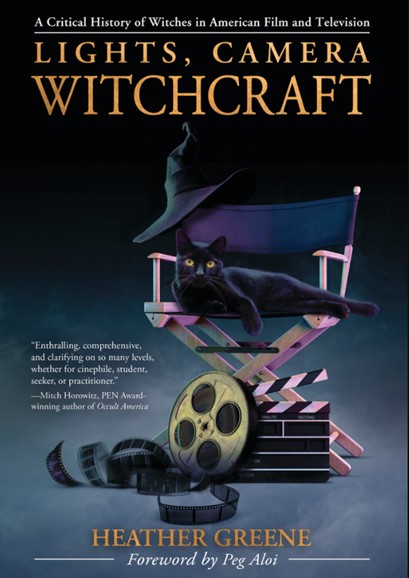
Lights, Camera, Witchcraft: A Critical History of Witches in American Film and Television Heather Greene Llewellyn, October 2021. ISBN 9780738768533
“There’s a little witch in all of us.” – This line from Practical Magic (1998, based on the 1995 novel of the same name) resonated with the 8-year-old me. My mother introduced me to this movie; It was her favourite, and it soon became mine as well. I cannot count the number of times we watched it together.
The ‘90s saw a revival of ‘witchy’ movies (and TV shows) and if you grew up with them as I did, you know how much of an influence they had. There was a shift in the portrayal of witches – from the ‘evil hags’ and ‘wicked witches’ that we were told about in Fairytales, to strong, empowered, beautiful women. That was truly an era of ‘kick-ass’ feminism. From the workplace to the music scene, TV shows and movies – women were at the forefront. It is no wonder then that this continued to this day. People are still very much drawn to Witchcraft. Whether it is something that makes them feel powerful, in control or simply gives them a sense of connectedness and unity; Witchcraft is currently increasing in popularity in the social media sphere.
The portrayal of Witches in the media has always been a subject close to my heart. I had studied the way women were portrayed in works of art, this included their portrayal in Fairytales and how that changed over time. I then wanted to focus my attention to present-day (social) media. As I furthered my research, I was recommended Lights, Camera, Witchcraft: A Critical History of Witches in American Film and Television by Heather Greene.
Heather Greene is a freelance writer, journalist and scholar. As I began reading about her work and ideas, it intrigued me to find that we have almost the exact same interests. Questions such as “In how far the Zeitgeist of each era has affected the portrayal of Witches in the media and vice versa. Has the portrayal of Witches in different media affected how people (mostly women) act in society?”
Lights, Camera, Witchcraft explores the history of Witches in television and media throughout the decades. This book is far from being a simple timeline of what happened when or simply a critical analysis of the witch. Greene explores each era in detail, making connections between the entertainment industry and gender studies, feminism, spirituality etc. It also uses critical theory to explore and critique different elements of the entertainment industry. In how far does the representation of Witches come from society itself on one hand, and in how far does that representation challenge the power structures of the time?
For example, let us look at the 90s. I do not know of a single young woman (in my circle), that grew up in that time that did not get influenced by how these witches were portrayed. They have all grown up with a rebellious streak – challenging the societal structures that are present today.
What sets Greene’s book apart is whereas a lot of different books out there on this topic will focus on the narrative of the witch or how “the witch” is characterized in for example comedies or horror movies, her work studies and focuses solely on “the Witch” as a character. A question she answers is “How did her appearance change depending on the decades and the socio-cultural and political climate?” Another interesting point is that she does not simply jump from decade to decade, but rather looks at the major changes that happened for example in the film industry. What were the big turning points and how did that affect “the Witch”?
Lights, Camera, Witchcraft is definitely destined to become a ‘cult classic’ – one of your go-to books if you are interested in any form of history of witches in American Culture. The book is around five hundred – 500! -pages long, which may seem like a lot but trust me you will binge each chapter just as you would your favourite Netflix show.
Ellfreya, January 2022
Further references:
Heather Greene is a freelance writer, journalist, and editor. She received a B.A. in film at Wesleyan University and an M.A. in film studies from Emory University. She also studied film and theatre at Cornell University and the University of Paris. She has written for Religion News Service, Turner Classic Movies, The Wild Hunt, Circle Magazine, Patheos.com, and other outlets. She is a member of Circle Sanctuary, Covenant of the Goddess, and the Religion Newswriters Association.
Heather Greene on her new book Lights, Camera, Witchcraft 9 Nov 2021 – John Morehead:
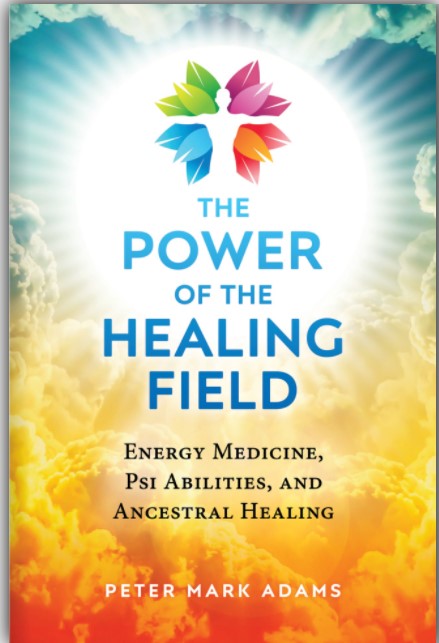
I first became aware of Peter as an author when his wonderful book Mystai: Dancing out the Mysteries of Dionysos was published. See the review link below.
This new book is however of a completely different subject matter and as the title suggests is about healing and his work with subtle energies.
In many respects, it is also about his own journey, together with his partner Kenzie, as they develop their own techniques. It is an invitation to everyone to explore their own path and embark on their own spiritual quest, in what Peter describes, ‘for emotional and spiritual well-being’.
One of the main keys to unfolding personal mysteries is to tap into ‘intuitive knowledge’. Peter, “The ability to feel connected to all life-forms is the key to our continued
personal and spiritual development. It is also the key to our continued survival as a species. Humanity is challenged to move beyond the unconscious demonization of other groups, peoples, and cultures and its indifference to the destruction and pollution of the natural environment.
Around the world, the forces of globalization and industrialization are eroding both biological and cultural diversity. We encounter the same brands, clothing, entertainment, and food products wherever we go. Less commented on is the fact that this uniform consumer culture, which represents a loss of cultural diversity, tends to undermine
perceptual diversity, which is our natural ability to connect to reality using different states of awareness.”
Describing the various therapies such as Meridian Therapy Technique, Emotional Freedom Techniques (EFT), Mind Connection Healing (MCH), Tapas Acupressure Technique (TAT) various case studies are examined.
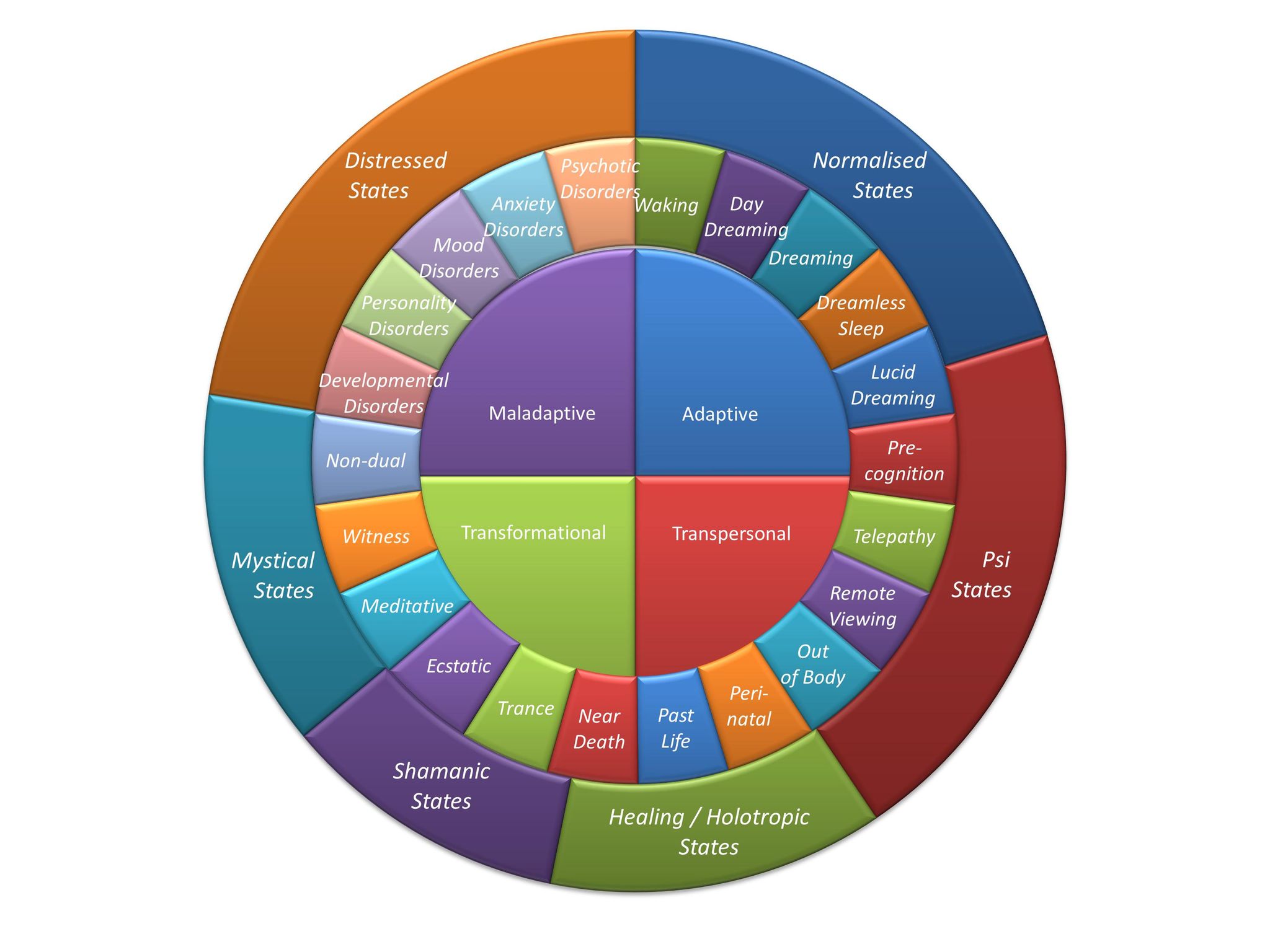
The journey however begins with Peter’s own personal account of how he was healed having been diagnosed with ‘an enlarged liver’. He also describes other personal ‘eureka moments’ and what is commonly called ASC’s Altered states of consciousness. (In some cases now also called ALTERNATE SC’s).
Using case history and testimonials we read of the often vivid recollections. Also and equally important are also the recollections of how healers have worked their mojo. The interaction between healers and patients are in themselves illuminating. As we read, Peter too was impressed at how his ‘Russian healer’ had drawn out the negative energies, or influences, on his liver.
As I read through the book I was reminded of Dion Fortune’s book, The Secrets of Dr. Taverner (1926). As a student of the Western Mystery Tradition, Fortune meant her fiction to be teaching tools. Peter’s book is not fiction and by citing real cases and the therapies utilised to help patients, he has provided us with a wealth of material for us to draw our own conclusions.
As practitioners on our own magical path in chapter 7, Healing through Spirit, Peter describes theThe Range of Meditative Practices. Within this vast range of practices we can discern at least five basic patterns of meditative practice:
Mindfulness meditation consists of maintaining a state of present-moment, non-judgmental awareness.
Single-pointed meditation consists of maintaining focus on a single point.
Compassion meditation is a heart-centred meditation that involves reaching out to all sentient beings and wishing for the alleviation of their suffering.
Contemplation is a form of meditation involving the meditative exploration of a particular topic or question.
Yogic meditation is an advanced practice that involves some combination of meditative stillness, visualization, sound, breathing, and posture and energy work.
However, he points out: “Not all practices are suitable for us. If it doesn’t feel right, listen to yourself and stop; there will be some other approach or technique that is just right for you.”
P 144: Conclusions
• Your personal healing, self-development, or spiritual journey should not be another source of stress in your life. If it’s not joyful, then it’s probably the wrong thing for you.
• Not all facilitators and teachers are compatible with our personal style, no matter how highly recommended they may come. If you do not feel comfortable with someone, listen to yourself and stop; some other person will be more compatible with your personal style.
• Never try to push yourself too hard to obtain a result; everything has its own season.
• Expectations based on other people’s experiences may serve as a great motivation for getting started, but we really need to keep a check on our expectations and forego comparisons with other people. However your experience is, it’s okay, that’s how it was
meant to be.
• Be ready to step beyond the boundaries of the known and the familiar but recognize that each person’s tolerance for the unknown and the unfamiliar is different. What is extreme for one person may be child’s play for another. There is no standard against which you should measure yourself other than how you feel about it.
• Always make your best effort to transform any emotional issues that surface. Do not leave them hanging unresolved, since they will make you feel upset and unbalanced for some time afterwards.
This is excellent advice and places the emphasis on personal choice! As a ‘teaching tool’ this book is a gem. Not to be read and archived, but to be used as a guide frequently .. and put into practice. Highly recommended!
Summary – Peter:
In chapter 1,Healing, Energy, and Consciousness, we set the scene by introducing the main categories and issues that we are going to deal with.
In chapter 2, Psi and Intuitive Knowledge, we look at how each and every one of us has the dynamic potential to access information with which we otherwise have no connection.
In chapter 3,Healing Issues within Our Timeline, we examine experiences from the extremities of our normal life cycle: those arising in the womb, during the birth process, and on the very brink of death. These experiences challenge the conventional understanding of consciousness and the boundaries of selfhood, of when the “I” can be said to exist.
In chapter 4, Healing Issues beyond Our Timeline, we extend our inquiry further, into the continuity of the self and the limits of consciousness, by examining examples of healing involving past lives as well as inherited family and ancestral trauma.
Chapter 5,The Healing Field, summarizes the implications of what we have learned up to now and proposes a model of consciousness and reality that allows us to make sense of these otherwise anomalous experiences.
Chapter 6, Healing on Extended Planes of Existence, expands our horizon yet again, to examine healing on levels of reality beyond the range of our immediate perceptual awareness. We consider the role of entity attachments of varying degrees of sentience that act to affect our health and mental balance.
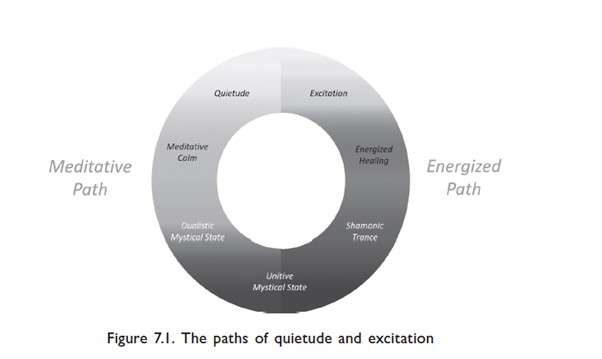
Chapter 7, Healing through Spirit, considers mystical or peak experiences, including the variety of ways in which these are accessed and how they contribute to healing as well as the ethical and spiritual development of humanity. Finally,
Chapter 8,Conclusions, pulls all of this material together to develop an understanding of consciousness, reality, and identity that encompasses all of these phenomena. We then use this model to suggest strategies that will lead to profound levels of healing, increased happiness, and a greater contribution to our spiritual coevolution.
About Peter Mark Adams
Peter Mark Adams is an author, poet and essayist specialising in the ethnography and visuality of ritual, sacred landscape, esotericism, consciousness and healing. As a professional author, Peter’s non-fiction is published by Scarlet Imprint and Inner Traditions; literary prose and poetry largely in Corbel Stone Press’ literary journal Reliquiae: Journal of Nature, Landscape & Mythology Peter and his wife, Kenzie, have shared a healing and personal development practice for more than 20 years where they specialize in energy and meridian therapies, breathwork, and meditation. For more than 45 years, he has practised a range of meditative and energy-based techniques, including Mind Connection Healing, Reiki, EFT, mindfulness, Vivation, and Rebirthing Breathwork.
Contemporary Witchcraft: Foundational Practices for a Magical Life Frances Billinghurst Moon Books, August 2021. Paperback: 264 pages, ISBN 1978-1789046649
I have known Frances for many years, albeit as email/pen-pals. In recent years the contact has been via Facebook. She lives in Australia and is an initiated witch in the Alexandrian Tradition. Contemporary Witchcraftis her latest book.
One does not have to be initiated to worship the Gods, but I agree with Frances when she writes, “When I teach, I like to provide students with a foundation upon which they can build their craft. This is what I feel is missing in a lot of modern books that seem to go straight to spells. While you do not need to cast a circle and honour the Gods in order to create spells and perform magick, if you wish to embrace contemporary witchcraft as your spiritual path though, then these practices are important.”
The first part of her book is a collection of essays concerned with the ‘foundational philosophies’ including a brief history of Modern Witchcraft. She describes Gerald Gardner’s influences, especially his background in Freemasonry. And of course key figures such as Alex & Maxine Sanders and Janet & Stewart Farrar.
The second half of the 20th Century saw a mushrooming of covens, groups who described themselves as ‘Wiccan’. The Western Mysteries, pagan & heathen groups, shamanism – also found eager adherents ‘down under’.
“In Australia, some 6,616 people identified themselves as Wiccan, with a further 15,000 people identified themselves as being “pagan” in the 2016 census.”
In the essay, ‘Contemporary Witchcraft’ Frances describes how Wicca & Witchcraft is evolving. “I am mindful however that some concepts, such as karma, cannot always easily be transposed into contemporary witchcraft philosophy, especially when understood in its original concept. It is also important to note that while these differing evolutions have turned Wicca very much into a personal belief system, as opposed to a dogmatic one when comparing it to more orthodox religions, an increasing number of such evolutions has in fact taken Wicca away from its roots, the very essence or vision that Gardner had. Where you stand personally will depend on whether this is seen as a negative or positive point. I personally see the benefit of having a foot in each camp, which can be seen in what I teach and, hopefully, what comes through in this book.”
Importance of ethics
Frances spends a good deal of time discussing the origin, interpretation and implication of “The Wiccan Rede and the Rede of the Wiccae”.
‘An it harm none, do what you will is attributed to Doreen Valiente, whilst the Rede of the Wiccae finds its origin with Gwen Thompson / Adriana Porter.
Examining the different versions, she also discusses ‘the threefold path’ and other general beliefs which are also influenced by our moral code, or Golden Rule. “In its true meaning as a guideline, the Rede advises the path of least harm is the ethical path, and that we should always think before we act: ‘An it harm none, do what ye will’. We are to take responsibility for the consequences of our actions (as well as our thoughts and deeds), as well as the results of such if we fail to act. The latter is something that can be overlooked. This means that by not acting to prevent harm, we may also be the cause of it though by an act of omission rather than commission.”
One of the things I really liked about this book is that Frances explains the differences between the Northern & Southern hemispheres. It always amazes me when people don’t realise that everything is reversed… so Beltane in the Northern hemisphere is Samhain in the Southern hemisphere, Deosil is Widdershins, and so on.
When explaining the Wheel of the Year for example dates are shown for both hemispheres:
The second part of the book is concerned with The Practice… and the practical.
Having set the scene, the basic background to Wicca as a belief system, Frances then goes on to the building of a solid foundation… the sub-title of the book is of course; ‘Foundational practices for a magical life’.
From exercises in Mediation & Visualisation to The Elements and the Elementals to Insights into Spellcrafting, to name a couple… Frances covers the major practises one needs to be adept in, not only as a Witch but as a Magician too. Once again she takes into account the differences between the hemispheres. Even experienced people can benefit by looking through the various chapters and refreshing their memories.
In the Appendix, there are some important additions such as ‘Basic Circle Casting Ritual’. There is also a ‘Self-blessing /dedication ritual’ (I am so pleased that she hasn’t called it ‘self-initiation…’)
For beginners / seekers and the experienced, this is an excellent book and should be in everyone’s library and used frequently!
Frances Billinghurst is an initiated witch, ritualist and healer. She runs workshops on metaphysics, mythology and the occult. Frances is the author of several books, and she is the editor of Call of the God: An Anthology Exploring the Divine Masculine within Modern Paganism.
When she is not writing, Frances is attempting to replicate the Hanging Gardens of Babylon on her patch of Australian dirt, beading, and journeying between the worlds.
The Last Witches of England: A Tragedy of Sorcery and Superstition John Callow Bloomsbury Academic; 1st edition (7 Oct. 2021) Hardcover, 352 pages, ISBN 9781788314398 Treadwell’s
When I saw that John Callow was giving an online guest lecture at Treadwell’s Bookshop in October 2021, I immediately registered. And what a wonderful talk it was. Christina Harrington interviewed John as he presented his new book The Last Witches of England. After the meeting I ordered a signed copy – see image. I wasn’t disappointed. Arriving carefully wrapped in purple tissue paper and tied with a black ribbon, it already felt like a ‘homage to 3 women’ who as Christina wrote, each were ‘deemed a witch, tried as a witch and died as a witch’.
(Courtesy of Treadwell’s Bookshop)
I was also particularly interested in this book because in 2016 I visited Bideford (Devon, UK) and while I was there I learnt about ‘the last witches of England’.
(Plaque in Bideford ‘In memory of..’ – photo, Morgana 2016)
John’s book is a marvellous overview of not only the fate of three women but also of Bideford which was an important port in the 17th Century, where tobacco in particular was imported and traded.
The story begins:
“On the morning of Thursday 29 June 1682, a magpie came tapping at the window of a prosperous Devon merchant. Within hours, his household had convinced itself that the bird was an emissary of the devil sent by witches to destroy their lives. As the result of these allegations, three old beggar women from Bideford – Temperance Lloyd, Susanna Edwards, and Mary Trembles – came to be identified as witches and a full-scale witch hunt shook the town. A Secretary of State brushed aside their case and condemned them to hang, as the last group of women to be executed for the crime in English history.
Yet, the hatred of their neighbours endured. For Bideford, it was said, remained a place of witches.”
Although Bideford was prosperous in the 1600’s there were many people who were extremely poor, especially women.
Often blamed for misfortune women throughout England were accused of witchcraft. The Lancashire Witches hung in 1612 – 70 years earlier – were also poor and had to beg to survive. By the late 1600’s however there was beginning to be a shift in the awareness of the fraudulent character of many of the accusations against these helpless women. Unfortunately for Temperance Lloyd, Susannah Edwards and Mary Trembles this awareness came too late.
However the trials did impact politicians such as John Conduit who introduced a Bill in the Commons. This resulted in 1736, Parliament passing an Act repealing the laws against witchcraft but imposing fines or imprisonment on people who claimed to be able to use magical powers. The Act was repealed in 1951 by the Fraudulent Mediums Act which in turn was repealed in 2008.
The repeal of the Act in 1951 is often cited as the start of Modern Witchcraft/ Wicca with Gerald Gardner as its’ luminary. Witchcraft was no longer a punishable crime.
John’s book with an in depth study of the social and political conditions surrounding the fate of ‘The last witches’ is extremely valuable for those who are interested in the historical background to Wicca, but also for understanding the recent interest in Witchcraft as a political tool. The archetype ‘Witch’ is still regarded as someone to be scared of. Not to mention the continued use of the word ‘Witch hunt’ in often inappropriate contexts.
John has made copious notes, chapter for chapter and included an extensive bibliography and index. Highly recommended!
John Callow is an Honorary Research Fellow at the University of Suffolk, UK, who has written widely on early modern witchcraft, politics, and popular culture. He is the author of James II: King in Exile and Embracing the Darkness. A Cultural History of Witchcraft, and co-author with Prof. Geoffrey Scarre of Witchcraft and Magic in Sixteenth and Seventeenth Century Europe. He has appeared on the BBC Radio 4 documentary It Must be Witchcraft, and the series on the Salem Witches on the Discovery Channel in the USA. He gave a guest lecture at Treadwell’s on Sunday October 10, 2021.
INTERVIEWS & OTHER REFERENCES
John & Julian Vayne, who lives in Bideford, have worked closely on this book, see Julian’s article here in the Blog of Baphomet.
The Last Witches of England with John Callow (with Julian Vayne)
23 Nov 2021
Faith And Fury: The Last Witches of England with Dr John Callow (from the The Churches Conservation Trust)
Tarotdeck Mythische Godinnen Sage Holloway and Katherine Skaggs A3-boeken, 2021, 78 kaarten. ISBN 978 94 91557 569. € 29,50
Het tarotspel ‘Mythische godinnen’ bestaat uit de Grote Arcana (22 godinnenkaarten) en de Kleine Arcana (56 kaarten in vier ‘kleuren’: zee, wind, aarde en vuur). Sage Holloway en Katherine Skaggs hebben dit tarotspel ontwikkeld met de intentie alle mensen te helpen toegang te krijgen tot hun goddelijke, vrouwelijke essentie. De Godin heeft altijd bestaan in al haar vormen, ongeacht hoe diep ze was begraven, maar ze keert nu terug in al haar verschijningsvormen voor heling van de mensheid.
De krachtige afbeeldingen, symbolen, ‘kleuren’, getallen en heilige geometrie op de kaarten bieden je toegang tot de hogere dimensies van bewustzijn, waar diepzinnige antwoorden op het leven liggen te wachten om te worden begrepen. De godinnen zijn afkomstig uit vele culturen en door met hen te werken, worden wij getransformeerd en met ons onze wereld. De handleiding geeft naast algemene informatie en een uitgebreide uitleg per kaart ook drie godinnenleggingen.
Recensie Serotia Vors:
Prachtige tarotdeck met Godinnen!
Ik werk al jaren met tarotkaarten. Kocht mijn eerste deck, een Rider Waite, op mijn negentiende, en ben sindsdien nog steeds lerend. Want wat mij betreft, ben je nooit uitgeleerd met een divinatiemethode zoals tarot. Ieder nieuw deck geeft nieuwe inzichten, dat maakt mij de afgelopen veertig jaar een verzamelaar van decks, waar ik iedere keer weer iets uit kan halen.
Al doet de naam, Mythische Godinnen, vermoeden dat je met iets verhevens gaat werken, ik vind deze kaarten juist heel aards, het werken met de vrouwelijke archetypen van Moeder Aarde.
De kaarten hebben een fijn formaat, handelbaar, niet te groot, en makkelijk te schudden. Ik schud namelijk graag, wil de kaarten door mijn handen voelen gaan. Het eerste wat ik doe als ik een nieuw deck uitpak, is de afbeeldingen bestuderen. Uiteraard leg ik een vergelijking met het RW-deck, omdat dat mijn kapstok is binnen de tarotleggingen. Maar al snel merkte ik dat vergelijken hier niet opgaat. Ik vind een soortgelijke volgorde in de Grote Arcana terug, maar ik kan ze niet één op één plaatsen. Alle Godinnen die gebruikt zijn in de Grote Arcana staan voor een archetype en kijkend naar de plaats die ze vertegenwoordigen, begrijp ik hun plek zeker wel. Knap gevonden vind ik dit, omdat er duizenden Godinnen zijn, ieder een archetype op zich.
De kleine Arcana verrast mij ook, de vier elementen die ik normaal terugvind in pentakel, kelk, zwaarden en staven, vind ik nu in Aarde, Wind, Vuur en Zee. Kaarten Aas t/m tien en dan gevolgd door de vier hofkaarten in de vorm van: Kind, Maagd, Moeder en Crone, de vier fasen van het vrouwelijke.
De tekeningen van de kaarten zijn overigens prachtig, complimenten aan de kunstenaar.
Ik begin enthousiast te worden vanwege het verschil van indeling van zowel de Grote als de Kleine Arcana, maar is er ook mee te werken? Want ik schaf geen deck aan alleen om de mooie afbeeldingen.
Ik vind in het bijgaande boekje zowel leggingen voor beginners als gevorderden, met duidelijke omschrijvingen. Als eerste triggert de Yoni-legging mij, heel toepasselijk bij zulke vrouwelijke energie kaarten. Als er weinig kaarten zijn in de legging, schud ik de kaarten totdat er eentje uitvalt, en schud ik opnieuw voor de volgende. Bij meerdere kaarten trek ik ze blindelings uit het deck. Ik geef een korte inkijk in wat ik trok.
De situatie zoals die werkelijk is, niet zoals die lijkt te zijn; Zee 3-Compassie
De aanpak die Spirit voorstelt; XVII Ster; Stergodin van de Plejaden
De uitkomst; Zee crone-Wederopstanding
Ik leg mijn eigen kennis even opzij, en kijk naar de omschrijvingen in het boekje.
Ik lees over draken, compassie en de hoge frequentie van liefde, ze zijn er om mij te helen. Als ik naar het hier en nu kijk, is dit wel tegenwoordige tijd, ik heb dit nodig, ik moet helen, ik ben een beetje kapot in deze tijd van hier en nu.
Ook hier gaat het over compassie, haar taak is om mijn hart wakker te maken, en biedt mij vertrouwen en raad zodat ik verder kan. Een mooie kaart, die mij op weg helpt, ik ga deze Godin eens apart neerzetten op mijn altaar, en haar voeden met licht van kaarsen.
Deze kaart verschijnt in krachtige tijd van loslaten en verandering in je leven. Laat haar toe om de weg te wijzen. De tekst geeft inspiratie, en is positief, als dit mijn uitkomst is, dan klaag ik niet, dan komt het wel goed.
Al met al een leuke kleine legging, met alleen de kaarten en de omschrijving van het boekje. Voor mij persoonlijk zit er al een diepere betekenis in, want ik weet waar ze mij raken. Meestal komen dezelfde soort patronen terug op je pad en binnen de leggingen, zeker binnen dezelfde tijdsgeest van de leggingen, welk deck of orakel je ook pakt, alle neuzen staan vaak dezelfde kant op, ieder deck gebruikmakend van zijn eigen kracht en wijsheden.
Het proeft in ieder geval naar meer. Maar eerst ga ik het deck reinigen met de vier elementen, voorzichtig plengen met water en zout (water en aarde element), en bewieroken, (vuur en lucht element), en met een laurierblaadje (ter bescherming) binden met een rood lint, en zo met de komende volle maan op mijn pentakel op het altaar leggen om op te laden. Dan is het eigen, van mij, en wordt er bij iedere legging mijn energie aan toegevoegd, zo leer ik het kennen en er mee werken. Het deck heeft in ieder geval een prachtige energie, zowel in de afbeeldingen en uitleg, een fijne toevoeging aan mijn collectie.
De Kracht van Symbolen
Abe J.van der Veen 2021, 216 p. ISBN 978 9403 642208. € 19,95
Samenvatting:
Dit boek geeft een uitgebreide beschrijving van de krachtigste symbolen uit de Westerse esoterie. Maak kennis met o.a. de Graal, het pentagram, het labyrint, de Groene man en de Sheela na Gig! Voor mij is een symbool een poort of een wegwijzer naar de ‘andere’, geestelijke werkelijkheid. Het verwijst naar een aspect van de diepere dimensie waar wij deel van uit maken. Lees hoe de Graal symbool staat voor de mystieke eenwording van de vier elementen en hoe het salomonszegel het samengaan van het mannelijke en het vrouwelijke symboliseert. Ontdek de Groene man als symbool voor de verbinding tussen mens en natuur, het labyrint als levensweg en de regenboog als weg naar de goddelijke wereld. Al deze symbolen kunnen je helpen bij je levensvragen. Uiteindelijk kunnen zij het inzicht geven hoe je in ideale harmonie kan zijn tussen de microkosmos en de macrokosmos. De taal van symboliek wordt begrijpelijker en komt voor jou tot leven!
Recensie door Serotia Vors
Door de titel van het boek verwachtte ik een boek over symbolen waarin wordt uitgelegd hoe je met de magische kanten van een symbool kan werken en hoe ze gebruikt kunnen worden.
Ondanks dat Abe wel het Hexagram en het Pentagram als symbolen uitlegt, vind ik persoonlijk de rest van het boek vooral verklaringen van symbolieken, en dan krijgt het boek een heel andere meerwaarde voor mij.
Het eerst leuke wat mij opvalt, is dat Abe schrijft zoals hij praat, ik ken hem van zijn prachtige verhalen en zijn voordrachten daarvan. Terwijl ik lees, zie en hoor ik hem praten, op zijn manier en intonatie, geweldig!
Het boek is verdeeld in hoofdstukken, met stuk voor stuk interessante onderwerpen, hij heeft direct vanaf het begin mijn aandacht.
Ik weet best een hoop van symboliek, maar ben blij verrast dat ik veel dingen lees die ik nog niet wist. Ieder onderwerp wordt breed uitgelegd en belicht: vanuit verschillende religies en culturen legt hij de diverse verhalen naast elkaar neer.
Mythologie en geschiedenis kruisen elkaar, maar hij geeft ook zijn eigen bevindingen en meningen.
Bij een aantal hoofdstukken knik ik instemmend mee van herkenning, en bij anderen lees ik vol enthousiasme alle verhalen en hoe dingen in elkaar steken en aan elkaar hangen.
Ik vind het ook prettig om hier en daar wat onderwijs te krijgen over andere religies en andere culturen. Maar ik herken ook veel paganistische invloeden, en heel veel achtergrond en oorsprong. Ik lees over oude gebruiken en wijsheden, ook vanuit Nederland.
Er zijn hoofdstukken die mij tot nadenken aanzetten, er zit ook reflectie in de verhalen, je zou er zelfs een diepgang voor jezelf uit kunnen halen. Want de onderwerpen lenen zich bij uitstek om, via de kanttekeningen aan het einde van ieder hoofdstuk, verder te snuffelen en uit te pluizen.
Abe heeft een breed scala aan symboliek-onderwerpen gekozen voor dit boek, en veel leerzame verhalen daarin verwerkt.
Ik vind hoofdstuk 12, de symboliek van de draak, een erg leuk hoofdstuk om te lezen, mede omdat ik zelf iets heb met deze mythische wezens, en dan ga je ze toch nóg anders bekijken.
Het meest intrigerende voor mij is hoofdstuk 10: Heilige stenen. Ik geloof zelf in de kracht van stenen, en hij maakt mij duidelijk dat die krachten er nu nog steeds zijn.
Kortom, het hele boek is een feest om te lezen, om kennis op te doen, om dingen te bekijken van verschillende kanten. Het boek geeft zoveel handvatten, zodat je die onderwerpen verder kunt uitdiepen als je wilt.
Een aanrader dus voor iemand die op zoek is naar mythologie, geschiedenis en achtergronden.
De Heilige Nachten Mirjam van Donselaar A3-boeken, 2020, 144 p. ISBN: 978 94 91557 46 0. € 24,50
Van oudsher zijn de Heilige Nachten een tijd van transformatie en regeneratie, van dood en nieuw leven. Ze vormen een opmaat naar een nieuwe cyclus voor de zon en de natuur. Onze voorouders leefden nog in diepe verbinding met de natuur en gebruikten deze tijd dan ook om zich terug te trekken in het donker ter voorbereiding op het licht.
Ook nu nog nodigen de Heilige Nachten ons uit om naar binnen te keren, de stilte en het donker in onszelf te betreden voor reflectie en inzichten. Bovendien zijn in de periode van 24 december tot en met Driekoningen de sluiers tussen onze en de andere werelden dun, waardoor je makkelijker contact kunt maken met die andere werelden en degenen die daar verblijven. Dit boek biedt je handvatten om zelf de heilzame uitwerking van het donker te onderzoeken.
Voor elke Heilige Nacht geeft psycholoog en sjamaniste Mirjam van Donselaar oude wijsheid, informatie over soms eeuwenoude tradities, stof tot zelfreflectie en rituele suggesties die je helpen het donker en de geboorte van het licht in jezelf te ervaren. Je leert over de Matrones, midwinterfeesten, rookrituelen, goden en godinnen, de Wereldboom, runen, de bron van oorsprong en meer. Je verbindt je opnieuw met je voorouders, onze wortels, de natuur en met jouw eigen ziel die verbonden is met de bron. Je zult jezelf ervaren als één met alles om je heen, in tijd en ruimte.
Het boek is een ode aan de onzichtbare wereld en zijn bewoners, aan de donkere Moederschoot als bron van nieuw leven, de stilte en de rust. Het is een uitnodiging om vragen te stellen bij de manier waarop je leeft en opnieuw balans te vinden. De Nachten nemen je mee om te ervaren en te voelen. Zo kan ook voor jou deze tijd van het diepste donker van het jaar transformerend uitwerken en krijg je voor alle maanden van het nieuwe jaar een schat aan inzichten.
Recensie door Serotia Vors:
Aangestoken door het enthousiasme van een vriendin, toch op de valreep het boek aangeschaft, zodat ik per 24 december kon instappen in de 12 Heilige Nachten. Ik heb het hele boek ervaren als een warme deken die over mij heen kwam, die mij meenam op mijn reis door de donkere tijd.
Normaal is eind december niet echt mijn favoriete tijd, ik heb persoonlijk niets met kerstdagen en mijn passie voor de tuin ligt even stil.
Maar wat fijn om via dit boek een soort houvast te hebben, en deze donkere tijd op een andere manier te beleven.
Allereerst mijn complimenten over alle informatie op zich, die bij iedere Heilige Nacht te lezen was, daar heb ik best veel van opgestoken. Ook gingen verhalen leven, kregen inhoud, kon ik feiten beter plaatsen in de context waar ze hoorden. Kortom, een eyeopener, en op een fijne leesbare manier geschreven, “verteld” zou ik haast zeggen.
Er stond heel veel -te doen- bij ieder hoofdstuk, maar Mirjam zei al; “Lees het en maak een keuze, want je moet vooral niets moeten in deze periode”.
Mijn keuze was gevallen op de meditaties, en de 5de en 7e avond koos ik een kleine ceremonie en een visualisatie met een rune.
Zo aan het einde van mijn dag en begin van de avond een welkom momentje van even wat eigen-tijd.
Niet te ingewikkeld, niets hoogdravend, gewoon een eenvoudige instructie om even tijd voor jezelf in te bouwen, en een connectie aan te gaan met deze tijd van het jaar.
Na 4 nachten ben ik ook mijn dromen gaan opschrijven, want die waren helder en ’s morgens nog aanwezig in mijn hoofd. Ben benieuwd wat de bijpassende maanden gaan vertellen over deze dromen.
Iedere meditatie heeft mij wel iets van inzicht gebracht, ik heb in ieder geval de verslagen opgeschreven om nog wat verder te kunnen kauwen op sommige.
Ik zit mezelf te bedenken wat ik nu nog meer kan met het boek, want het is te zonde om deze info alleen maar tot de 12 Heilige Nachten te beperken.
Natuurlijk kan je alle dingen die voor nieuwe doelen staan, ook met nieuwe maan doen, en zo zijn er nog wel wat rituelen aan maanfasen te koppelen, of aan situaties waar je met jezelf aan de slag zou kunnen. Ik zie die opties wel.
En ik weet nu al zeker dat het boek volgend jaar ook weer dichtbij ligt, en ik met amuletten en dingen maken aan de slag ga.
De prachtige foto’s zijn een mooie aanvulling die ruimte laten voor eigen invulling en interpretatie.
Vuur, Handboek voor Hoeders Immia Schellevis A3-boeken, 2021, 143 p. ISBN 978 94 91557 576. € 24,50
Informatie van de uitgever:
Al vanaf het begin der tijden is vuur essentieel voor de mens. Vuur speelde niet alleen een belangrijke rol in het dagelijks leven, maar ook bij ceremonies. Onze voorouders geloofden dat ieder gewijd vuur is verbonden met het grote Levensvuur, met het vuur diep in de Aarde en met vuren van alle tijden.
De Oudsten wisten het als het moment daar was om kennis door te geven aan anderen. Zo voelde Immia Schellevis op een bepaald moment dat het haar beurt was om de kennis en ervaring die zij in bijna twintig jaar vuur hoeden had opgedaan, door te geven en wel in de vorm van een boek. “Het was buiten in de derde ronde bij een zweethutceremonie toen de zon bijna onderging en ik besefte dat ik ouder werd.”
In dit handboek voor hoeders (vuurvrouwen en vuurmannen) vertelt zij eerst over de weg die zij heeft afgelegd tot vuurvrouw en vuurpriesteres. Daarna geeft ze veel praktische informatie en adviezen over onder meer gereedschap, kleding, veiligheid, materiaal verzamelen, de taken in het team, het bouwen van een vuur voor een zweethutceremonie of een vuurloop en het verloop van dergelijke ceremonies. Maar bovenal besteedt ze aandacht aan de taal van Vuur. Vuur communiceert met je. Dat vraagt van jou dat je je bewust bent van alles wat er in je is en niet is, en dat je dit laat voelen aan Vuur. Vuur heeft een eigen taal en het verstaan begint bij het contact met bomen, grassen en riet, de seizoenen en windrichtingen – tijdens het verzamelen van materiaal, het kiezen van je gereedschap, de voorbereiding van de ceremonie en het uiteindelijke hoeden van het vuur. Hoe meer je in contact bent met de natuur, Moeder Aarde en het Grote Weten, des te meer je verstaat van de taal van Vuur. Vuur is per definitie niet in de hand te houden, maar je kunt er wel mee samenwerken als je er diep mee in contact bent. Vuur wijst je de weg in wat het nodig heeft als jij je ervoor opent. Vuur laat kennis en wijsheid vrijkomen, geeft je diepe inzichten en antwoorden die je soms niet meteen begrijpt. Vuur verstaan vraagt van je dat je je laat leiden door dat wat groter is dan jij.
Recensie Serotia Vors:
Zoek je innerlijk vuur!
Vuur is mijn element. Ik ben een leeuw van sterrenbeeld en een zomermens pur sang. Ik houd van vuur, warmte, het dansen van de vlammen, en fikkie stoken.
Het boek bestaat uit twee delen. In het eerste deel neemt Immia mij mee, over haar levenspad, vanaf geboorte, en nog daarvoor, tot aan het moment dat ze vuurvrouw en vuurpriesteres is.
Ze vertelt over Ziel en Vuur, en Vonk, als onderdelen van haar Zijn. Immia raakt mij met haar verhaal, ik lees over de hobbels en beren op haar levenspad, ik voel synchroniciteit in onze paden. Het gemis van Vuur op bepaalde momenten, het letterlijk uitgaan van het innerlijk vuur, dat vlammetje binnenin dat jouw passie en levensenergie aanstuurt. Maar ook het zoeken naar datzelfde Vuur, en het zoeken naar datgene dat de Vonk weer terugbrengt en aanwakkert.
Ook haar Ziel zoekt en moet helen, en dat proces is belangrijk binnen het leven zelf, en haast een aparte zoektocht op zich.
Ze raakt mij, tot ontroering zelfs, terwijl ik lees. Ik herken die zoektocht, jezelf en Ziel kwijt zijn, dat gemis, je innerlijke vlam die gedoofd wordt, en het zoeken naar hetgeen die Vonk weer doet leven. Ook ik ben mijn hele leven al bezig met mijn Vuur aan te houden, aan te wakkeren en aan te steken als het gedoofd is. Wat omschrijft Immia mooi wat ik voel van binnen.
Het tweede deel gaat over de praktische kanten van het vuur hoeden. Want elk vuur reageert anders, brandt anders, weersomstandigheden zijn anders, houtsoort is anders. Zij gaat bij het bouwen en hoeden van een vuur echt een verbinding aan ermee, ze communiceert er mee, ze voelt het aan. Ze heeft contact met vuurspirits, voorouders, de deva’s van de plek waar ze bezig is.
Ik lees de verhalen over het Vuur en de Stenen bij het opbouwen van een zweethutritueel, hoe ze zich met Ziel en zaligheid wijdt aan deze religieuze en serieuze taken, en zorgt dat de ceremonie veilig gaat voor omgeving en deelnemers.
Hierbij schopt ze mij 15 jaar terug in het verleden. Mijn eerste kennismaking met rituelen waren zweethutrituelen, de aanwezigheid van de Grote Moeder en de Grote Vader. Ik herken de impact die deze ceremonie op je kan hebben, de warmte kan ik nog voelen, en wat het doet met Ziel en Vuur in je.
Zo leuk om haar kant als vuurvrouw te lezen, wat er eigenlijk allemaal bij komt kijken, en wat het ook met haar doet. Want dat is een andere kant dan die van de deelnemer.
Nou zal ikzelf nooit een vuurvrouw worden die dit soort vuren bouwt voor steenceremonies of vuurpaden, maar ze geeft toch een hoop praktische tips over het bouwen en hoeden van vuur. En ik maak graag vuur, en gebruik het ook met andere rituelen. Met alle tips en haar manier van verbinden kan ik wel wat, dat is mooi. Vuur is belangrijk, het vuur buiten ons, en ons innerlijk Vuur; daar waar het verlangen ligt. Het is een prachtig handboek voor hoeders, maar ook voor iedereen die van Vuur houdt of het binnen in zich weer wil laten branden.
Heks in het groen. Over oerkracht en natuurmagie Lunadea Ankh-Hermes, 2021, 208 p. ISBN 9789020217575. € 22,50
Groen is goed voor ieder mens, ook voor heksen. “Dat zie je heel simpel al terug in het afnemen van ons stressniveau als we ons omringen met bomen en planten, als we buiten zijn. In de natuur komen we thuis.” De natuur is onze basis en wij zijn onderdeel van de natuur. De levenskracht van de natuur is een oerkracht die dus ook in ons zit. “Je bent een heks als je werkt met die energie [van de natuur] en er spirituele betekenis aan geeft, én jezelf daarbij een heks noemt. Je bent een groene heks als de natuur de grootste rol speelt in je magische werk.”
Lunadea geeft voorbeelden van magisch werk met de natuur, en geeft aanwijzingen om je te verbinden met de natuur. Ze beschrijft verbondenheid met de cycli ofwel natuurlijke ritmen, werken met de elementen, landschapsmagie, werken met tradities en volksgebruiken en andere vormen van natuurmagie.
Elk hoofdstuk begint met een persoonlijk verhaal over de ervaringen van Lunadea zelf met de natuur en inzichten die ze daardoor opdeed. Daarna geeft ze handige tips om zelf de verbinding aan te gaan met de natuur, oefeningen die die verbinding makkelijker maken, en zowel concrete suggesties als manieren om je eigen creativiteit te gebruiken. Tussen de tips geeft ze informatie over onderwerpen als animisme en meditatie, symboliek en energie.
De appendix bevat een uitgebreide woordenlijst en correspondenties voor de elementen. Maar neem vooral het advies ter harte om je te blijven verdiepen: “Hoe meer kennis je hebt opgedaan, hoe meer verbanden je kunt leggen en hoe meer betekenis je kunt leggen in je natuurmagie. Maar alles begint met het aanvoelen van de levenskracht en de wil om erover te leren.”
On September 5, 2021 we held our Silver Circle Autumn online gathering. Rhys Chisnall was our first guest speaker:
(From the SC online gathering – September 2021)
There are many ways in which people think about Initiatory Wicca. I was taught that it is as a Mystery and Magical Tradition, but what does this mean?
According to the historian of religion Karen Armstrong, the word mystery come from the Greek word ‘mystírio,’ (μυστήριο) which means ‘to close or to shut the mouth’. This suggest to me that the word mystery means something that can’t be adequately described in everyday language. “Of which we cannot speak we should remain silent”, to paraphrase the philosopher Wittgenstein. However, this still leaves a certain degree of ambiguity, as the word mystery can mean one of three things and this can cause some confusion.
Firstly, it could mean a tradition that keeps things secret. To some extent this is correct, as initiatory Wicca does keep some things secret, although I think private would be a better word to use. There are some techniques that might be potentially dangerous or misused if they were common knowledge, but also there are some rituals that might be spoilt if they were known by a participant beforehand. This is especially true for initiation rituals. A wonderful example was given by Prof. Joseph Campbell, the late great American expert of mythology. He described a ritual where the initiate is taken through a set of ordeals before they enter into the holy of holies. Here the new initiate is told by the elders that they will encounter their God face to face. They are taken into the inner sanctum to the altar, a veil is removed and they find themselves peering into a mirror – they see themselves. Now, if the climax of the rite were known before, the initiate would have not had the transformative experience that the rite was designed to produce. The ritual would have been spoiled – and it is the same in the Craft.
That being said, while there is a strong element of privacy to our rituals, this is not what I mean by mystery tradition.
A second meaning for the word mystery refers to a mystery to be solved. This is something that scientists and detectives are very good at. The scientist or detective comes across the mystery and, using various methods, solves it. The problem is encountered and the solution is derived. Thus, the mysteries of the universe, or the case of the Hound of the Baskervilles, is solved. This is not what I mean by the word mystery in mystery tradition when talking about the Craft.
Rather, it was best summed up by the French Christian existentialist philosopher Gabriel Marcel. He said that mysteries are experiences in which we participate. These experiences, as Armstrong suggested, can’t be explained adequately in everyday language. This is why we need the language of poetry, music, ritual and mythology. These mysteries can be the experience of Nature, of the human life and the Divine. They can be the experience we have when nature makes us feel very small. It can be when we witness a sunrise, a flower open, or experience nature ‘red in tooth and claw.’ It can be the experience of motherhood, giving birth and death. It can be the experience of the encounter with the Great Goddess of Life and the Horned God of Death and Resurrection. These experiences can by numinous in quality, and can be thought of as the ‘lesser mysteries’.
Numinous experiences, a term coined first by theologian Rudolph Otto, are of the ‘other’, and leave us with a profound sense of awe. We feel that something profoundly important has happened to us. The psychologist Carl Jung reckoned that the encounter with the archetypes of the collective unconscious is a numinous one. Certainly, the archetypal experiences of birth, growing up, sex and sexuality, parenthood, sacrifice, old age and death, have can have this numinous quality, and offer a visceral connection to life, onto which we cannot help but place out own meaning. To my mind, this is part of what the myth of the Wheel of the Year does, it helps us to celebrate and make meaning from life’s inevitabilities. It brings us into contact with the mysteries of life. The Craft then celebrates the mysteries of life and death – Goddess and Horned God.
One of the great maxims of the Craft and the Occult in general, was said to have been inscribed on the arch leading to the Delphi Oracles. It said, ‘Know thyself.’ This was also a tenant of Socrates, when Plato has him say, “the unexamined life is not worth living.” This is where the mysteries relate to the Great Work.
The Great Work is where we explore the mystery of ourselves and relate it directly to the Divine. This is not an intellectual exercise, but direct experience, it is a mystical experience- which can be termed the ‘Greater Mysteries.’
In her brilliant book Wicca the Old Religion in the new Millennium, Viviane Crowley explains that experience of the mysteries leads to inner change. This inner change is where the initiate begins the work of transcending the ego (that which we think we are) and to experience and identify with the entire self. Psychologist Carl Jung, who was heavily influenced by the esoteric traditions, argued that there is much more to us than the ego. Once the person has begun to identify with the self (a life-long process he called Individuation) they can then experience and identify the self with the Divine. In Qabbalistic terms, the initiate first reaches the sephiroth of Tiphareth, the centre of the self, or the ‘Higher self’ before relating that self to Kether, the Divine source. Metaphorically the inner sun of the self – unites with the outer sun of the Divine.
Occultist Aleister Crowley agrees when he says “the Great Work is the uniting of opposites. It means uniting the soul with God, of the microcosm with the macrocosm, of the female with the male, of the ego with the non-ego.” The model and language of Carl Jung becomes very useful to describe this kind of inner change. The Initiate has to transcend their ego and expand their consciousness. It means being able to reconcile the polarity within oneself. This means the reconciliation of the ego and the shadow, of the persona and the anima/animus. This is the sacred marriage of Goddess and God that occurs within the Witch. These aspects of ourselves, the dark side and the light, the masculine and the feminine, Goddess and God have to be explored and integrated into our sense of self, so that they constellate around the pivotal point of self. Ego is then transcended or dissolved as the self is experienced as divine. As Joseph Campbell said, “we are all God in our deepest identity”. This is ultimate reconciliation of polarity. The reconciliation of self and the Divine is experienced first of all in invocation of the Gods and then in mystical experience – the Greater Mystery.
Thankfully, the Craft and the Western Mystery Tradition in general provides us with a road map for the Great Work. Unlike the classical mystic who goes from zero to hero, the occultist and Witch takes the more crooked path of the mysteries.
They begin by working on the lower self, connecting us to the world about us and working on our bodies and mind. This is where we begin work with the classical elements. These not only connect us with the world about us, but they also relate to aspects of our being, connecting us to body, emotions, thought and desire/will. The elements are states of being, but also metaphors for ourselves and our faculties.
Once initiated we participate in the wheel of the season, the great metaphor for life. It brings us into connection with the mysteries of life and death through the myth of the Great Mother and Horned God. We start to experience nature and the human as Divine. This is where the initiate begins to start the process of inner change, of transcending the ego, as they encounter the mysteries. However, all this takes work, hence the term, the Great Work. Often the ego rebels or can become inflated.
The underworld initiation, is where the ego needs to experience and understand its own demise. The Initiate learns to transcend ego and expand consciousness further through the process of being invoked upon. Here the witch or occultist expands their consciousness and begins to experience the identification with the divine. To my mind this is very different to trance possessions in Voodoo. Here the person goes into a trance and takes on the personality of one of the Lwa, and acts accordingly. The Gods of the Craft are a different category than Lwa who are spirits based upon Catholic saints.
Instead in invocation, the witch raises their consciousness to a divinity that is already there – always there, and then brings through the power of that divinity for the coven. To quote Herne the Hunter in the TV series Robin of Sherwood, “we can all of us be Gods”. This is the mystery that nature, humanity and the Divine are one. It requires the transcendence of ego and the expansion to consciousness to at least a part of the Divine.
Next comes the Great Rite. Its inner form is the reconciliation of the polarity within the initiate, the reconciliation of male and female, Goddess and God, light and dark, self with the divine, the inner and the outer sun. This leads potentially to mystical experience.
(William James, from the SC online gathering – September 2021)
The philosopher and pioneer psychologist William James described the mystical experience in his book, The Varieties of Religious Experience. It is the experience of ‘at oneness’, the union with the divine, where all contradictions disappear and we are at one with what Paul Tillich called the ‘ground of being’. It is the greater mystery, a profoundly transformative experience – after which life is never the same again. James says that the mystical experience is ineffable in character. It could not be described in everyday language. When taking about the mysteries and the mystical experience, we often have to resort to talking in metaphor. That is why this article is extremely metaphor laden, with its ‘joining of the inner and outer sun’ etc. James said mystical experiences are noetic, meaning that we learn some thing from them. This is not the ‘knowledge that’ or ‘knowledge how’ of the philosopher Gilbert Ryle, but rather the ‘knowledge of’ – what some people call gnosis. These mystical states are transitory, while they seem to last for an eternity to the experiencer, they actually last for seconds. James also said that these experiences are something that happens to you and they can’t be brought on by a direction of will.
All of this is a process. The Great Work does not happen overnight. Indeed, it is a life-long process, and it may well take much longer than that. The Mystical Experience is not the end part of the Great Work and your Craft career. Rather it is the midpoint. From there, as in Joseph Campbell’s monomyth, we have to be able to accommodate the transformative experience into our everyday lives – we must learn to be masters or mistresses of two worlds. We need to make sense of what we have learned and to help bring others to these kinds of profound and transformative experiences. The mysteries were always a call to action.
In my experience the Craft is a mystery and magical tradition. It is part of what is known as the Western Mystery Tradition. As Viviane Crowley says it deals with metaphorical and metaphysical truth, not scientific truth. The mysteries are expressed through the metaphor of ritual and myth, and metaphysically it sees all as one, and one as all. Everything is a unity and all is connected, in that sense like it’s parent Hermeticism, it is deeply mystical. This means we should treat the Craft as an esoteric mystery tradition rather than an exoteric religion. I agree with Jung when he says that religion is the greatest barrier to a religious experience.
In the Craft, as indeed within the Western Mysteries, there is no part that is not of the Gods. When we connect with the Divine within, we connect with the Divine without, as in the Hermetic maxim of “as above, so below and so within, so without”. Rather than seeking to separate the world into different ever decreasing categories, we should be looking for commonality, all is part of one. We should be thinking as Dion Fortune did, that ‘all gods are one god and all goddesses are one goddess, but there is one initiator.’ In the mystery traditions we should be making connections, not separating, looking and identifying with the whole, and not just the separate parts.
Armstrong, K., (2011) The Case for God: What Religion Really means, Vintage,
Crowley, A., (2004), Magick Without Tears, New Falcon Publications,
Crowley, V., (2016), Wicca a Comprehensive Guide to the Old Religion in the Modern World, Elements,
Fortune, D., (2003), The Sea Priestess, Weiser,
James, W., (2004), Varieties of Religious Experience, Digireads
Marcel, G., as cited in Armstrong, K., (2011) The Case for God: What Religion Really means, Vintage.
Silver Circle Autumn online gathering
The following speakers joined us for the Silver Circle Autumn Online Gathering Rhys Chisnall, Melissa Harrington and Thorn Nightwind. Rhys spoke about ‘Wicca, a mystery tradition – The Great Work’. Wicca can be many things, but one way of experiencing it is as a mystery tradition. But what does this mean? In this talk Rhys answered this question and also considered what is meant by the Great Work and how this can be the process that leads to mystical experience…
We use cookies on our website to give you the most relevant experience by remembering your preferences and repeat visits. By clicking “Accept All”, you consent to the use of ALL the cookies. However, you may visit "Cookie Settings" to provide a controlled consent.
This website uses cookies to improve your experience while you navigate through the website. Out of these, the cookies that are categorized as necessary are stored on your browser as they are essential for the working of basic functionalities of the website. We also use third-party cookies that help us analyze and understand how you use this website. These cookies will be stored in your browser only with your consent. You also have the option to opt-out of these cookies. But opting out of some of these cookies may affect your browsing experience.
Necessary cookies are absolutely essential for the website to function properly. These cookies ensure basic functionalities and security features of the website, anonymously.
Cookie
Duur
Beschrijving
cookielawinfo-checkbox-analytics
11 months
This cookie is set by GDPR Cookie Consent plugin. The cookie is used to store the user consent for the cookies in the category "Analytics".
cookielawinfo-checkbox-functional
11 months
The cookie is set by GDPR cookie consent to record the user consent for the cookies in the category "Functional".
cookielawinfo-checkbox-necessary
11 months
This cookie is set by GDPR Cookie Consent plugin. The cookies is used to store the user consent for the cookies in the category "Necessary".
cookielawinfo-checkbox-others
11 months
This cookie is set by GDPR Cookie Consent plugin. The cookie is used to store the user consent for the cookies in the category "Other.
cookielawinfo-checkbox-performance
11 months
This cookie is set by GDPR Cookie Consent plugin. The cookie is used to store the user consent for the cookies in the category "Performance".
viewed_cookie_policy
11 months
The cookie is set by the GDPR Cookie Consent plugin and is used to store whether or not user has consented to the use of cookies. It does not store any personal data.
Functional cookies help to perform certain functionalities like sharing the content of the website on social media platforms, collect feedbacks, and other third-party features.
Performance cookies are used to understand and analyze the key performance indexes of the website which helps in delivering a better user experience for the visitors.
Analytical cookies are used to understand how visitors interact with the website. These cookies help provide information on metrics the number of visitors, bounce rate, traffic source, etc.
Advertisement cookies are used to provide visitors with relevant ads and marketing campaigns. These cookies track visitors across websites and collect information to provide customized ads.
 “There’s a little witch in all of us.” – This line from Practical Magic (1998, based on the 1995 novel of the same name) resonated with the 8-year-old me. My mother introduced me to this movie; It was her favourite, and it soon became mine as well. I cannot count the number of times we watched it together.