Recensie: Mei

Mei. De bloeimaand in geschiedenis, volksleven en literatuur
Aat van Gilst
Aspekt, 2012. 247 p. ISBN 978-94-6153-099-8. € 19,95.

Mei

Aat van Gilst heeft al meer boeken geschreven die voor onze lezers interessant zijn. Wijze vrouwen en godinnen hebben we al eens besproken, in de papieren editie Autumn 2001, maar hij schreef onder andere ook Midzomer in Europa : het feest van de zomerzonnewende (2006, 9789059114739), Het Paasfeest in geschiedenis en volksgebruiken (2012, ISBN 9789055123759), Van Sint Margriet tot Sint Katrien : oogst en herfst in ons volksleven (ISBN: 9789461532169) en Midwinterse tradities (2014, ISBN 9789461535269).

Ook dit boek over de meimaand biedt weer een uitgebreid overzicht van tradities en gebruiken. Sommige daarvan bestaan nog steeds. Andere heeft Van Gilst aan de hand van oude publicaties vastgelegd. Het boek is opgedeeld in zestien hoofdstukken die elk een thema belichten: mei als Bloeimaand/Bloemenmaand; Walpurgisnacht; Dauw en water; Meivuren; Meitakken; Moederdag; Hemelvaart en Pinksteren; Luilak en klisseboer; enz.

Speciale hoofdstukken zijn gewijd aan liederen en gedichten en aan populaire liedjes over de meimaand. Maar ook op de pagina’s over de thema’s staan liedjes. Bijvoorbeeld in het hoofdstuk over de Meifluitjes en in dat over de Meibruidjes en pinksterbloemen.

Heksen komen aan bod in het hoofdstuk over de Walpurgisnacht. Enerzijds zegt Van Gilst dat het vrolijke heidense voorjaarsfeest uit voor- of vroeghistorische tijden onder kerkelijke invloed werd omgeduid tot een feest van door de duivel aangevoerde heksen en boze geesten. De heksensamenkomsten zouden zich afspelen op de heuvels en bergen van de cultische plechtigheden uit voorchristelijke tijd. Daar zouden bijvoorbeeld riten hebben plaatsgevonden waarbij (mei)vuren werden ontstoken die later ‘heksenvuren’ werden genoemd. “Riten die de strijd tussen winter en zomer moesten uitbeelden, kunnen ten grondslag aan deze gebruiken hebben gelegen.” Heksen waren de wijze vrouwen die na de kerstening zijn gedemoniseerd. Dat het rijden van heksen op een bezemsteel en het verjagen van heksen uit de heidense voortijd stamt, noemt Van Gilst niet aannemelijk. Dat stamt waarschijnlijk een christelijke oorsprong van het geloof aan toverende heksen, aan bijgeloof.

Hedendaagse heksen vragen zich af wat de oorsprong is van de meiboom. “Het plaatsen van een meiboom, wel opgevat als de grootste levensroede, wordt algemeen beschouwd als een vegetatierite, ‘een plechtige handeling, die de groeikracht van de natuur moest overbrengen naar een centrale plaats in de menselijke samenleving.’ [Noot naar het Folkloristisch woordenboek van Nederland en Vlaams België van K. ter Laan uit 1949] … De meiboom, altijd een rechte boom, zal een overblijfsel zijn van de oeroude boomcultus: in de Oudheid richtte men voor goden als Osiris, Helios en Dionysos (versierde) bomen op. In het oude India werd ’s morgens een boom geveld, de zogenaamde Indra-boom, wat met plechtigheden gepaard ging; daarna werd hij naar de stad gebracht, met fallussen, vaantjes en zinnebeelden versierd en opgericht. De versiering van de meiboom in Europa vertoont vaak zinnebeelden of motieven die we ook aantreffen in de volkskunst. … Het oudste schriftelijke gegeven over de meiboom stamt uit omstreeks 1225.”

Zoals in zijn andere boeken geeft ook in Mei de auteur een uitgebreide literatuurlijst en het boek wordt afgesloten met een register.

Geplaatst in Boeken | Getagged , , | Reacties uitgeschakeld voor Recensie: Mei

Recensie: ABC van Meditatie

ABC van Meditatie. Mediteren, letterlijk mindblowing!
Mark Teijgeler
Aerial, 2015. 271 p. ISBN 978-94-026-1080-2. € 19,95

ABC_van_meditatie

Wat dit boek niet is, is een snelcursus mediteren.*
In traditionele oosterse meditatieve stromingen is het gebruikelijk om eerst een tijd te oefenen en de aanwijzingen van de leraar zonder nadere uitleg of onderbouwing op te volgen. In het Westen vraagt men eerder naar het ‘waarom’ bij elke aanwijzing. Zowel de oosterse als de westerse insteek heeft zijn voordelen. Dit boek wil de lezer met de instructies en uitleg op weg helpen en motivatie en vertrouwen geven om door te zetten. ‘Het echte weten’ en de grote inzichten, veranderingen en aha-erlebnissen komen vooral voort uit eigen directe ervaring en observaties. Dus uit het doen van meditatie en niet uit het lezen erover. De volgende stap is dan ook om regelmatig en met veel plezier te gaan mediteren.

In het boek worden drie wegen bewandeld. Allereerst is het doel de lezer een goede start te geven en kennis te laten maken met meditatie. En voor wie al ervaring heeft om de meditatiebeoefening te verdiepen. Het tweede doel is om een brug te slaan tussen meditatie en het dagelijks leven. Ten derde staan door het boek heen vele verwijzingen naar de essentie en de subtielere dimensies van het meditatieve gedachtengoed. Het gebruik van meditatie voor zelfonderzoek, in plaats van voor zelfontwikkeling, komt in andere moderne meditatiestromingen nauwelijks aan bod. Meditatie is echter niet een handig trucje of een prettige work-out. Het is niet alleen een middel om problemen of ongemakken aan te kunnen pakken, maar om deze te kunnen overstijgen.

De structuur van het boek is zo helder als de aanwijzingen die Teijgeler geeft. Het eerste deel, Leren mediteren, geeft antwoord op de vraag: Wat is meditatie. Het beschrijft de drie basisprincipes van meditatie, drie meditatievalkuilen en welke verschillende vormen van meditatie er bestaan. Ook vertelt het waarom meditatie werkt en wat meditatie anders maakt, en ruimt het een aantal misverstanden op. Het gaat in op meditatiehoudingen en -technieken en vertelt wat te doen bij moeilijkheden. In het tweede en derde deel wordt dieper ingegaan op deze onderwerpen om de meditatie te verdiepen. Het is een dik boek, met veel tekst, maar het is goed leesbaar en geeft echt duidelijke uitleg en richtlijnen.

De schrijver heeft zich jarenlang op de stroom van het leven laten meesleuren. In 2001 kreeg hij RSI-klachten en ging yogalessen volgen en hij maakte opnieuw kennis met meditatie. Drie jaar later richtte hij met drie vrienden het bedrijf ABC van Meditatie op. Ook is hij sinds 2012 regelmatig actief als corporate athlete trainer.

* Wie daar behoefte aan heeft, kan een handleiding vinden op internet: One-Moment Meditation. Jana.

Geplaatst in Boeken | Getagged , | Reacties uitgeschakeld voor Recensie: ABC van Meditatie

Review: Rún & Galdrakver

Rún, magic grimoire
Strandagaldur ses – Galdrasýning á Ströndum, Hólmavik 2014. ISBN 978-9979-9584-7-5
133 p. KR 3.600 (ca. € 25)

Galdrakver (Book of Magic) Lbs 143, 8vo
Landsbókasafn Íslands – Háskólabóksafn, Reykjavik 2004; 2nd ed. 2010. ISBN 9979-800-40-2 (I-II)
64 & 215 p. KR 6.950 (ca. € 48)

run-galdrakver

Unless one succeeds in raising the dead to interview them, it is impossible to ascertain how much credence writers, compilers or copyists of grimoires* themselves attached to the magical symbols, charms and cures they mentioned. It has been said that the books may have been written as fiction, and are best to be considered as a literary genre. According to that view, a grimoire was meant to amaze and amuse, more or less like today’s magic shows or fantasy movies, or to give enjoyable shivers like a horror story. Or perhaps to let people dream of a different reality where everything is possible, some land of Cockaigne. Not so much as a serious manual.

One possibility doesn’t exclude the other: different people have different ideas and needs. Just like today, some may have taken the magic seriously and others less so, while many will have been not too strict in what they believed or didn’t believe, and were quite happy to give things a try if it wasn’t too creepy or too much of an effort.

The Museum of Icelandic Sorcery & Witchcraft certainly knows how to put the horror potential of traditional magic to good use for entertainment and publicity. Their ‘necropants’ are famous all over the world. But they also provide information on Icelandic history and folklore (although most of it in Icelandic), both as articles on the website and books from the webshop. I was especially interested in their grimoires, and ordered Rún, magic grimoire and Galdrakver (Book of Magic).

Rún starts with a collection of magical alphabets, followed by ‘staves’, or symbols to be carved in wood or drawn otherwise. For example: “A stave to protect sheep: To prevent the tide flooding your sheep, carve this stave on the horn of the oldest ram.” There is an instruction to make a ‘Witch riding stave’, and one to make a ‘Looking Glass’ in which you can see all over the world. The book also gives some untranslatable riddles, and advice about herbs and stones.

The main part of Rún is a facsimile reproduction of a handwritten grimoire. In the back of the book an English translation is given, and some background information. The manuscript was written in 1928 for Magnús Stindgrímsson, a farmer who was also an active community member and one of the founders of his local library. Apparently his 14-year old daughter Borghildur copied it from an unknown source. A comparable manuscript in the National Library in Reykjavik (Lbs 4375 4to) states to be copied from a manuscript from the year 1676.

In comparison with what I seem to remember from similar texts, what strikes me is that when something has to be written in blood, the Icelandic sorcerer/ess as a rule does not use the blood of a mole or a white dove or other animal, but his or her own blood, “from the life vein of your left hand” or “from the small toe of your left foot, the little finger of the right hand, and the right breast.” (Still, not all Icelandic magic is suitable for vegans.)

Galdrakver consists of two small books (14 x 8,5 cm) in a case. The first volume is a facsimile of a 17th century handwritten book of magic. The second volume gives a literal transcription of the text, and translations in modern Icelandic, Danish, English and German. This book contains so-called epistles, symbols, spells and prayers that were supposed to give some kind of protection, and sometimes included a story of how those powerful words and symbols came to be known to mankind.

There are for instance three drawings of three connected circles, “which God sent with one of his angels to Pope Leo, which he was to bring to King Charlemagne for protection against his enemies”. Of every one of the nine circles is specified what it is good for, or from what it protects, e.g. “from the rage of enemies, so that when they lay eyes upon thee their minds are seized with such terror that they become powerless and collapse” (3rd circle of the first set).

I noticed that the same symbols are given twice in Rún, first as “Charlemagne’s aid circles” but without specifying the different kinds of aid, and later on, the drawings barely recognizable, as “The circles of Charlemagne: first ‘helm’, second ‘rune’, third ‘rose’. These are highly powerful protective staves against everything evil, both on land and sea.”

Books like these are fascinating reading material and deserve to be studied. They give an impression of the hardships and fears of the people who wrote or used them. A comparison between books from different times and/or places could provide insight in how information was passed on without the help of mass reproduction devices like the printing press, photocopier or computer. But reading grimoires can be just good fun, too.

* I use the word ‘grimoire’ here in the sense of the Dutch ‘toverboek’, meaning any book that gives magical instructions, recipes, symbols, incantations etc., regardless of the ‘colour’ of the magic or the social class of the intended readers.

Geplaatst in Boeken, English articles | Getagged | Reacties uitgeschakeld voor Review: Rún & Galdrakver

“Het gaat eigenlijk om verbinding”

Een gesprek met Bo

Silver Circle viert een jubileum: 35 jaar Silver Circle. Uw redacteur bezoekt een aantal mensen die een groot deel van die periode hebben meegemaakt. Bo de Zwaan is begonnen bij de Dianics, een stroming binnen de wicca die vrouwen en de Godin centraal stellen. Later werd ze actief in gemengde groepen, waar ze natuurlijk wel haar Dianic-roots meebrengt. Ik ken haar van een subtiel gestelde mini-advertentie in de Volkskrant eind jaren ’80, waarmee ze contact zocht met vrouwen die zich met de Godin bezighielden.

Jana: Hoe noem je waar je je mee bezighoudt: wicca, hekserij of een andere naam?

Bo: Wicca. Ik ben een wiccapriesteres.

Jana: Wat was je motivatie om ermee te beginnen, wat trok je erin aan?

Bo: De trigger was het boek van Marion Bradley, ‘Nevelen van Avalon’. Dat maakte bij mij veel meer los dan enig ander boek. Het was niet alleen interessant omdat het uit vrouwelijk perspectief geschreven was, maar ook omdat ik bij sommige dingen voelde: dat heb ik al meegemaakt, ik ben eerder op dat punt geweest, was zelf priesteres. En dat heeft bij mij iets wakker gemaakt. Ik ben begonnen met thuis ritueeltjes te doen, vanuit mijn gevoel. En ik ben op zoek gegaan. In Amsterdam vond ik een vrouwengroep, in een ruimte die Avalon heette, die maanrituelen deed. Dat was als thuiskomen. Aan de ene kant was het heel nieuw; aan de andere kant was het: ‘o ja, zo is het, dit ken ik. Dit heb ik al veel vaker gedaan’. Jammer was dat die plek verdween. Die groep hield op. Daarna kwam ik terecht bij een groepje van vrouwen die rituelen deden op een heel mooi begraafplaatsje, ook in Amsterdam. Dat was waarschijnlijk nadat ik die advertentie in de Volkskrant had gezet waarop jij gereageerd had. Francis en Klara waren daarbij. Met die vrouwengroep, op die hele mooie plek, begonnen we regelmatig rituelen te vieren.

Ik ben heel bewust in een Dianic-groep begonnen. Het hele vrouwelijke stuk van mij was erg ondergesneeuwd en voordat ik in een gemengde groep zou werken, moest ik eerst mijn kracht als als vrouw naar boven halen, moest ik weten waar ik als vrouw stond. Pas daarna zou ik ook wat te geven hebben in gemengde groepen. Dat ik later in gemengde groepen wilde werken, wist ik ook altijd al. Dat is niet zo bij elke Dianic. Veel vrouwen binnen de Dianics kiezen ervoor om exclusief met vrouwen te blijven werken.

Jana: Je kunt er inderdaad wat in vinden als vrouw?

Bo: Laat ik voor mezelf spreken. Ik ben erdoor in mijn kracht gaan staan als vrouw. Veel stukken van mijn persoonlijkheid waren niet ontwikkeld, die werden door wat ik had meegemaakt of door socialisatie tegengehouden. Niet wat de maatschappij doorgaans als vrouwelijk betitelt, maar wat ik van binnen uit voel wat die vrouwelijkheid is voor mij: het ontwikkelen en waarderen van mijn intuïtie, het ontdekken van mijn lichaam en mijn seksualiteit. Dat dat iets goddelijks is, niet iets om me voor te schamen. Die stukken kon ik binnen de Dianic wicca ontwikkelen, waardoor ik me weer goed voelde. Er helemaal te mogen staan als vrouw, volwaardig.
Het heeft met heelheid te maken. Ik werd daar weer een heel persoon. Dat vrouwelijke dat vaak afgesneden wordt, voor meisjes, kon ik tot ontplooiing brengen. En daardoor werd ik meer heel en door die heelheid kwam ik meer in contact met de mensen om me heen, en met de aarde. Daardoor kwam er ook meer verbinding.

Aan het eind van het interview komt ze er nog op terug.

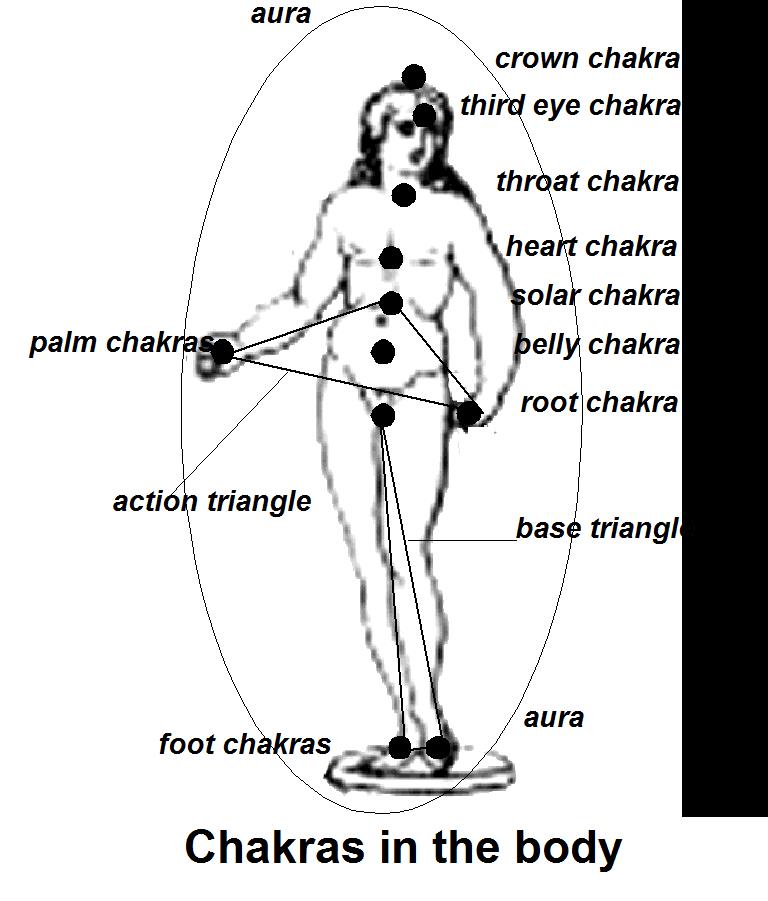
Bo: Je mag best weten dat ik als kind misbruikt ben. Daardoor zat het hier, bij de onderste chakra’s, allemaal op slot. Dan is het ook lastig om de aarde te voelen, je eigen seksualiteit en hoe alles verbonden is. Want mijn hart was wel open, maar het was heel moeilijk om te zakken, om stevig te staan, om gegrond te zijn in wie ik ben. Toen dat allemaal weer ging stromen, kon ik ook letterlijk die verbinding voelen met de aarde. Van daaruit komt dan die kracht. En die waardering voor seksualiteit, als vrouw. De gevoelens vanuit je buik, je intuïtie, dat hele stuk is daar bij mij geheeld. En tóen was ik pas klaar om in gemengde groepen te werken. Want toen had ik ook wat te bieden. Toen kon ik daar ook staan als vrouw. Natuurlijk valt er dan nog heel veel te groeien en te ontwikkelen, maar dat was anders dan in het begin.
Het fijne van die periode was dat we heel veel gewoon déden. Het is fijn om eerst te doen en dan pas te lezen. Want dan weet je wat van jou komt. Als je al zoveel gelezen hebt, blokkeer je. Dan is er zoveel informatie die ervóór staat. Dan is het moeilijk nog te onderscheiden wat nou van jou en van binnenuit komt en wat je gelezen hebt. Als ik later leerlingen had, liet ik ze ook eerst doen en daarna pas lezen. Dan kun je vergelijken hoe anderen het gevoeld hebben en hoe zich dat verhoudt tot wat jij voelt daarover.

Jana: De aarde? Wat versta jij onder contact met de aarde?

Bo: Ik zie de aarde, Moeder Aarde, als een levend wezen, een levend organisme. Door stukken in mezelf te helen, kreeg ik ook meer contact met haar. Doordat er dingen in mezelf begonnen te stromen, doordat ik meer heelheid in mezelf kon vinden, kreeg ik als vanzelf meer verbinding met de aarde, met het geheel. Hoe wij verbonden zijn met de aarde, dat Zij een levend wezen is, begon ik meer te ervaren van binnenuit.
Jana: Heeft dat met het priesterschap te maken?
Bo: Ja, voor mij wel. De aarde voedt ons, mensen, voor mij heeft dat een diepe verbinding. De Aarde is ook voor mij de Godin. En als ik mijn rituelen doe, of bid, of wat dan ook, dan verbind ik me eerst met haar. Net zoals ik me met de kosmos verbind.

Jana: Doe je dat bij voorkeur buiten?

Bo: Ja. Ik vind het heel moeilijk om rituelen binnen te doen. Ik sta het liefste echt buiten, met mijn blote voeten in de modder en onder de sterren. Zodat ik de wind kan voelen en het vuur kan voelen en de aarde onder mijn voeten. Voor mij is dat heel belangrijk. Ik zou het heel moeilijk vinden om de lente te vieren binnenshuis. Dat is iets ondenkbaars voor mij. Want het gaat juist om het contact, om de verbinding.

Jana: Maar je bent zelf ook onderdeel van die natuur. Voel je die cycli dan niet in jezelf?

Bo: Ja, natuurlijk voel je ook die cycli in jezelf, en die verbind je met wat er buiten gebeurt. Dat is ook heel erg de manier waarop ik werk: zo buiten, zo binnen. Elk seizoen, elke periode, kijk ik wat er buiten gebeurt met de aarde, en wat er van binnen met mij gebeurt en hoe zich dat tot elkaar verhoudt. Ik kijk eigenlijk altijd eerst binnen en dan naar buiten. Niet alleen met de seizoenen, maar ook met de manen, met alle energieën die er spelen. Ik maak ook gebruik van die energie, om met die stroom mee te gaan. Als je je verbindt met de aarde, krijg je een flow. En in de flow gaan dingen makkelijker dan als je niet in die flow zit. Als je iets wilt loslaten als het net nieuwe maan is, dat gaat een stuk moeilijker dan met afnemende maan. Dat gaat eigenlijk automatisch nu. Ik denk daar niet veel meer over na, dat is vanzelfsprekend. Daarom heb ik moeite om er woorden voor te vinden.

Jana: Je hebt dus gevonden wat je in wicca zocht, en daarom ben je er nog steeds mee bezig?

Bo: Ik weet niet of ik in het begin een duidelijk doel had over wat ik erin zocht. Ik herkende het. Toen ik voor het eerst een ritueel deed, was dat als thuiskomen. Van daaruit ben ik verder gegaan en verder gegroeid. Steeds weer opnieuw kijkende wat ik nodig had om te groeien als mens, als priesteres. Ik had nooit één doel voor ogen, zo van ‘als ik dat heb bereikt dan…’. Het is een constant groeiproces. Er zijn wel mijlpalen. Op een gegeven moment heb ik begrepen dat ik zelf de verantwoordelijkheid draag voor wat er in mijn leven gebeurt. In het begin schop je daar heel erg tegen aan en denk je ook dat mensen je van alles aandoen. Ik wist wel dat zodra ik compleet verantwoording zou dragen voor wat er in mijn leven gebeurt, dat dan de volgende stap komt. En zo komt er steeds weer een stap. Daar is geen einde aan. Dus heb ik gevonden wat ik heb gezocht? Er is niets buiten jezelf. Alles bestaat in mezelf. De Godin is in mij. Ik besef dat nu op een dieper niveau dan destijds. Bij de Dianics zeiden we dat al wel: “Ik ben de Godin. Jij bent de Godin.” Ja, we zijn allemaal een stukje van de schepping. Maar nu besef ik veel meer dat we eigenlijk goddelijke wezens zijn, en hoezeer we verbonden zijn met God, Godin, met alles dat is. Ik heb God / de Godin in mezelf gevonden. Maar tevoren had ik niet bedacht dat ik daarheen wilde.

Jana: Je hebt afgelopen jaren een hele moeilijke periode doorgemaakt. Heb je steun aan wicca als het moeilijk gaat, kan je erop terugvallen?

Bo: Ja, ik heb er zeker steun aangehad. Doordat wicca mij handvaten biedt om verbinding te maken met het goddelijke, en die verbinding open te houden, daar heb ik heel veel kracht door gehad. En gaandeweg ook antwoorden door gekregen. Maar wicca is ook een religie die je met elkaar beleeft; ook van mensen binnen de wicca heb ik heel veel steun en liefde gehad. En soms waren het de technieken. Als je het heel erg moeilijk hebt met iets, dan helpt het om je dan eerst maar eens te gronden of te gaan mediteren. Dat zijn allemaal dingen die ik binnen de wicca geleerd heb. Het is de open lijn met de God en Godin, het zijn de mensen en het zijn de technieken. Aan dat alles heb ik steun gehad. Ik heb me af en toe heel gedragen gevoeld. Vooral als dingen echt samenkwamen, wat we noemen synchroniciteit. Ja dus.
[Stilte].
Dat is het. Ik weet niet of je meer wilt weten?

Jana: Mijn ouders hebben me katholiek opgevoed. Ik heb zelf de kerk opgezegd en voor hun was de voornaamste vraag: ‘Maar als je al je schepen achter je verbrandt en je krijgt het moeilijk, waar moet je dan op terugvallen?’ En dan dacht ik altijd: wicca is dat voor mij. Maar ik heb dat nooit echt hoeven testen, heb het nooit zo moeilijk gehad dat ik die steun nodig had.

Bo: Nou kijk, wicca is een religie die inleidt tot priesterschap, die ook opleidt om zelf die verbinding met het goddelijke te maken. In die zin ben ik nooit alleen geweest. Die verbinding met dat goddelijke is wat mij heel erg gesteund heeft. Dat ik die zelf kan maken.

Jana: Is dat de essentie van wicca?

Bo: Ja, dat is voor mij de essentie van wicca, het contact met het goddelijke. Dat pad te bewandelen waarvoor ik hier ben gekomen: op aarde, als mens. Al het andere is vorm, die het makkelijker grijpbaar voor ons maakt. Handvaten om dat contact ook werkelijk te leggen. Op een gegeven moment heb je de vorm steeds minder nodig.

Jana: Er zijn nogal wat stromingen in wicca. Jij kent veel mensen uit allerlei stromingen. Kun je iets vertellen over de verschillen of overeenkomsten daartussen?

Bo: Ik denk dat de tijd dat we het over verschillen hadden langzamerhand voorbij is. We hebben het nu veel meer over overeenkomsten en de verbinding die we met elkaar maken. Als je verschillen benoemt, ben je al snel geneigd om te voor-oordelen. Je kunt over een traditie alleen iets zeggen door het van binnenuit mee te maken. Ik denk ook dat individuele covens in tradities een verschillende beleving van hun traditie hebben. Alles draagt bij aan het grote geheel dat de wicca-familie is die we zijn. Ik heb het gevoel dat we steeds meer naar elkaar toegroeien. Dat er in de kern niet zo veel verschillen zijn, dat het één geheel is. Dat het eigenlijk gaat om verbinding met het goddelijke, met de aarde, met de kosmos en met elkaar. Ik vind het verschil in tradities dan ook niet zo interessant. Het een past misschien meer bij je dan het ander. Het gaat uiteindelijk om de mensen die je erin treft en de verbinding die je met die mensen voelt. En de diepte die je daarin voelt, kan mee bepalen in welke traditie je terecht komt.

Jana: Een van mijn vragen was hoe wicca is veranderd in de loop der jaren, maar dat zeg je eigenlijk al.

Bo: Er is veel veranderd in de loop der jaren. Wicca is een heel organische religie. Wij veranderen en wicca verandert daarin mee. Toen ik vanuit de Dianics voor het eerst in contact kwam met gemengde groepen, Gardnerians, Alexandrians, was het voor mij bijna een cultuurshock. Ik was gewend te werken vanuit mijn buik. Eerst de dingen doen en daarna pas erover te lezen. Dat bleef erg dicht bij mezelf. Bij anderen bleken er af en toe best wel strakke regels te zijn als ze samenwerkten. Een klein voorbeeld: als we samen in de cirkel stonden, dat moest dan om en om. [Afwisselend man / vrouw / man / vrouw. J.] Als je dan als een groepje Dianics er tussen stond, was alles in rep en roer. Dan moest alles worden omgegooid. Dan gingen er steeds meer mensen tussen ons staan en wij wilden dat niet. (Lachend) We deden het ook wel met opzet. We vonden het wel komisch dat iedereen daar zo ontzettend gespannen op reageerde. Maar ’s avonds, als we dan allemaal samen waren, zag ik dan wel de vrije zielen bij iedereen. Mensen waren op zoek en vanaf die jaren kwam er wel iets op gang. Mensen gingen wel vragen: ‘Waarom? Waarom doen we het zo, waarom is het zo?’ en ‘Is dit ook goed voor mij?’ Sommige covens hebben een hiërarchische structuur. Ik begrijp dat opleidingscovens een vastere structuur hebben, dat het daar zinvol voor kan zijn. Maar ik zie steeds meer dat elders de structuren meer losgelaten worden. Dat er veel mensen zijn die al langere tijd samenwerken, waar niet meer de hogepriester en hogepriesteres de touwtjes in handen hebben maar mensen om de beurt dingen voorbereiden, dingen doen.

Jana: Het is heel Dianic-achtig om om de beurt dingen te doen? Dat hebben de anderen dan afgekeken?

Bo: De Dianics hebben iets gebracht in de gemeenschap. Als wij een groter ritueel organiseerden, dan lieten we iedereen meedenken, mee voelen, meedoen. Iedereen had een taak in een ritueel en iedereen was betrokken bij de voorbereiding. Het was veel meer iets van allemaal samen, dat is wat we ingebracht hebben. Dat werd overgenomen. Het is niet meer ‘ik stond erbij en keek ernaar en wat gebeurt er in godsnaam in het midden?’ Iedereen kan daar zijn of haar sterkte inbrengen.

Dat om-en-om staan had te maken met polariteit, maar ik heb het gevoel dat er in bredere wiccakringen nu meer het bewustzijn is dat die polariteit in één persoon kan zitten. Als Dianic wist ik dat al, dat je heel kunt zijn in jezelf. In het begin was het ondenkbaar dat in een ritueel de Godin ‘gedragen’ werd door een man. Dat heb ik heel langzaam zien veranderen en dat vind ik heel mooi. Want als je dat deel van jezelf moet ontkennen, dan ben je nog steeds niet heel. Dat stuk van je kan dan nog geen verbinding maken met God, Godin, met alles dat is. Dan sluit je een groot stuk van jezelf af. Wij hebben allemaal een mannelijk en een vrouwelijk deel in onszelf. Er is veel meer ruimte gekomen voor dat concept, dat idee. Dit zijn twee van de dingen die veranderd zijn, waaraan je merkt dat er iets aan het verschuiven is. En men vraagt zich nu ook af: hoe doen we de dingen en waarom, en klopt dat voor ons, voor mij, voor onze coven? In het begin was het veel meer van ‘zo hoort het’. De mensen in de verschillende tradities zoeken ook meer naar verbinding. Niet naar wat ons scheidt, maar naar wat ons verbindt. Het gaat niet meer om wie er gelijk heeft, maar om van elkaar te zien dat er geen juiste manier is, maar hoe ieder het doet, dat dat valide is, dat alles juist is voor degene die het doet, en dat we van elkaar kunnen leren.

Jana: Moet wicca verborgen zijn of juist open?

Bo: Ik denk dat we in de wereld in het algemeen toegaan naar steeds meer openheid, en dat dat in zekere mate ook geldt voor wicca. Maar als heksen, als priesters en priesteressen, groeien we beter in de intimiteit van een hechte coven. Daar waar je dingen kunt spiegelen, uitwerken, waardoor je kunt groeien. Het is heel belangrijk om dat stuk af te schermen, zodat je werkelijk de veiligheid hebt om dat te kunnen doen. De groei die dat in ons teweeg brengt, daarmee kunnen we naar buiten treden. Daarmee kunnen we iets doen in de wereld. Het is dus én én.
Maar zoals het nu georganiseerd is, raken we jonge mensen kwijt. We hebben ze niets te bieden op het moment dat zij op zoek zijn. Daar zit een gat. Dat zijn twee heel verschillende dingen, besef ik. Aan de ene kant is het heel belangrijk dat je je in een coven, in je werk, in het diepste van je ziel, veilig kunt voelen. Dat dat niet naar buiten komt. Er is heel veel geschreven over wicca, en er lijkt heel veel open, bekend te zijn. Maar er is verschil tussen het bestuderen van een appel en het eten van een appel. Dat is een enorm verschil en dat is heel belangrijk.
Wat in de coven gebeurt, die intimiteit, vind ik heel belangrijk om te beschermen. Wicca als zodanig zou voor mij wat opener kunnen zijn, wat meer toegankelijk. Ik denk dat we wat te bieden hebben aan de buitenwereld.

Jana: Wat denk je over de toekomst van wicca? Welke richting gaat het op, welke richting zou je het op willen zien gaan?

Bo: De algemene energie op aarde is dat dingen meer open worden. Ik denk dat dat met wicca ook in een bepaalde mate zal gebeuren, en dat dat goed is omdat het anders uitsterft. We zullen wat meer open moeten worden. Met wat we te bieden hebben aan skills, aan manieren om met dingen om te gaan, door ze in rituele vormen te gieten – en dat hoeft niet altijd in ons jargon – daar kunnen we in de maatschappij iets mee betekenen. Het zou misschien goed zijn als er meer open groepen kwamen. Of als meer groepen eens een open ritueel zouden doen. En tegelijkertijd blijft het besloten en diepere werk ook nodig.
Waar het heen gaat, is heel afhankelijk van wat wij met ons allen creëren, hoe wij het op gaan pakken. Je hebt de wicca als inwijdingsweg en je hebt de hekserij en dat is niet hetzelfde.
Die inwijdingsweg, het diepere werk in de coven, dat is belangrijk om te beschermen, want dat brengt innerlijke groei teweeg. Maar we kunnen meer uit onze schulp kruipen en wat opener over hekserij zijn in de maatschappij en dat helpt misschien meer mensen de priester / priesteres te (h)erkennen in zichzelf. Dat is een mogelijkheid. Maar waar we werkelijk heen gaan, is heel afhankelijk van ons allemaal.

Jana: Is wicca inderdaad een gemeenschap, een community?

Bo: Ja, wicca is een community. Het gaat om verbinding. Als ik die niet meer kan voelen, is het klaar. Hekserij is iets dat je alleen kunt doen, wicca natuurlijk niet, dat doe je per definitie samen. En dat is wat ik er mooi aan vind. Anders had ik ook gewoon heks kunnen blijven en had ik me niet hoeven laten inwijden. Juist die verbinding, en samen die verbinding zoeken, en van elkaar leren en elkaar helpen groeien, dat trekt me er zo in aan.

Dat die hiërarchie verdwijnt en die genderroles veranderen, leidt er ook toe dat er meer wordt gekeken waar mensen behoefte aan hebben. Dat is niet altijd makkelijk omdat de behoeften verschillen van persoon tot persoon. Bij de Dianics hadden we wel eens een pittige sessie omdat iedereen iets anders wou inbrengen. Maar uiteindelijk kwamen we er altijd uit door heel goed naar elkaar te luisteren. En dan was er altijd iets dat al die dingen verbond, een gezamenlijk thema waar iedereen het hare in vond, en daarmee gingen we dan aan het werk. Dat is heus niet alleen door de Dianics gekomen, maar ik denk dat we een deel daarvan hebben kunnen overbrengen op de rest van de community.

Jana: Een mooi besluit. Dank je wel!

Geplaatst in Artikelen, Interviews | Getagged , | 3 reacties

Persecution: Ancient and Modern

This is a slightly edited text of a talk I gave at the Australian Wiccan Conference, Canberra, September 1992 and you might wonder why I have chosen to republish this after more than 20 years. In fact I had all but forgotten it when I stumbled upon the text whilst moving files from my old PC to my new one.  Curiosity piqued I read it and as I did so, I remembered why I had decided on this topic for my talk at Canberra in 1992. Some of the examples – particularly those of the “ritual child abuse” scam in the 1980s and 1990s – have passed into history and maybe should be left to lie there; but the phrase that kept repeating on loop in my head as I re-read this talk is that those who forget history are doomed to repeat it.

Persecution and fundamentalism present as big a danger to us in the 21st century as they have always done in the past. At one point in the talk I commented that the only thing that has really changed is our ability to communicate more widely and more effectively than in the past and that comment was made in 1992, before the advent of the world wide web and mass communication on a scale impossible to envisage throughout most of humanity’s history.

On 12th September 2010, I was a member of a panel at the ‘Day for Gerald Gardner’ at Conway Hall in London and a member of the audience asked the panel: “what do you consider the greatest threat facing us in the modern world?” I had no hesitation when it came to my turn to comment and said, “fundamentalism”. When asked if I meant Islamic or Christian fundamentalism or Wiccan, I said, “all fundamentalism.” I may be simplistic but in my view, the narrow-minded certainty expressed by fundamentalism in any of its guises is the biggest threat we face today, and indeed have always faced.

Witch 1643

Witch 1643


In Australia recently, the government made a formal (and extremely eloquent) apology to those children and their families who in the past, were torn apart by well-meaning interception in removing babies from their mothers. Only an absolute certainty in being right could have led to such an occurrence in the first place; a mindset that was so sure of itself that even witnessing scenes of trauma resulting from forcibly removing children from their families was considered to be inconsquential.

Examples of the consequences of a fundamentalist mind-set are everywhere and it would be too depressing to highlight more than one example here. Nevertheless, this prevalence of absolute certainty in being right is the main reason that I thought it might be time to dust off this talk and give it another outing. The original talk was supported by slides (yes, pre-powerpoint days!) and although I still have them, I have yet to transfer them to jpg files so have used similar alternative images where appropriate.

To begin, an example of religious persecution:

“I  am told  that,  moved by  some foolish  urge,  they consecrate  and worship the head of a donkey, that  most abject of all animals.   This is a cult worthy of the customs from which it sprang! Others say  that they reverence the genitals of the presiding priest himself, and adore them as  though they were their  father’s… As for  the initiation of new  members, the details are as disgusting  as they are well-known. A child,  covered in  dough to  deceive the  unwary, is  set before  the would-be novice. The novice stabs  the child to  death with invisible blows;  indeed, he himself, deceived  by the coating  of dough, thinks his  stabs harmless. Then –  it’s horrible! –  they hungrily drink the child’s blood, and compete with one another as they divide his limbs.

Through this  victim they are bound together; and the fact  that they all share the knowledge of the crime pledges them all to silence. Such holy rites are more disgraceful than sacrilege. It is  well-known too what happens at their feasts…. On the feast day they forgather  with all their children,  sisters, mothers,  people of either  sex and  all ages. When the company is all aglow from feasting, and impure lust has been set afire by drunkenness, pieces  of meat are  thrown to  a dog fastened to a lamp. The  lamp,  which would  have been  a  betraying witness, is overturned and goes out. Now, in the dark so favourable to shameless behaviour,  they twine the  bonds of unnameable  passion, as chance  decides. And  so all  alike are  incestuous, if not  always in deed, at least by complicity; for  everything that is performed by oneof them corresponds to the wishes of them all… Precisely the secrecy of this evil  religion proves that all these  things, or  practically all, are true.”  (Minucius Felix: Octavius)

Although the language is not modern, the description of the practices could have come straight from any modern tabloid or blog. And this is the point  that I wish to  make; the facts of  persecution have not changed in almost 2,000 years,  for that piece was written in the 2nd century AD. Moreover, the religion it  condemns is Christianity, not Paganism, for Paganism at  that time was the dominant  state religion. In fact  the author  is a  Christian apologist, and is attempting to rebuke what he  sees as  unfair criticism, by parodying the offences which Pagans accuse Christians of perpetrating.

Persecution  of religious  minorities  is  quite  simply that;  it  is persecution by a large body of people, generally those who represent “society”,  against a smaller  one generally comprised  of those who have  either rejected, or  for one reason or  another, fall outside of the social “norm”.

Let us look at the medieval picture of the witch; society’s scapegoat par excellence. Often shown as an old, ugly woman, most likely poor, and most likely on the fringe of the society in which she lives. This is the stereotype of  the witch. We know it is false; we know it has no basis in fact; however, it became an integral part of the mindset of medieval  Europe, and through fairy tales,  drama and literature, and more latterly, cinema, the media and television, it has remained  an integral image in modern  society. One has only to look to Roald Dahl’s “Witches”, or Frank Baum’s “Wizard of Oz”, for  proof of this. It came as a surprise to me to learn that “The  Wizard  of Oz” was in fact a deliberate propaganda exercise, released just at  the beginning of World War II.  If you remember, the magic words are: “There’s no place like home”, and where was “home”? Kansas, the heartland of America.

When looking at medieval persecution of heresy, the waters are muddied by  the many  different causes  and effects  that permeate  the whole matter. There was no single cause, and no single victim.  It is a fact that far  more women than men  were persecuted; there are a number of reasons for this, not least that throughout this  period, Europe was engaged in one war after another, most notably The Crusades, and men were in rather short supply.  There were also several epidemics of the plague, not to mention  other diseases such as dysentery  and cholera, which in  the Middle  Ages were sure  killers. Another  reason is  the rampant  misogyny  which,  begun  with the  earliest  Christians,  has permeated their theology ever since:

6a00d83422ea5853ef014e88d5243a970d-800wi


 (Malleus Maleficarum)

“What else is woman but a foe to  friendship, an inescapable  punishment, a necessary evil, a natural temptation, a desirable calamity, a domestic danger, a delectable detriment, an evil of nature, painted in fair colours…  The word woman is used to mean  the lust of the  flesh, as it is  said: I have  found a woman more bitter  than death, and a good woman more subject to  carnal lust… [Women] are more credulous; and since the chief aim of the devil is  to  corrupt faith,  therefore he  rather attacks them  [than  men]… Women  are  naturally more impressionable… They have slippery tongues, and are unable to  conceal from their fellow-women those  things  which by  evil  arts they  know…. Women are intellectually  like children… She  is more  carnal than a man, as is clear from her many carnal abominations… She is an imperfect animal, she always deceives….  Therefore a wicked  woman is by  her nature quicker  to waver in  her faith, and  consequently  quicker  to  abjure  the faith, which is  the root  of witchcraft…. Just  as through the first defect in  their intelligence they are  more prone  to abjure  the faith;  so through their second defect of inordinate affections and passions they search for, brood over, and inflict various vengeances,  either  by witchcraft or by some other means….  Women also  have weak  memories; and it is a natural vice in them not to be disciplined,  but  to  follow  their  own impulses without any sense of what is due… She is a liar by nature… (Malleus Maleficarum, edited by Jeffrey Russell).

It  is easy to  comprehend the persecution of women when one is confronted with such obvious hatred and fear of the gender. But perhaps the most powerful impetus of the witch trials era is one often present in the  trials; pursuit of power or wealth. For an  example we can look to Gilles de Rais, who as the wealthiest man in  Europe (as well as  Joan of Arc’s Captain), was  a prime victim  for a charge of  heresy. Found guilty,  his  lands, properties  and  wealth were confiscated  by his accusers. A telling fact after his executive was that he was buried on consecrated ground in the Churchyard; normally forbidden to heretics. In “The Encyclopaedia of Witchcraft and Demonology”, Russell Hope Robbins says:

“At  first, Gilles dismissed  their accusations as “frivolous  and  lacking credit”,  but  so certain were the principals of  finding him guilty that on September 3, fifteen days  before the trial began, the Duke [John V of Brittany] disposed of  his anticipated share of the Rais  lands.  Under  these  circumstances, it  is difficult  to place  any credence in the evidence against him, among the most fantastic and obscene presented in this Encyclopaedia.”

Charges included the now obligatory conjurations of devils and demons; Satan, Beelzebub, Orion and Belial are mentioned by  name. The charges also included geomancy, human sacrifice and paedophilia and it is probably the accusations of paedophilia that most people who have heard of Gilles de Rais remember.

936full-gilles-de-rais


the-trial-of-gilles-de-rais


(Gilles de Rais (left) and The Trial of Gilles de
Rais (right). The painting is by an unknown
artist c. 1835 — no original painting survives.
Far right: Pope Alexander VI (Rodrigo Borgia),
unknown artist.


There were not many who had the wealth of Gilles de Rais, but even in a small parish the meanest property was eagerly seized and the  witch hunts became a  profitable business. The  victims were even required to pay for the fuel upon which they were burnt.  But the laws were  not  consistent throughout  Europe and  in  some areas,  if the victim confessed, then his  or her property could not  be confiscated, but  was inherited by the next of kin. Extant records show that many of the accused were  tortured to the point were they would admit  to being anything demanded of them,  although technically, they were only  allowed to be tortured once. This is why trials  records specify that the  torture was “continued”.

Although many heretics were  women, a great many men were  also taken, tortured, and put to death. This is a letter from one such victim at the notorious Bamberg in  Germany; a poignant  epitaph to one of  Europe’s most hideous crimes:

Many hundred thousand good-nights, dearly beloved daughter Veronica. Innocent have I come into prison, innocent have I been tortured, innocent must I die. For whoever comes  into the witch prison must become  a witch or be tortured until he invents something out of  his head – and God  pity him – bethinks him of something.

I  said: “I have never renounced God, and will never do it – God graciously keep me from it. I’ll rather bear whatever I must.”

And then came also – God in highest  heaven have mercy – the executioner,  and put the thumbscrews on  me, both  hands  bound together,  so that  the blood spurted from the nails and everywhere, so that for four weeks I could not use  my hands,  as you  can see  from my writing. Thereafter they stripped me, bound my hands behind me, and drew me up  on the ladder. Then I thought heaven and earth were  at an end. Eight  times did they  draw me up and let me fall again, so that I suffered terrible agony.

All  this happened  on Friday  June 30th  and with God’s help I had to bear the torture. When at last the executioner led me back into the cell, he said to me: “Sir, I beg you, for God’s sake, confess something, whether it be true or not. Invent something, for  you cannot bear the  torture which you will be put to; and, even if you bear it  all, yet you will not escape, not even if you were an earl, but one torture will  follow another until you say you are a witch.”

The  author of  this letter,  Johannes Junius,  did indeed  confess to being a  witch, and in  August of 1628, was  burned at the  stake.  He managed  to send  his final letter to his daughter, which  ended by saying:

“Dear child, keep this  letter secret, so that people  do not find it, else I shall be tortured most piteously and the jailers will be beheaded.   So strictly is  it forbidden… Dear  child, pay this man a thaler… I have taken several days to write this – my hands are both  crippled. I am in a sad plight. Good night, for your father Johannes Junius will never see you more.”

This  letter describes more accurately  than any  historical treatise just how uncompromising the ecclesiastical courts were in their hunt for heretics. Witches, of course, were only one kind of heretic.

I mentioned earlier that  there are many causes and effects to the period that  is commonly referred to  as ‘The Burning  Times’ or the Great  Witch Hunt. It is  often assumed that Christianity  has been the dominant  western religion for 2,000 years. This is  not so. The death of Christ may have heralded a new religion, but  there was certainly  not an immediate conversion of the world to Christianity. Parts of Scandinavia remained wholly  Pagan until as late  as the 12th  century. The British Isles  and mainland Europe were converted to Christianity over a lengthy  period covering  mainly the  4th to  9th centuries.  Some parts have never truly  been converted and with the opening up of the Eastern bloc countries, we are now re-discovering a wealth  of Pagan  tradition  and folklore  that  has been  hidden  for hundreds of  years: initially from  the invading  Christian missionaries, and then later from the various communist regimes.

As the new religion of Christianity began to spread, many different sects and  cults appeared within its  ranks. The Pope was the nominal head, but rarely was he a person of spiritual purity and ascetic tastes; the political scene in Rome has always been cut-throat and devious. The enormous wealth and power controlled  by the Pope was an incentive to the most grasping and corrupt of men at that time to aspire to the Papacy. Pope Alexander VI (1492) is a superb example of the type who made it to Europe’s foremost political  seat of power:  otherwise known as Rodrigo Borgia; father of Cesare, Juan, Lucrezia and Jofre, and supreme commander  of a private army that any modern dictator would envy.

Because of their sumptuous lifestyle, their obvious disregard and contempt for vows of poverty and chastity, and their abuse of the spiritual authority invested in them, many spiritually inclined Christians rejected the Catholic Church and instead followed leaders who lived simple, ascetic lives in accordance with the teachings of Christ. Some of these sects became very popular  and were soon perceived by the Pope as a threat to his status and power. It has been suggested that the witch trials were a direct result from the persecution of these sects. A discussion of the different sects falls well beyond the scope of this talk but briefly, the main thrust was against the Cathars or Albigensians, and the Waldensians (Vaudois), and it was their persecution which gave rise to the legal  machinery that  developed into  the  Inquisition and  the so-called witch hunts.

It began with Pope Lucius III and the emperor, Frederick I  Barbarossa; they met  at Verona  in 1184, and  issued the decree “Ad abolendam”, which excommunicated sects like the Cathars and Waldensians and  laid down  the procedures for  ecclesiastical trial, after which the accused  would be handed  over to the secular  authorities  for  punishment. The  punishment  decreed  was confiscation  of property,  exile, or death.  By the  12th century, burning had already become  the established means of  execution for heretics,  and so this became enshrined in law.

At the beginning of the 13th century, the Dominican Order of Friars was  established and  its  members were  instructed  by the  Pope  to investigate  and prosecute heresy. From this simple beginning grew the awesome machinery of the  Inquisition,  which  although never aimed particularly  at witches,  became  a byword  for  terror in  parts  of Europe.

As you  can see, the motives  for the heresy persecutions  were not to stamp out Paganism, although that was certainly a by-product, but to remove the threat of any competition to the power of the Church (and thus to the Pope), in Rome. And the greatest threat came from other “Christian” sects, not the Pagans. The change from an accusatory to an inquisitorial process became established,  and the legal  machinery which allowed – indeed encouraged – psychopaths and religious zealots to persecute at will, was in place.

Have you  got a neighbour  who annoys  you? plays loud  music, or  who keeps their smelly refuse next to your garden fence? Now your recourse is to the local council or the police; in the Middle Ages, you simply denounced the  offender as a witch or heretic, and let the Church deal with them  for you.  Not only did it cost you  nothing, if  you were lucky, you might also inherit their property.

elizabethan-era-witchcraft-2


(Elizabethan era witchcraft)

For once you  were taken  as a witch  or a heretic,  there was  little chance of escape.  Certainly some victims were  pardoned and released, but the vast majority were  not so lucky. When you consider  the style of questioning, this is not surprising:

1 How long have you been a witch?

2 Why did you become a witch?

3  How did you become a witch and what happened on that occasion?

4  Who is the one you chose to be your incubus? What was his name?

5  What was the name of your master among the evil demons?

6  What was the oath you were forced to render to him?

21 What animals have you bewitched to sickness and death, and why did you commit such acts?

22 Who are your accomplices in evil…?

24 What is the ointment with which you rub your broomstick made of…?

V0025811ETR Witchcraft: witches and devils dancing in a circle. Woodcut,

This  set of questions came  from Lorraine, and  was used consistently throughout the three centuries  of the main persecutions.   Bearing in mind that  the accused had to answer – no  answer at all, or a denial, was tantamount to guilt – you can see how easily the composite picture of the witch evolved.  As Rossell Hope Robbins says:  “The confessions of witches authenticated the experts, and the denunciations ensured  a continuing  supply  of victims.


(Witches dance) 

Throughout France and Germany this procedure became  standardised; repeated year  after year, in  time it built  up a  huge mass  of ‘evidence’, all  duly authorised,  from the mouths of the accused. On these confessions, later demonologists based their compendiums and so formulated the classic conceptions of witchcraft, which never existed save in their own minds.”

It is also rather disturbing to discover just how important individual religious zealots appear to have been in the persecutions. Rather like today, where  a crusading  tele-journalist, or evangelical  vicar, can cause untold  harm to innocent people. Without exception, these accusations  are  by those  with an  unhealthy  mania against  anyone whose theology  or practices  differ from  their own.  In the  words of  one modern evangelist:  “if you’re not  fighting and winning,  you’re losing.”.

Conrad of Marburg, described by Norman Cohn as, “a blind fanatic”, was a  severe  and formidable  persecutor. As  confessor  to the  young 21 year-old  Countess of Thuringia, he would trick her into “some trivial and unwitting disobedience, and then have her and her maids flogged so severely  that the  scars were  visible weeks  later”. (Cohn).  Conrad became Germany’s first official Inquisitor, and his zeal in denouncing heretics was  unsurpassed. Another Conrad, a lay-Dominican Friar, and his sidekick Johannes, were also vigorous in denouncing  heretics. As they  moved from village to village, they  claimed to be able to identify a  heretic by his or  her appearance, based on  nothing but their own  intuition. They were responsible for the burnings of many people, and said, “we would gladly burn a hundred if just one among them were guilty”. (Annales Wormantiensis).

shipton03


(Mother Shipton) 

Their comment about appearance is an important one; as we saw earlier, the stereotype of the witch hasn’t changed much in hundreds of  years. We know it is false; we know that it exists only in the imagination of the persecutors, and yet how powerful and enduring this stereotype has proven to be.

If we think about this stereotype,  what images do we conjure up?   An old woman –  occasionally an old man; or perhaps  a young and alluring temptress?  Flying through  the  air on  a  broomstick; worshipping  a devil, often in the form of a goat; trampling upon  the sacred symbols of Christianity; and  of course our  old friend  the Sabbat, with  its practices  of  sexual  license,  debauchery,  drunkenness  and  ritual murder; the latter often of children.

But persecution does not restrict itself to witches; the similarities between this stereotype and that of the Jew are obvious: Jews have been persecuted throughout their history, but it is interesting to compare some aspects of their persecution with that of witches.

In the 12th century, the word  ‘Synagogue’ was used for the first time to  describe the  meeting place  of  heretics. Professor  Russell says that:  “This usage, obviously designed  to spite the  Jews, was common throughout the Middle Ages, being replaced only towards the end of the 15th century by the equally anti-Jewish term ‘sabbat’.

The Encyclopaedia Britannica says on the subject of Jewish persecution that: “To  reinforce racial and religious  prejudice, the preposterous ritual murder accusation  became common  from the  12th century.”  The third and fourth Lateran Councils had already prohibited gentiles from entering Jewish service, or being  employed  by  Jews, and  further ordered that Jews  should wear a distinctive  badge, and live  only in Jewish  settlement  areas. This  of course  was  the beginning  of the ghetto.

As we have seen though, the ritual murder accusation  was already over a thousand years old before it was used against either  the Jews or heretics  and witches. Most people  know of the  expulsion of Jews from Spain in the 15th century, but perhaps not so commonly known is that for about 200 years prior to the expulsion,  the Jews had  been massacred and persecuted.  Indeed, it  was against the  Jews that  the infamous Spanish  Inquisition of  the 15th century  was directed.  The persecution  of Jews  in  20th century  Europe  is too  well-known  to require further comment  here, but  perhaps a few  comments about  its encouragement would be useful.

We are discussing  persecution in  this talk, and  how persecution  is manifested. Throughout history, the written word has been invaluable as a means of spreading  propaganda. Even in the Middle  Ages  the crimes  of the heretic were  publicised by records  of trials, where the  confessions were made known to the general public. The infamous ‘Malleus  Maleficarum’ became highly  influential in Europe mainly because  its  publication  coincided  with the  introduction of printing. It had little effect in England because no English translation was available until 1928. This fact alone demonstrates the power of the written word.

In medieval Europe, a pamphlet describing the crimes of a convicted heretic would be pinned to a post in the town square, and those who could not read had it read to them. In 20th century Europe, pamphlets were still used  by one  group to spread lies  about another.  In the 21st  century this technique is still used  with very great success for the lies that are circulated are often far more scandalous than the reality and once out there, they take on a life of their own.

An example: soon after the launch of the Pagan Alliance, Sydney radio 2MMM broadcasted a  news story about the  sexual abuse of children  by occultists and witches.  The Pagan Alliance responded  immediately and  provided the  station  with copy  documents  and news  clippings  from Britain,  proving the story to be without foundation and a scheme by Christian fundamentalists to discredit  Pagans. The news  editor and chief journalist  were impressed by the  material and agreed  that they had been used by the fundies. However, they refused to broadcast a retraction because it  would be “old news”. So, the damage had been done and the fundamentalists achieved their objective.

This technique was used with very great effect in the early part of the 20th century, with the circulation of a pamphlet called, ‘The Protocols of the Elders of Zion’. This purported to be, “an account of  the World Congress  of Jewry held  in Basel, Switzerland  in 1897,  during which  a conspiracy was planned by the international  Jewish movement and the Freemasons to achieve world domination.” (‘The Occult Conspiracy’ by M Howard).

German nationalists made very great use of the Protocols, which it was claimed were “smuggled out of Switzerland by a Russian journalist who had placed the documents in the  safe keeping of  the Rising Sun Masonic Lodge in Frankfurt.” (Howard). They were widely disseminated and writing in “Mein Kampf”, Hitler “denounced  the Jews as agents  of an international conspiracy devoted  to world  domination…”. (Howard)  We all know what happened next.

The point  is that although the Protocols were confirmed as a fraud in 1921, they continued to have an effect and once published, could not effectively be retracted. This is the aim of today’s fundamentalist, who  believes that if he or she throws enough dirt at their opponents (basically anyone who  does not agree with  their uncompromising version of their religion or culture),  then some will stick and  the battle will be won. This strategy has been used for thousands of years to persecute minorities, and  has always been  successful.  The formula is simple: discover  what most  people  fear most and then accuse your enemies of practising it.  It is an interesting comment on humanity that the fears that occur time and time again are consistent: conspiracy, buggery,  paedophilia, sacrifice (human and animal), sexual  license,  drunkenness and  feasting.   More specific  charges relating to  a pact  with a  devil or desecrating sacred objects are additions to these core accusations.

A further interesting aspect is that there is a long history of accusations being made by children. It has been widely recorded that  Hitler’s Youth Army required children to spy upon their parents and report any indiscretions; in the 1980s and 1990s social workers in Britain used  an identical process for identifying Pagan parents. Children were asked about what their parents did and leading questions were commonly used.

In medieval England, there were many occasions where children’s evidence (sic) was  used to  convict witches. ‘The  Leicester Boy’,  ‘The Burton  Boy’ and ‘The Bilson Boy’ were a few of many who claimed to be bewitched by witches.  Eventually proven to be  a fraud, at  least ten women died  as a result of  the accusations of The  Leicester Boy,and the Burton Boy  caused the death of at least one of the women whom he accused. In the 17th century a  number of women were executed on the allegations  of  hysterical  children, even though  fraud was often discovered during the  course of  the trial. It is a fact that the delusions of delinquent or disturbed children were often used by judges to confirm their own prejudices.

Salem (1692) is probably the best known of all the cases where children were the  chief accusers. Although in fact, the children were more like young adults, with only one under the age of ten and most in their late teens or early twenties. However, as the panic  grew, a great  many more were sucked into the web of lies, and Martha Carrier was hanged on the evidence (sic) of her seven year-old daughter. At the height of  the hysteria  almost 150 people  were arrested;  31 were convicted, and 19 hung.  Some others died in jail and others were reprieved. As was common in Europe,  the accused were required to  pay their  expenses whilst in jail,  even if they  were subsequently found innocent. Sarah Osborne and Ann Foster both died in jail and costs of £1 3s  5d and £2 16s  0d respectively were demanded before the bodies would be released for burial.

The  chief of the accusers, Ann Putnam, confessed fourteen years later that  the whole thing was a fraud.  In 1697 the  jurors publicly confessed they had made an error of judgement, and ten years after the executions, Judge Samuel Sewallevidence  “confessed the  guilt of  the court, desiring to take the blame and shame of  it…”. By then of course it was too late for those who were dead, or whose lives had been destroyed by the accusations.

SalemWitchTrial-e

(Salem Witch trial) 


But we are getting ahead of ourselves here,  for Salem is the last of the great witch trials, coming as it does towards the end of the 17th century.

I mentioned earlier that in Continental Europe, the heresy trials appeared to arise from the persecution of the Christian sects of the Bogomils, Cathars, Albigensians, and others such as the Jews,  Waldensians, and even the Knights Templars. The stereotype of the witch was compounded  from many different sources, and  gradually became the composite figure of the  shape-shifting hag, who flew through the air on a broom, and flung her curses at all and sundry.

The concept of the pact with the devil existed as early as the 8th century, and as we have seen, sexual license, buggery and ritual sacrifice have long been seen as activities supposed to be practised by those outside of society’s norm, whether they be Christian or Pagan. During the 9th century, shape-shifting, maleficia and the incubus/succubus became more  commonly reported and by  the 10th century, the idea of nocturnal flight was established.  Published in 906, the Canon Episcopi described how some women were deluded in the belief  that at  night they could  fly behind  their Goddess, Diana  (Holda or Herodias):

“Some wicked women are  perverted by the Devil and led astray by  illusions and fantasies  induced by demons,  so that  they  believe they  ride out  at night on beasts with Diana, the pagan goddess, and a horde of women.  They believe that in  the night they cross huge distances. They say that they obey Diana’s commands and on certain nights are  called out in her service…”

In his fascinating book, ‘Ecstasies: Deciphering The Witches’ Sabbath’, Carlo Ginzburg suggests that the gathering and the night flight are based on  genuinely ancient shamanic  practices and there are echoes here to Maddalena’s story recounted by Leland in ‘Aradia: Gospel of the Witches’:

“Once in the month, and when the moon is full, ye shall assemble in some desert place,  or in a forest all  together join to adore  the potent spirit of your Queen, my mother, great Diana”.

In  1012, Burchard’s Collectarium was published:  the first attempt to assemble a  book of Canonical Law. Book number 19 of this vast collection was called the Corrector and chapter five  deals with  various sins penances. It enshrines in law the notion of night flight, together with murder and  the cooking  and eating of human flesh. Although both the Canon Episcopi and Burchard’s Corrector  are specific in attributing the powers of flight to  witches, it is not until  1280 that the first  picture of a witch riding upon  a broom appears. This is found in Schleswig Cathedral.

In Orleans in 1022, the first burning occurred. The victims were accused of, “holding sex orgies at night in a secret place, either underground  or in  an abandoned  building. The  members of  the group appeared bearing torches. Holding the torches, they chanted the  names of  demons until an evil spirit appeared. Now  the lights were extinguished, and  everyone seized  the person closest  to him in  a sexual embrace,  whether mother, sister or nun. The children conceived at the orgies were burned eight days after  birth,  and their  ashes  were confected in a substance that was then used in a blasphemous parody of holy communion.”

The 14th century saw a steady growth in the number of accusations and trials, and by the 15th century, the idea of the Devil’s (or Witch’s)  mark had become established. So too was the idea of a flying ointment and a consistent image of The Devil became common in  trials literature.

The Papal Bull of 1484, Summis Desiderantes Affectibus, and  then two years later, publication of the Malleus Maleficarum, further established the “crime” of witchcraft as a heresy, and confirmed Papal support for its eradication. This infamous work – The Malleus Maleficarum or Hammer of the Witches – was incredibly influential in establishing a code of practice by which witches were to be denounced, tried, convicted and executed. The third part of  the book describes how to deal with one who will not confess to the charges:

“But if the accused, after a year or other longer period which has been deemed sufficient, continues to maintain his denials,  and the legitimate  witnesses abide by their evidence, the Bishop and Judges shall prepare to abandon him to the secular Court; sending  to him certain honest men zealous for the faith, especially religious, to  tell him that he cannot escape temporal death while he thus persists in his denial, but will be delivered up as  an impenitent heretic to the power of the secular Court.

It is also in this section that our friendly Dominican monks refer to, “witch midwives, who surpass all other witches in their crimes… And the number of them is so great that, as has been found from their confessions, it is thought that there is scarcely any tiny hamlet  in which at least one is not to be found.”

Despite its  incredible influence  in Europe, as noted above the lack of an English translation until modern times meant that the  Malleus had little effect in England, Wales or Ireland, where witchcraft accusations and trials were very different to those of the continent and Scotland. In fact Wales and Ireland seemed to escape from the witch persecutions almost entirely, with very few trials and even fewer executions.

Although many  laws have been enacted in England against witchcraft, there has never been  anything like the hysteria about  witches common in  mainland Europe and Scotland. The earliest  known person accused of sorcery in England was Agnes, wife of  Odo, who in 1209 was freed after choosing trial by ordeal of grasping a red-hot iron. There are certainly earlier mentions of witches, for example in the ‘De Gestis Herwardis Saxonis’, where Hereward’s wife is identified as a woman skilled in the mechanical arts and Julia of Brandon as a witch employed by the Normans to curse the English, but these are not trial records and as far as history records, Hereward’s wife was honoured rather than executed.

Indeed until 1563, commoners accused  of witchcraft in England met  light (if any) punishment. Those of noble birth were treated rather more severely,  as the crime could easily be one of treason, and any action which implied a threat  to the  monarch was treated  very seriously  indeed. This resulted in the charge of  witchcraft being used to remove political  opponents  with  great  expediency. There  were  certainly  laws against  the  practice of  witchcraft  or  sorcery:  Alfred the  Great (849-899  AD), King  of Wessex  and overlord  of England,  decreed the death penalty  for Wiccans. Aethelstan, perhaps  one of  the most compassionate  of the Saxon  Kings, ordered  those who practised Wiccecraeft  to be executed,  but only if their activities resulted in murder.

Under Henry VIII’s Act of 1546, the penalty for conjuration of evil spirits was death and the property of the accused was confiscated by the King. However, this was in effect for only one year being repealed by Edward VI in 1547, and only one conviction under this Act is  recorded. In 1563,  the statute of  Queen Elizabeth I  was established, which also made death the penalty for invoking or conjuring an evil spirit, but those who practised divination or who caused harm (other  than death)  by their  sorceries, were  sentenced to  a year’s imprisonment for a first offence. Subsequent offences could be punishable  by death and  in some  cases the  confiscation of  property as well.

Even though laws against the practice of witchcraft had been established for hundreds of years, the first major trial was not until 1566 at Chelmsford, and was typical of the English style of witchcraft: no pact with the devil, no gathering at Sabbats, but simple and direct acts of maleficia and the introduction of witches’ familiars. It was an important trial for it set the precedent in English law for accepting unsupported, and highly imaginative, stories from  children as evidence. It  also accepted spectral evidence (sic), witch’s marks, and the confession of the accused.

elizabethan-era-witchcraft-1


(Elizabethan era witchcraft 2) 


There are  some very distinctive aspects to  English witchcraft, which set it apart from its Continental and Scottish counterparts and which are worth  noting. There was a relative lack of torture and witches were  never burned in England. Traitors  and murderers were  burned; witches  were hung.  Of course, a traitor or a  murderer could also be  a witch, but this was actually quite rare. The torture used in England, when it was used at all, was typically swimming, pricking, enforced waking, and a diet of bread  and water.  Unpleasant, but when compared to squassation, being skinned  alive,  the strappado,  the rack,  and  such delights  as the thumbscrews and the  iron maiden, hardly in the same  class.

Cucking_stool


(Cucking stool)

The focus of  English witchcraft  was  more towards  simple,  personal, acts  of maleficia  than a perceived conspiracy against the power of the Christian Church.  As one of  Britain’s foremost  folklorists says:  “Traditions  of an organised, pagan witch-cult were never very plentiful in England, although they did exist occasionally, especially in the later years of  the witch belief. They  were never really strong,  and after the end of the persecution in the early 18th century, they disappeared altogether.”  (Christina  Hole) This is  interesting, because  it has been suggested that the witch trials phenomena was largely inspired by the heretical Christian sects; this  would seem to be born out  by the type of accusations made  in England,  which were  largely neighbour against neighbour  rather than Church  and State against  an organised conspiracy of heretics.

What is also interesting is  that it was commonly believed  in England that if the  bewitched victim could draw blood  from the witch,  then they  would be  cured and  the witch’s  power made ineffective. This belief has persisted in folk  traditions to modern times. In 1875 at Long Compton,  the body of an old woman, one Ann  Turner, was discovered. She had been pinned to the ground by  a pitchfork through  her throat and across her face and chest had been  carved the sign of  a crucifix. James Heywood, a  local farmer, had once claimed:  “It’s she who  brings the floods and drought. Her spells withered the crops in the field.  Her curse drove  my father  to an  early grave!”.  Heywood maintained  that the only way to destroy  her power was  to spill her blood and so after her murder, he was  taken and tried for the crime. He was convicted and sentenced to life imprisonment.

In 1945, Charles Walton, a  local labourer, set out one morning  to do some hedging on nearby Meon Hill. That evening, his mutilated body was found in a field –  pinned to the ground  by his pitchfork, which  had been stuck through his throat.  There were cuts to his arms  and legs, and local police were baffled as to  the motive for the crime, and who the likely culprit might have been. But gradually locals began to talk about Mr Walton; they said  he was a solitary and vindictive  old man, who was concerned more  with searching out the secrets  of nature than in taking company  with his  neighbours. They said  that he  harnessed toads, using reeds and pieces of ram’s horn, and then sent them across fields  to  blight the  crops.  They also  remembered that  he  kept a witch’s mirror – a piece of  black stone polished in a mountain stream – concealed in his pocket-watch, which he used for weaving spells  and seeing into the future.  The police never discovered the  culprit, but it was accepted locally that Mr Walton was murdered because he was a witch. His wounds were a result of the belief that a victim could be freed from enchantment if he or she were able to draw the blood of the witch. For more information about the witches of Long Compton, including the murder of Ann Turner, see ‘The Wiccan’ for Samhain 2008.

I could not leave English witchcraft without mention of that infamous gentleman, Matthew Hopkins; self-styled  Witchfinder General. For  all his fame, his activities  were restricted to a geographically  small area  and a relatively short period of time.

Matthew Hopkins  used the  unrest of  the Civil War  to prey  upon the fears of  the common people. Little is known of his early life, except that he became a lawyer “of little note” and failing to make a living at Ipswich  in Suffolk,  moved to  Manningtree in Essex; an  area of Civil War tension.

With virtually no knowledge of witchcraft but  armed with a couple of contemporary documents (including James I’s “Demonology”), Hopkins set himself up in business  as a witchfinder.  And a very profitable  business  it was  too. At a time when the average daily  wage  was 6d, Hopkins received  £23 for a single visit to Stowmarket, and  £6 for a visit to Aldeburgh.

His  approach was consistent:  James I  mentioned that  witches  had familiars and suckled imps; therefore, anyone who kept a familiar spirit or imp must be a witch. Bearing in mind the English partiality to keeping pets and you begin to see just how very profitable this technique could be.  For example, Bridget Mayers  was  condemned for entertaining an  evil spirit in the likeness  of a  mouse, which  she called Prickears. Another (unnamed) woman was rescued  by her neighbours from  a ducking, where she  confessed to having  an imp  called “Nan”. When she recovered she said:  “she knew not what she had confessed, and she had nothing  she called Nan but a pullet that she sometimes called by that name…”.

Hopkins  moved from Essex to Norfolk and Suffolk and by the following year, had operations in Cambridge, Northampton, Huntingdon  and Bedford, with a team of six  witch finders under his control. “In Suffolk alone it is estimated  that he was responsible for arresting  at least 124 persons  for witchcraft, of  whom at least 68  were hanged.” (RHR)Hopkins moved too  far too quickly however, and public opinion began to go against him. In 1646 a clergyman in Huntingdon preached against him and judges began  to question both his methods of locating  witches and  the fees that he  charged for the service.  In 1647 Hopkins published a pamphlet called  ‘Discovery of Witches’ in which  he supported his methods in sanctimonious and pseudo legal language. It  was to no  avail however, for later that  year he died,  “in some disgrace” according to most authorities. Witchcraft legend has it that he was drowned  by irate villagers in  one of his own  ducking ponds, but this has no recorded evidence to support it.

Moving away from England; Scottish and Continental witchcraft shared a great many similarities. Mary Queen of Scots and her  son, James VI, were  both educated  in France and  this ensured  that  continental attitudes  towards  witches  were enshrined  in  Scottish  law  at the highest level. In fact the concepts of witchcraft were introduced into Scotland by Mary in about 1563. Before then, trials for witchcraft had been few and there  were no  recorded burnings  of witches. In ‘The Encyclopaedia of Witchcraft and Demonology’ Rossell Hope Robbins says:

“Scotland is second only to Germany in  the barbarity of its witch trials. The Presbyterian clergy acted like inquisitors, and the Church sessions often shared the prosecution with the secular law courts. The Scottish laws were, if  anything, more heavily loaded against  the accused. Finally,  the devilishness of  the torture was  limited only  by Scotland’s backward technology in the construction of mechanical devices.”

It is  well known that James VI was an ardent  prosecutor of witches, and  it  was under  his  authority that  the  Bible was  translated to include the word ‘witch’ (Exodus 22:18) to provide Biblical  sanction for the death  penalty for witches. The original Hebrew word (kashaph) likely meant either a herbalist, diviner or sorcerer, but was definitely not a witch. In  the Latin Vulgate (4th century version of the Bible) the word was translated as maleficos’, which could mean any kind of criminal although in practice often referred to malevolent sorcerers. Similarly, the  so-called Witch of  Endor, consulted by  King Solomon: the  original Hebrew was ‘ba’alath  ob’, roughly ‘mistress of a talisman’. In the Latin Vulgate she  became a ‘mulierem habentem pythonem’,  ‘a women possessing an oracular spirit’. It was only in the version of the Bible authorised by King James that she became a witch.

By the time that James acceded to the English throne in 1603, his attitude towards witches had undergone a subtle transformation. In fact, he was  directly  responsible for  the release and  pardon  of several accused witches and personally interfered in trials where he believed that fraud or deception was being practised.  However, Lynn Linton writing in 1861 says of him:

“Whatever of blood-stained folly belonged specially to the Scottish trials of this time – and hereafter –  owed its  original impulse to  him; every groan  of the  tortured  wretches driven  to their fearful doom, and every tear of the survivors left blighted and desolate to drag out their weary days in  mingled grief  and terror,  lie on his memory with shame and  condemnation ineffaceable for  all time.”

But it was under Charles II that perhaps the most famous and enduring of  Scottish  witches was  tried,  and most  probably  executed (although records  of her punishment have not survived). On four separate  occasions during 1662, Isobel Gowdie of Auldearne testified that she  was a witch and gave what  Russell Hope Robbins describes as, “a resume of popular beliefs about witchcraft in Scotland.”. He says that Gowdie “appeared clearly demented” but that “it is plain she believed what she confessed, no matter how impossible…”.

From Gowdie are derived some of the concepts of today’s Wicca, including the idea of a coven comprised of 13 people.  Gowdie said that the coven was  ruled by a  Man in Black sometimes called ‘Black  John’. He would often beat the witches severely and it seemed their main  tasks were  to raise storms, change  themselves into animals,  and shoot elf arrows  to injure or kill people. Coming as she does right at the end of  the witchcraft persecutions it is difficult to establish how much of Gowdie’s confession  is based upon real, traditional folk practices of  Auldearne and  how  much she  is  simply repeating  the  standard accusations against witches.

The Coven of 13 is  probably the single aspect of her confessions that does not appear elsewhere  in records of witchcraft trials and my own inclination is that she was probably as genuine a witch as was ever taken and tried.

ISOBEL GOWDIE

(Isobel Gowdie)   


I commented earlier how terrifying it is to consider the  impact that a single person  can have upon  the lives of  so many people and provided examples of King James,  Kramer and Sprenger, Matthew Hopkins, and Conrad of  Marburg. Their modern day equivalents are no less terrifying. I  have  already  mentioned Adolf  Hitler;  what  about Stalin?  his great purge in  the period following 1936 saw charges of treason, espionage and terrorism brought against anyone who showed the least inclination to oppose him. Using techniques which would not have been  out of  place during  the great  witch hunts,  Stalin’s henchmen enforced confessions and effectively exterminated any threat to his political power.

We could look  too at McCarthy, whose fame  for persecution was  such that his name is now used to describe ‘the use  of unsupported accusations  for any purpose’.  It is no accident that his activities were referred to as a witch hunt nor that Arthur Miller’s play about the Salem  witch trials, ‘The Crucible’, was more a comment about McCarthyism than a comment about 17th century American life. Sadly, many examples of oppression and persecution still exist in our own century.

Our latter-day inquisitors play upon society’s fears in much the same way as  Matthew Hopkins played upon the fears of the people during the Civil War. They continue use the gullible and the vulnerable in pursuit of goals that would horrify if they were ever truthfully articulated. Take for example the claims made by  Audrey Harper, who achieved notoriety in Britain as an  ex-HPS of a Witches’ Coven.   This extract is from an article by Aries, which appeared in Web of Wyrd #5:

“Sent to a Dr  Barnado’s home by her mother,  she grew up  with  deprivation and  social stigma.  In time she becomes a WRAF, falls in love, gets pregnant, boyfriend dies, she turns to booze, gives up her baby  and becomes homeless. Wandering  to Piccadilly Circus she meets some Flower Children with the  killer weed,  and  her descent  into Hell  is assured. By day she gets stoned and eats junk food; by night she sleeps in squats and doorways. Along comes Molly; the whore with a heart of gold who teaches Audrey the art  of streetwalking. She flirts with shoplifting, gets into pills, and then gets talent spotted and  invited to a Chelsea party, where wealth, power  and tasteful  decor are dangled as bait. At the next party she is  hooked by the “group”, which meets “every month in Virginia Water”. She agrees to go to the next meeting, which is to be held at Hallowe’en.

Inside the dark Temple lit by black candles and full of “A heady,  sickly sweet smell from burning incense”, she is “initiated” by  the  “warlock”, whose “face was deathly pale and skeletal… his eyes …  were dark and sunken” and whose “breath and body seemed to exude a strange smell, a little like  stale alcohol.”  She signs  herself over to Satan with her own blood on a parchment scroll,  whereupon a baby is produced, its throat cut, and the blood  drank.  Following this  she gets dumped on the  “altar” and  screwed as the “sacrifice of the White Virgin”. The meeting finishes with a little ritual cursing and she’s left to wander “home” in the dark.

Her life falls into a steady routine of meetings in Virginia  Water, getting  screwed by the  “warlock”, drug abuse, petty crime, and  recruiting runaways for parties, where the drinks are spiked -“probably with  LSD” – and  candles injected with heroin  release “stupefying  fumes into  the air”; the  object being  sex kicks and  pornography. She falls pregnant again, gets committed to a psychiatric hospital, has the baby, and gives it away convinced that the “warlock” would sacrifice it. Things then become a confusion of Church desecration, drug addiction, ritual abuse, psychiatric hospital, and  falling in with Christian folk who try vainly to save her soul. For rather vague reasons the “coven” decide  to drop her  from the team, and she dedicates herself to a true junkie’s lifestyle with a steady round of overdosing, jaundice, and detoxification units.

The “warlock”drops by to threaten her, and she makes her way north via some psychiatric hospitals to a Christian Rehabilitation farm. She  gets married, has a child which she keeps, and becomes a regular churchgoer. But beneath the surface are recurring nightmares, insane anger and murderous feelings towards her brethren.  At the Emmanual Pentecostal Church  in Stourport  she asks  the  Minister, Roy Davies, for help. He prays, and God tells him that she was involved with  witchcraft. An exorcism has her born again, cleansed of her sin. She gets bap- tised and has no  more nightmares, becoming a generally nicer person. She becomes the “occult expert” of the Reachout Trust and Evangelical  Alliance, and makes a career out  of telling an edited version of her tale.

Geoffrey Dickens  MP persuades her to  tell all on live TV; “Audrey, to your knowledge is child sacrifice still going on?” To this she replies, “To my knowledge, yes.” After  this the whole thing  rambles into an untidy conclusion of self-congratulation, self-promotion,  and self-justification; and for a grand finale pulls out  a list of horrendous child abuse, which is shamelessly exploited in typically journalistic fashion, and by the usual fallacious  arguments which  links it  to anything “occult”; help-lines, astro  predictions in  newspapers, and even New Age festivals.

And so we are left with a horrifying vision of hordes of Satanists swarming the country, buggering kids, sacrificing babies, and feeding their own faeces to the flock.”

As a direct result of people like Audrey Harper publicising their lies and fantasy,  children in England and Scotland were forcibly removed from their homes and subjected to the type of questioning used by inquisitors and witchfinders.

In 1990, journalist Rosie Waterhouse commenting upon the Manchester child  abuse  case said: “After three  months of questioning by the NSPCC, strange  stories began  to come  out  and other children were named. The way the children began telling ‘Satanic’ tales in this case is  remarkably similar  to  the way  such  stories first surfaced in Nottingham (1987-9). As ‘The  Independent on Sunday’ revealed last week (23/9/90), the  Nottingham children began talking about witches, monsters, babies  and blood only after  they had been encouraged, by  an NSPCC social  worker, to  play with toys which included  witches’ costumes, monsters, toy babies, and a syringe for extracting blood.”

Believe it or not, the parents of these children had no access to them whatsoever. Why? Because our modern, scientifically trained, social workers believed that, “[the parents] would try to  silence  the children,  using  secret Satanic  symbols  or trigger words”.

By  March 1991,  senior Police spokesmen  were publicly  claiming that “police have no evidence of ritual or satanic abuse inflicted on children anywhere in England or Wales”. Scotland has a different legal system, which is why it was not included in the statement – not because the police have evidence there, for they do not.

When the Rochdale case finally came to court after the children had been separated from their families for about 16 months, the judge delivered a damning indictment upon those  who were responsible for it and said: “the way  the children had  been removed  from their parents  was particularly upsetting.” He  saw a video of the removal  of one girl from her home during a dawn  raid, and commented that, “It is  obvious from the  video tape  that the  girl is not  merely frightened  but greatly distressed at being removed from home. The sobbing and distraught girl can be seen. It is one of my most abiding memories of this case.”

A consultant clinical psychologist scrutinised the interview transcripts and audio records of the Orkney child abuse case (27th February 1991), and in her summing up said: “[the Social Workers] told the  children they knew things had happened  to them and were generally  leading all the  way. When  the children  denied things,  the questions  were continually put until  the children got hungry and gave  them the answers they wanted.”

The father of four of the children who were taken into care said: “At first I thought the allegations were laughable, but I found out how serious the police were…”. Just to remind you of the words of Gilles de Rais some 500 years ago: [the accusations] are frivolous and lack credit…”.

One 11 year-old described being asked to  draw a circle of ritualistic dancers. He said: “They got me to draw by  saying, ‘I am not a drawer. Can you draw that?’ It was meant to be a ring with children around and a minister in the middle wearing  a black robe  and a crook  to pull children in.”

The boy said  he had been promised  treats such as  a lesson on how a helicopter worked if he co-operated and was told that he could go if he gave one name. How remarkably similar to witch trials, where the victims were always pressed to name their accomplices.

Let us return briefly to Salem, where, in 1710, William Good petitioned for  damages in respect of  the trial and execution  of his wife Sarah and the imprisonment of his daughter, Dorothy, “a child of four or five  years old, [who] being  chained in the dungeon was so hardly used  and terrified  that she  hath ever  since been very chargeable, having little or no reason to govern herself.”.

After reading this text again after more than 20 years, I can draw no different conclusion to that I drew in 1992: persecution has changed in only one respect in the last 2,000 years. In the 21st century we have far  more efficient and effective  tools to spread  lies and propaganda than was available to our ancestors.

Julia Phillips

(This version was revised in 2013 and published in The Wiccan, Beltane 2013.)

Select Bibliography

There are a great many books on the subject of the  European Witch Trials. This list a short bibliography of those to which I referred when writing this talk.

Bradford, Sarah                        Cesare Borgia (1981)

Cohn, Norman                          Europe’s Inner Demons (1975)

Ginzburg, Carlo                        Ecstasies: Deciphering The Witches’ Sabbath (1990)

Hole, Christina                         Witchcraft in England (1977)

Howard, Michael                     The Occult Conspiracy (1989)

Kieckheffer, Richard               European Witch Trials (1976)

Larner, Christina                     Enemies of God: The Witch Hunt in Scotland (1981)

Larner, Christina                      Witchcraft and Religion (1985)

Maple, Eric                                The Complete Book of Witchcraft and Demonology (1966)

Radford, Kenneth                     Fire Burn (1989)

Ravensdale & Morgan             The Psychology of Witchcraft (1974)

Robbins, Rossell Hope           The Encyclopaedia of Witchcraft and Demonology (1984)

Russell, Jeffrey                         A History of Witchcraft (1980)

Scarre, Geoffrey                        Witchcraft and Magic in 16th and 17th century Europe (1987)

Stenton, Sir Frank                   Anglo-Saxon England (1971)

Summers, Montague (trans)Malleus Maleficarum (1986)

Thomas, Keith                          Religion and the Decline of Magic                                     (1971)

Trevor-Roper, H R                   The European Witch-Craze of the 16th and 17th Centuries (1988)

Walsh, Michael                        Roots of Christianity (1986)

Worden, Blair (Ed)                  Stuart England (1986)


Encyclopaedia Britannica (1969 edition)

Collins Dictionary of the English Language (1980)

Newspapers: The Times, The Guardian, The Independent (Britain)

Geplaatst in English articles | Getagged , , , | Reacties uitgeschakeld voor Persecution: Ancient and Modern

Cyber-psi: A Potential for Exploration

Psychic Connections

It is said that religion is humanity’s attempt to determine a pattern in the randomness of the universe as they experience it. Certainly my own path to Paganism is solidly based on my experiences, which included events for which I had no better label than psychic: telepathic communication with another human, empathic communication with another human, and empathic communication with non-human living beings. One of my great validators, when exploring Pagan belief systems, was discovering that others experienced such events, shared them without prejudice, and held working world-views that included patterns where such events were possible. Given the frequency of the feeling of “coming home” expressed by my Pagan correspondents both online and off, I’m not unique in this regard.

Such psychic events are among the strongest type of emotional connection we feel with others and with our world. That sense of connectedness underlies much of neopagan and earth-based religions, and is often experienced in more than logical ways; our detractors don’t call us “tree-huggers” unjustly. In my pre-Pagan days I felt vivid psychic connections: the music-hunger of a grove of redwoods, the emotional turmoil of a sibling’s puberty, the voice of a lover declaring his love in so many words—while his lips remained unmoving. Unsurprising to the Pagan community, such experiences are, at best, classed with ghost stories and other presumed fictions in the mundane world we also inhabit.

ArmstrongGr-onstage


Viewpoint from center stage (stone wall in foreground bounds the orchestra pit) at the Forest Theater,
Armstrong Redwoods State Park, Guerneville, California, USA.
It was here that my favorite redwood grove pressured me for a musical encore after I tried the acoustics of the Forest Theater during a wintertime visit.

 Accepting such psychic—or parapsychic or paranormal—events is nothing new in the neoPagan subculture. I still recall my sense of discovery, of understanding when I first read P. E. I. Bonewits’ carefully expounded “switchboard” hypothesis describing the as-yet-undiscovered frequency of electromagnetic or related energies that carry the information we call psychic or paranormal.[1]

My dual studies in Pagan practice and scientific paranormal research have reinforced my view that Bonewits’ hypothesis provides a sound if still intuitive basis for the workings of psi phenomena that has yet to be bettered. But I’ve read little yet, in either Pagan or scientific venues, that discuss the potential of “cyberspace” for exploring the subtler types of psychic connection. In the flurry of connectivity and international networking that characterizes the Net, I find this gap astonishing.

Such online psychic experiments as can be found on the Internet today are largely confined to prediction and intention experiments.[2] However, in an example run by the University of Amsterdam in the early 1990s, one first expended some effort to intuit an image, then described one’s image by writing a short essay and answering a series of true–false statements about the image, and finally got to view a photograph (the experimental “target”) for comparison, along with a numerical score. To me, this cyber-linked example of remote viewing barely scratches the surface of the technological potential for psychic events.

Body English and Other Red Herrings

Common explanations for empathic experiences lean heavily on the non-verbal communication at which the human animal, like all animals, excels. Those subtle cues collectively called “body English,” both facial and structural, can communicate considerable information about the emotional state of someone who speaks not a word. Not only does such unspoken information communicate, it can be communicated unknowingly along a chain of people. In an example of my personal knowledge that dates from 1959, an engineer in a major research firm entered an open-plan office full of other engineers, and found the atmosphere so tangibly bleak that she asked the department secretary what was up. The other woman agreed that things felt dismal but could not account for it. The following day several hundred people were laid off abruptly, in a surprise management decision.

Open-Plan Office


Typical example of a late 1950s open-plan office workspace


In a post-mortem discussion, the two women hypothesized that body English had somehow communicated the impending bad news on an emotional level, producing a negative atmosphere without any concrete information being passed. Although one or both women may have had a psychic (empathic) experience, the body-English explanation is at least equally likely, and is less upsetting to people afraid of psi. As Dr. Charles Tart (academic parapsychological researcher) described more than a decade ago,

Unacknowledged fears of psi can create unconsciously motivated behaviors that inhibit and/or distort the operation of psi in the laboratory. Observations suggest that unacknowledged fear of psi is widespread among parapsychologists, as well as others.[3]

Preferring common-sense explanations for communication events—when circumstances support them—I also tend to assume that I’ve read body English rather than experienced a psychic phenomena. Even on the telephone, one has the advantage of vocal tones, hesitations, and non- words—the body English of the voice—to offset psychic explanations of otherwise inexplicable communication between individuals. When your mother calls you and you know she’s got bad news from the first “Hello,” is that psychic or not? Pragmatically speaking, I’d say not. You just know that voice better than you do your own.

Cyber Connections

While I’m not a formal psychic experimenter, my personal grimoire, like many of ours, is as much a magical lab notebook as anything else. I note prophetic dreams, tarot readings of especial significance, and other psychic events that appear to me to include magico–psychic information. By documenting a deja vu event the first time I dream it, I get great personal satisfaction and validation when I see it in the flesh the second time—often years later—and have written evidence when and what I saw. Such documentation is difficult when it comes to psychic events that involve real-time psychic communication. However, cyberspace has given me anecdotal evidence of such subtle events.

Although a long-time techie, I was slow arriving in cyberspace by Silicon Valley standards. I signed onto America Online in early 1993, and discovered an existing, thriving Pagan community there, even at a time when AOL subscribership was limited to 300,000 members in the U.S.  and was not yet linked to the larger Internet. Tucked into a corner of the Religion-and-Ethics forum, a small multi-faceted message board overflowed its boundaries daily trying to cover the lumped “metaphysical/new age/occult/pagan” topics. The tolerant fundamentalist-Christian forum moderator had a Pagan sub-moderator who quietly encouraged our successful sub-forum along with his other duties. A weekly chat existed even then, in AOL’s People Connection forum (quite unrelated to the R&E forum), entitled White Magick, that provided a real-time forum for Pagans of all stripes discuss topics to their taste… and wherein they routinely bumped noses with the ever-curious and occasionally brimstone-breathing hoi polloi. And in another quadrant of AOL cyberspace, the Tips and Advice forum featured a “Crystal Ball” board for psychic readings—which repeatedly petitioned the Pagan AOL-ers for readers, since AOL and the Crystal Ball board both grew like weeds to produce an ever-impatient backlog.

aol-signon

AOL sign-on screen, early 1990s.


At the time, I was practicing Wicca solely as a solitary, and had no opportunities to exercise psychic experiments in the physical world. The online Pagan community contributed to my growth enormously. I was petitioned (and succumbed) to two pleas: one to read tarot in the Crystal Ball forum, and another to facilitate a Religion-and-Ethics–based Pagan chat—which successfully spun off chat after chat due primarily to AOL’s booming population and continued Pagan networking online. (By 1997, there existed an entire Pagan & Wiccan sub-region of the re-titled Religion & Beliefs Forum, with its own conference room, several libraries, and hundreds of message boards.)

For the traditional year and a day, I worked as AOL remote staff in these two capacities, interacting in real time with thousands of people at distances ranging from two to 3,500 miles. The people I “spoke” to covered the spectrum of humanity: Pagans and Christians and Hindus, educated and ignorant and studying, technologically adept and clueless, all ages and sexes and backgrounds. I made connections in all sorts of ways, ways that I’d never dreamed of.

I played at cybersex (another topic!) until interactive pornography began to pall, experiencing an online infatuation that required a physical meeting to put to rest. Before that episode, I’d been at best dubious about the concept of a psychic connection. What I recall most vividly from that time is the dearth of usable information in Pagan literature on the subject of functional psychic management. Bonewits provided me understanding but no guidance; I found some usable hints in Murry Hope[4] and borrowed snippets from a dozen other marginally useless volumes to help me break the psychic link I had inadvertently formed (that online infatuation…).

I quit working the real-time Tarot chat after the night a potential suicide was our last reading of a session. Although AOL legalities demanded I follow procedure in advising the party to get offline and call a crisis hotline, a comment I made during that exchange began an email conversation of some months. Several months later, the other party began to turn his email messages back towards the “might as well be dead.” By that time, I knew him fairly well, but my heart was literally in my throat the day I tossed a virtual bucket of cold water on renewed outpourings of self-pity. Thank the gods, he took it well and positively, accepting that his own choices had as much to do with the unfortunate outcome of many past events as did any “uncaring providence.”

As an AOL official host, I learned to know within seconds if a new arrival (in a chat room) represented potential trouble or was simply clueless. Evangelical witnessers really interrupt any conversation, but worse if twenty Pagans and Pagan-friendlies then feel obliged to rebut the intrusive advice all at once. The curious but clueless could be gently directed to places where their questions got answered without interrupting expensive online time (in 1994, AOL cost $4/hour after one’s subscribed five monthly hours plus telephone bills—if your dial-up connection was a toll call, you could easily run up a thousand dollar total in a single month).

One night after a chat concluded, I exchanged greetings with a regular attendee who usually lurked during the discussions. For no specific reason, I found myself driven to ask whether she was all right—to discover that, while she knew she had exophthalmia (“pop-eye,” the result of Graves’ disease), she’d awakened the night before with one eye slid out of its socket. Reflexively, she had replaced it even as panicked emotions set in. A trip to her doctor in the morning had reassured her intellectually. Nonetheless, attending the Pagan Discussion Group that evening, she continued to be thoroughly anxious and troubled. In that moment, I stopped wondering whether cyber-empathy was just my pipe dream or wild hypothesis, and began acting on the presumption that empathy and other psychic communication can and does occur with the remote and largely impersonal link provided by the Internet.

MartyFeldman-GravesEyes


Marty Feldman, 1934-1982, had Graves’ disease, which caused his exophthalmia.


Since that time, I have successfully “sent energy” down its perhaps peculiar medium to other Pagans, without specific notice, and had at least half of them comment within ten seconds on an unusual sensation of warmth or tingling. Not only has my online experience of empathy led me to attempt this kind of magical working/psychic event, it has helped me learn techniques that work in the everyday world. I now use directed energy for healing efforts, sense the energy flows when my writing is successful, and sense unspoken information that moves in my vicinity.

As yet, I have not seen any evidence of cyber-psychic communications in the research literature. That may be due to limited research budgets, problematic experiment design, the usual infinite delays in publishing research results, or a simple failure of insight by investigators. Nonetheless, cyberspace in all its variety provides another venue for Pagans and psychics wishing to explore this largely unexplored set of magical tools.

This article was originally written in 1995 and revised in 1997. It was significantly edited and updated for the Wiccan Rede Online late in 2014.

About the author: Deb Snavely began her occult studies shortly after her college graduation: divination, healing, herbs, folklore.  Initiated into the Wicca in 1995, she currently leads a coven in the south Puget Sound area of Washington state in the Pacific Northwest of the USA. Retired medically from an award-winning technical writing career, she applies her available energies to her work as a priestess and healer.

Bibliography

Bonewits, P.E.I., Real Magic, 3rd edition, Weiser, 1989

Hope, Murry, Practical Techniques of Psychic Self-Defense, St. Martin’s Press, 1986

Charles Tart Parapsychology Blog, Library of Articles;

Institute of Noetic Sciences, Psi Arcade (ongoing online experiements);

Princeton Engineering Anomalies Research (PEAR) Laboratory;

Global Consciousness Project;

Journal of Scientific Exploration;

International Consciousness Research Laboratory;

[1]   Real Magic, P. E. I. Bonewits, 3rd ed.,1989 Samuel Weiser, Inc.

[2] http://www.noetic.org/research/project/psi-arcade/

[3]   “Acknowledging and Dealing with the Fear of Psi,” Journal of the American Society for Psychical Research, 1984, volume 78, pp. 133–143, Charles T. Tart, (http://blog.paradigm-sys.com/articles-library/)

[4]      Practical Techniques of Psychic Self-Defense, Murry Hope, St. Martin’s Press, 1986

Geplaatst in English articles | Getagged , , , | Reacties uitgeschakeld voor Cyber-psi: A Potential for Exploration

Oud nieuws in de verjongingsketel gegooid – Imbolc 2015

Gulden Vlies

Om te beginnen heel oud nieuws. Want al in de tweede eeuw schreef Appianus in zijn Romeinse geschiedenis – Mithridatische oorlogen dat de mythe over het Gulden Vlies, het gouden ramsvel dat Jason en de Argonauten met hulp van de tovenares Medea uit Colchis (het huidige Georgië) weghaalden, waarschijnlijk gebaseerd was op een manier van goudwinning in die streken. En dat de Argonauten niet alleen goud van de Zwarte Zeekust meenamen naar Griekenland, maar ook die techniek.

Het goud kwam daar in kleine deeltjes mee in het water van de rivieren uit de bergen. Op de bodem van een rivier legde men een schapenvacht. De gouddeeltjes, die zwaarder waren dan het zand en wat er verder door de rivier werd meegevoerd, zakten naar beneden en bleven hangen in de wol, terwijl de rest verder spoelde. Na een tijd werd de vacht met de gouddeeltjes uit het water gehaald en opgehangen om te drogen.

In 2010 was er in het Drents Museum een tentoonstelling over het Georgische goud en de mythe van het Gulden Vlies. Het relatief nieuwe aan dit oude nieuws is dat het afgelopen december opnieuw de media haalde. Een team van archeologen dat van 2002 tot 2010 onderzoek deed in Svanetië in Georgië, stelt dat het verhaal over de Argonauten op waarheid berust en dat hun reis “tussen de 3.300 en 3.500 jaar geleden” moet hebben plaatsgevonden.

Autochtone vampiers

In de Nederlandstalige New Scientist (januari 2014) stond een stukje over een realiteit achter het geloof in vampiers. Wetenschappers onderzochten in het noordwesten van Polen skeletten uit de zeventiende en achttiende eeuw. Een zestal daarvan was op speciale manieren begraven, bijvoorbeeld met zeisen en stenen op het lichaam. Dit waren beschermende maatregelen die men nam als de gestorvenen werden gezien als potentiële vampiers.

Volgens New Scientist wordt gewoonlijk aangenomen dat vooral immigranten van vampirisme werden verdacht. Deze skeletten bleken echter van mensen uit de plaatselijke omgeving. Het is niet duidelijk waarom deze zes als vampiers werden beschouwd. Mogelijk zijn ze overleden aan cholera, en dacht men dat een dergelijke besmettelijke ziekte kon leiden tot vampirisme.

Katholieke heksen?

In Engeland en Schotland was men in de zeventiende eeuw vooral bang voor heksen. Koning James (Jacobus), de Zesde voor Schotland en de Eerste voor Engeland, de man die een nog altijd gezaghebbende vertaling van de Bijbel liet maken, zag het bestrijden van hekserij als religieuze plicht. Het was een obsessie van hem. In 1590, toen hij net getrouwd was en samen met zijn Deens-Noorse vrouw uit Noorwegen naar Engeland voer, kwam hun schip in een zware storm terecht. James was ervan overtuigd dat heksen het noodweer op hem af hadden gestuurd.

In zijn boek Daemonologie nam de koning stelling tegen personen als Reginald Scot en Johannes Wier, die schreven dat heksen geen groot gevaar vormden voor de maatschappelijke orde, omdat die zogenaamde handlangers van Satan in werkelijkheid gewoon goochelaars en oplichters waren en personen waar een steekje aan los zat.

In 1605 wilden katholieken, die onder koning James vervolgd werden (ik las trouwens ooit dat Engelse katholieken in de zeventiende eeuw hun geloof in bedekte termen aanduidden als “the old religion”), een aanslag plegen op de koning en zijn parlement. Dit was de Gunpowder Plot die nog elk jaar op 5 november wordt herdacht met vuurwerk en het verbranden van een pop die Guy Fawkes, een van de samenzweerders, voorstelt. Volgens James zat de duivel achter deze katholieke samenzwering.

De schatbewaarder van de koning in die tijd was Thomas Sackville, die in Kent het landgoed Knole bezat. Als reactie op de (verijdelde) aanslag liet Sackville in Knole House een gedeelte bouwen waar de koning in tijden van gevaar zou kunnen verblijven. Onder de planken van de vloer in de slaapkamer en bij de haard werden magische tekens aangebracht om de koning te beschermen tegen aanvallen van heksen en demonen.

In 2014 ontdekte een team van archeologen deze tekens. De tekens waren in het hout gekerfd voordat de balken in het huis waren bevestigd. Het zijn net- of hekwerkachtige patronen en ze verschillen duidelijk van de timmermanstekens die aangaven hoe het hout geplaatst moest worden. Diverse Britse media berichtten hierover op 5 november.

Terroristische heksen?

Met een verwijzing naar de zeventiende-eeuwse heksenvervolging in Salem schreef Time Magazine ter gelegenheid van Halloween dat ‘heksen’ voor mensen van nu net zo fascinerend zijn als voor de Puriteinen. Een lijst van nieuwe boeken over heksen bij webwinkel Amazon gaf meer dan tweeduizend hits over een periode van 90 dagen. “Maar waar de processen van 1692 een verschrikkelijke en tragische reality show waren, kan de moderne heksenfantasie gemakkelijk worden afgedaan als louter gekkigheid. Niet zo snel, zeggen wetenschappers: als hekserij een comeback maakt, wijst dat vaak op problemen in de werkelijke wereld.”

Time citeerde professor Emerson W. Baker, van wie kortgeleden een boek verscheen over de heksenprocessen van Salem. Baker betoogde dat de hedendaagse Amerikaanse heksenhype mogelijk verband houdt met de paniek over terrorisme die heerst sinds de aanslagen van 11 september 2001. “Witches, like terrorists, ’threaten to wipe out everything you believe in. If they could, they would overthrow your government, overturn your faith, and destroy your society,’ Baker writes. The difference, of course, is that terrorists are real, while witches are not,” schreef Time.

Dat zinnetje over heksen die net als terroristen een bedreiging zouden vormen voor alles wat waardevol is, schoot moderne heksen en pagans in Amerika in het verkeerde keelgat. Blijkbaar begrepen ze niet dat de 17de-eeuwse angst voor heksen werd vergeleken met de huidige angst voor terroristen, wat toch iets anders is dan zeggen dat moderne heksen er op uit zijn de regering omver te werpen, het geloof onderuit te halen en de maatschappij te vernietigen. Of misschien dachten ze dat andere lezers van Time dat onderscheid niet zouden begrijpen, en dat zijzelf daardoor gevaar liepen voor terrorist te worden aangezien en als zodanig behandeld. Ze begonnen een online-petitie om excuses te eisen van het tijdschrift.

Vrijwel onmiddellijk daarna plaatste professor Baker op zijn website een verklaring waarin hij uitlegde dat hij het bestaan van heksen in de zin van de wicca erkent en dat hij geen verband legt tussen deze hedendaagse heksen en degenen die in de zeventiende eeuw van hekserij werden beschuldigd, en evenmin tussen hedendaagse heksen en terroristen. Hij roept beslist niet op tot een of andere vervolging, maar juist tot tolerantie. Uit de geschiedenis van Salem blijkt, schrijft hij, dat het helaas al te gemakkelijk is om te worden meegesleept in een sfeer van paranoia, waarbij mensen die er anders uitzien of zich anders gedragen tot zondebok worden gemaakt, en onschuldigen het slachtoffer worden.

Heks van de duivel?

Begin januari berichtte Tubantia over een lezing die Susan Smit in november hield in Vriezenveen. De lezing ging over twee historische romans die zij heeft geschreven.

Toch ontstond er onrust over haar komst, omdat de lezing was gepland in het Cultureel Centrum, waarvan het gebouw eigendom is van de hervormde gemeente. Leden van die kerk en ook de dominee maakten zich zorgen, want “Smit is een wicca (een natuurreligie) en dat hoort bij de duivel.”

De organisatie die de schrijfster had uitgenodigd, heeft de lezing toen maar verplaatst naar de bibliotheek. De gelovigen waren tevreden met deze oplossing, al gingen sommigen voor de zekerheid wel bidden voor de bezoekers van de lezing. Susan Smit heeft van de consternatie niets gemerkt.

vrijdenkerswereldkaart

IHEU brengt in kaart waar mensenrechten worden opgeofferd aan godsdiensten

Vrijdenkers

De tolerantie ten aanzien van menen die iets anders geloven is op wereldschaal niet groot, met name als ‘iets anders geloven’ inhoudt dat iemand geen enkele religie aanhangt. In december publiceerde de International Humanist and Ethical Union (IHEU) een jaarverslag over de rechten van humanisten, atheïsten en niet-religieuzen wereldwijd.

In België en Nederland zat het in 2014 wel goed: die landen kregen het label “Free and Equal”. In de Verenigde Staten was de situatie “Mostly Satisfactory” en in het Verenigd Koninkrijk was sprake van “Systemic Discrimination”. De Volkskrant zette een interactieve wereldkaart online waarop in één oogopslag te zien is hoe het er voor staat. Buiten Nederland en België zijn ongelovigen het best af in Estland en Sierra Leone. De rest van de wereld varieert tussen “meestal voldoende” en “ernstige schendingen”. Als godslastering kan worden bestraft met de dood, geldt dat als ernstige schending. Maar ook de doodstraf op homoseksualiteit telt als zodanig, omdat die altijd wordt gelegitimeerd met een beroep op de godsdienst.

De situatie in een land hangt niet alleen af van de regering en het rechtssysteem. Geweld vanuit de bevolking tegen vermeende heksen wordt ook besproken in het rapport. Alleen in Gambia en Saoedi-Arabië worden heksen van staatswege ter dood gebracht en in Kameroen staat, als ik het goed begrijp, gevangenisstraf op het weerleggen van beschuldigingen van hekserij.

Dierenoffers in Nepal

De religie van mensen kan voor dieren een zaak van leven of dood zijn. In Nepal, aan de grens met India, werd in november een vijfjaarlijks offerfeest gehouden voor de godin Gadhimai, een avatar van Kali.

Het festival wordt gesubsidieerd door de Nepalese staat, die er ook weer veel aan verdient door entree te heffen, te laten betalen voor parkeerplaatsen e.d. Hotels in de omgeving doen goede zaken en het vlees, de botten en huiden van de offerdieren worden te gelde gemaakt.

Het offerfeest is ongeveer 260 jaar geleden ontstaan, toen de godin in een droom verscheen aan een gevangen gezette landheer, en van hem vroeg dat hij een tempel voor haar zou oprichten en bloedoffers zou brengen. Men gelooft dat Gadhimai haar toegewijde volgelingen en hun familie kan redden uit de nood.

Dierenliefhebbers en activisten van over de hele wereld, onder wie Joanna Lumley en Brigitte Bardot, protesteren tegen deze in hun ogen zinloze en wrede slachtpartij. Vijf jaar geleden werden er naar schatting tussen de 300.000 en 500.000 dieren geslacht. Buiten het tempelgebied ‘slachtten’ demonstranten kokosnoten om de boodschap over te brengen dat de goden ook offers van bloemen en fruit accepteren. Onder druk van de protesten is het aantal buffels nu teruggebracht tot ongeveer 5.000, in plaats van twee of drie keer zoveel. Hoeveel geiten en andere dieren er dit keer zijn geofferd, heb ik nergens gelezen.

Toen een journalist bij de vorige Gadhimai Mela aan een bezoeker vroeg of hij niet wist dat de Indiase minister Maneka Gandhi had opgeroepen tot een verbod op dit offerfeest, repliceerde die dat de Gandhi’s zich zulke opvattingen konden permitteren, omdat die rijk en machtig genoeg waren om het zonder de zegen van de godin te redden.

Dierenoffers in Amerika

Ook in paganistische kringen verschillen de meningen over het offeren van dieren. The Wild Hunt besprak de discussie hierover zoals die wordt gevoerd in Amerika. Wat opvalt is dat traditie, of “onze voorouders deden het zo” wel wordt vermeld, maar door niemand als argument lijkt te worden aangevoerd. Wie dierenoffers barbaars noemt, kan het verwijt krijgen dat die visie blijk geeft van Europees/blank superioriteitsdenken.

Sommige Amerikaanse pagans wijzen dierenoffers categorisch af en anderen zeggen dat het in orde is als de offerpriester fatsoenlijk heeft geleerd te slachten, als het dier goed heeft geleefd (dus niet zoals in de bio-industrie), en als alle deelnemers: de mensen, de goden én de offerdieren er mee instemmen. Of de dieren er mee instemmen, leidt men af uit hun lichaamstaal.

Wiccapriester Jason Mankey citeert The Charge of the Goddess: “Nor do I demand sacrifice, for behold I am the Mother of All Living, and my love is poured out upon the earth,” maar voegt er aan toe dat hij geen probleem heeft met een dierenoffer in bijvoorbeeld een (neo)hellenistisch ritueel, als dat gebeurt vanuit oprechte toewijding, en als het vlees wordt opgegeten.

Zwarte Piet

Kwesties als tolerantie, stereotypering en racisme kwamen ook in 2014 in de sinterklaastijd weer intensief aan de orde naar aanleiding van de figuur van Zwarte Piet en de manier waarop die veelal gestalte wordt gegeven.

De landelijke intocht van Sinterklaas vond plaats in Gouda en de gemeente besloot tussen de omstreden Zwarte Pieten enkele andere Pieten te mengen. In het Sinterklaasjournaal gaf een Opa Piet les aan kandidaatpieten, schreef Vrij Nederland: “Het belangrijkste is dat je door de schoorsteen kunt. Je kleur is bijzaak.” Geruchtmakend waren de gele Kaaspieten en de geruite Stroopwafelpieten, waarmee Gouda en passant de plaatselijke producten propageerde, zodat er in elk geval recht werd gedaan aan de traditionele Hollandse handelsgeest.

Het Prentenkabinet van het Rijksmuseum stelde een tentoonstelling samen over ‘De geboorte van Zwarte Piet’. “Pas vanaf de eerste helft van de 19de eeuw kreeg de Goedheiligman, in het boekje Sint Nikolaas en zijn knecht, een helper naast zich (…) eerst alleen aangeduid met ‘zijn knecht’, pas later met ‘Zwarte Piet’. Daarbij had de 19de-eeuwse Zwarte Piet soms een lichte, soms een getinte en soms een donkere huidskleur,” was te lezen in het persbericht. Ook de Sint zelf en zijn paard zagen er niet altijd hetzelfde uit. Op één van de prenten vliegt de goedheiligman als een gemijterde ridder in een wolk boven de huizen, op een zwart paard met kleine vleugeltjes boven de hoeven.

Dat Sinterklaas zijn werk lange tijd alleen moest doen, zou ook kunnen worden opgemaakt uit een artikel in Geschiedenis Magazine (november 2014) over het Sinterklaasfeest van Hollanders en hun afstammelingen in Amerika. Daarin is te lezen dat Washington Irving in zijn satirische Knickerbocker’s History of New York (1809, 1848) Sinterklaas zelf door de schoorsteen liet komen, in plaats van een Piet. De schrijfster van het artikel noemt dit echter een verzinsel van Irving.

Zwarte Klaas

Op de dag van de intocht van Sinterklaas in Amsterdam stond in de Stadsschouwburg het toneelstuk Die Neger (het werd gespeeld door een Duits gezelschap) van Jean Genet op het programma, met daarop aansluitend een debat onder de naam Do the white/right thing. In de aanloop naar het debat trad de groep Sjamandada op met een performance waarin de komst van Zwarte Klaas werd verkondigd. “Makkers, start uw wild geraas!”

Bij de intocht zelf hadden mensen van Sjamandada samen met kunstenaars, heksen, activisten en sympathisanten een alternatieve intocht gehouden waarbij Zwarte Klaas werd vergezeld door wildemannen, dierlijke duivels, sunneklazen, pères fouettards, krampussen en naamloze wezens van het duister. Door omstandigheden moest deze optocht dezelfde route volgen als de officiële intocht en zo kwam deze Klaas in Amsterdam aan: tussen de dranghekken door en onder het toeziend oog van de politie. Het publiek reageerde positief.

Terzijde: het Sinterklaaslexicon van Marie-José Wouters kent ‘Zwarte Sinterklaas’ alleen als aanduiding van 5 december 1957, toen de Republiek Indonesië Nederlanders uitzette. Hoewel daarin eventueel een thematische overeenkomst kan worden gezien met de antikoloniale reinigingsriten van Sjamandada’s Zwarte Klaas, is er dus geen verband tussen die historische datum en de Zwarte Sinterklazen waarover Arnold-Jan Scheer publiceert.

zwarteklaasintocht

Intocht van Zwarte Klaas in Amsterdam – foto: © Phaedrus 2014


Krampus en co.

In Rotterdam en andere plaatsen in Nederland en België werd begin december een Krampusloop georganiseerd, geïnspireerd door dergelijke optochten in een gebied van het zuiden van Duitsland tot het noorden van Italië .

Ook in Amerika en elders spreekt ‘Krampus’ tot de heidense verbeelding. Voor het gemak vatten veel mensen alle Europese voorchristelijke wintergebruiken waarbij mensen zich vermommen als hoorndieren of duivels samen onder die noemer. Nu.nl had het over “angstaanjagende buitenlandse hulpjes van Sinterklaas”. Een website die geheel gewijd is aan de figuur van Krampus, schrijft dat de heidense vermommingen tevens voortleven in de verkleedpartijen van Halloween.

Op Sardinië kent men de optocht van Boes & Merdules, waar figuren in een vacht, met koeienbellen en een masker met horens tegenstribbelend worden meegevoerd door anderen in een vacht, die een mensachtig masker dragen en met stokken slaan. Een spinnende oude vrouw (een lotsgodin?) heeft hier ook iets mee te maken. Zelfs de Japanse folklore kent iets wat er op lijkt: bewapend met messen van papier-maché en gekleed in een cape van stro, met gehoornde duivelachtige maskers, gaan de Namahage aan het begin van het nieuwe jaar langs de huizen om te vragen of daar nog stoute kinderen zijn…

Terwijl de populariteit van Zwarte Piet afneemt, groeit die van Krampus. In Nederland willen sommige mensen Zwarte Piet vervangen door Krampus, niet in de laatste plaats omdat de griezelige Krampus met zijn zweep en rammelende kettingen naar hun idee de mythische kanten van het winterfeest beter naar voren laat komen dan de te menselijk aandoende Piet.

Een vriendin wist te vertellen dat Krampus in het verleden nogal eens als stereotype Jood werd neergezet. Dat klinkt aannemelijk, voorzover veel van deze winterwezens belichamingen lijken te zijn van angsten binnen een samenleving. Maar op internet konden we allebei geen onmiskenbaar antisemitisch verleden van Krampus vinden. In plaats daarvan leerde ik dat de Krampusloop in Oostenrijk in de tijd van het austrofascistische bewind verboden was.

‘Season of terror’

Het Amerikaanse Quarz News besteedde aandacht aan de “heksen en monsters” – waaronder “een controversiële kinderontvoerder genaamd Zwarte Piet” – die gedurende het “seizoen van verschrikking” tussen Sinterklaasavond en Driekoningen Europa onveilig zouden maken. Waarom kent Europa wel zulke tradities en Amerika niet? (Quartz ziet Halloween over het hoofd.)

Het tijdschrift citeert de historicus Stephen Nissenbaum, die een boek schreef over de herkomst van gebruiken in de kersttijd. Hij zegt dat ergens tegen het eind van november de laatste oogsten waren binnengehaald en er weinig meer te doen was. De tijd werd gevuld met dansen en zingen, en langs de huizen gaan om eten, geld en drank te vragen. (Zie ook het artikel van Alder over vergelijkbare gebruiken in Baskenland, elders in dit nummer.)

Dronken worden en het andere geslacht lastigvallen, liefst met beschilderde gezichten of maskers zodat men niet werd herkend, was volgens Nissenbaum een belangrijk onderdeel van de bezigheden in december. In dit verband worden ook de Romeinse Saturnalia genoemd.

De schijnbare afwezigheid van decembermonsters in Amerika is te wijten aan de Puriteinen, die in de zeventiende eeuw al dat heidense gedoe, het kerstfeest daarbij inbegrepen, verboden. Toch verdwenen de tradities ook daar niet volledig.

Margaret Murray citeerde in The Witch Cult in Western Europe (en eerder in het tijdschrift Folk-Lore) een tekst van Theodorus, aartsbisschop van Canterbury uit de zevende eeuw:

If anyone at the kalends* of January goes about as a stag or a bull; that is, making himself into a wild animal and dressing in the skin of a herd animal, and putting on the heads of beasts; those who in such wise transform themselves into the appearance of a wild animal, penance for three years because this is devilish.

* eerste dag van de maand (het woord ‘kalender’ is hiervan afgeleid)

Anarchistische kerstmannen

De diverse winterwezens delen overal cadeautjes uit, of zien er op toe dat brave kinderen of arme mensen geen honger hoeven te lijden. In een aantal Sintmaarten- en Driekoningenliedjes wordt gevraagd om voedsel of geld. Sint en Piet strooien met pepernoten en gouden (chocolade)munten. Werkgevers geven hun werknemers traditioneel een kerstpakket of –bonus.

Strike! magazine publiceerde eind november een artikel over de negentiende-eeuwse Russische anarchist Kropotkin die zijn leven lang gefascineerd was door de heilige Nicolaas. Hij legde de verhalen over de Kerstman uit als verbeelding van een eerlijke samenleving. Hij waarschuwde tegen de commercialisering van het kerstfeest. Hij wilde het feest niet afschaffen, maar terugbrengen naar de oorspronkelijke betekenis van herverdeling van goederen. De werkplaatsen van de Kerstman op de Noordpool beschreef hij als gemeenschappelijke ondernemingen zonder winstoogmerk.

In een ander artikel ging het over de Deense theatergroep Solvognen (Zonnewagen) die Kropotkins kerstgedachte “infiltreer warenhuizen en geef het speelgoed weg!” in december 1974 in de praktijk bracht. Verkleed als kerstmannen pakten zij in de winkels spullen uit de schappen en deelden die uit aan het winkelend publiek.

Midwinterbok

De lichtvoetige maar informatieve website Godchecker noemt in een opsomming van wintergoden en -feesten de Finse kerstman Joulopukki, die niet door de lucht vliegt of door schoorstenen komt, maar wel cadeautjes brengt en wiens naam letterlijk Midwinterbok (yule-bok of kerstbok) betekent.

In Zweden kent men de Julbock die volgens één interpretatie de duivel voorstelt, die door Sint Nicolaas aan banden is gelegd, en volgens een andere verwijst naar de god Thor in zijn bokkenwagen, of naar de geit die men met kerstmis slachtte. Reference.com noemt een oud Zweeds gebruik waarbij een als geit vermomde jongeman symbolisch werd geslacht en vervolgens herrees uit de dood.

In Gävle wordt elk jaar op de eerste zondag van de Advent een reusachtige julbock van stro opgericht. De bok blijft staan “tot ergens na nieuwjaar, als hij niet eerder afbrandt.” Gävle’s dertien meter hoge julbock van 2014 schreef een blog, waarin hij onder meer een “Top tien van slechtste nummers voor strooien geiten” publiceerde. Die hadden allemaal het woord ‘burn’ in hun titel.

julbock

Kleine Zweedse julbock

Nieuwjaar

Dingen in brand steken hoort op veel plaatsen bij de onofficiële nieuwjaarstradities. In Franse achterstandsbuurten worden sinds 2005 als jaarlijks blijk van onvrede veel auto’s in brand gestoken. Dit jaar waren het er minder dan in voorgaande jaren, schreef de BBC. Dat kwam waarschijnlijk doordat er na aanslagen in diverse steden eerder in het jaar extra veel politie en militairen op de been waren.

In de provincie Utrecht gingen veel auto’s in vlammen op. In de Brabantse plaats Veen worden al vanaf de jaren zeventig auto’s in brand gestoken bij de jaarwisseling. Maar dat zijn autowrakken die speciaal voor dat doel door jongeren worden opgekocht. In veel gemeenten worden op een dag tussen nieuwjaar en Driekoningen de kerstbomen ingezameld en in brand gestoken.

Anderen zoeken op nieuwjaar de tegenhanger van het vuur op en nemen een frisse duik. De nieuwjaarsduik in Scheveningen is het bekendst, maar door heel Nederland worden nieuwjaarsduiken georganiseerd. Deze traditie stamt uit 1960.

In Wierden gaven deelnemers dit jaar een bijzonder tintje aan de nieuwjaarsduik door zich te verkleden als olifant, bierfles of kip. In het naturistengebied van Oostzaan mochten mensen geheel ontkleed en zonder “knakworstenmuts” het water in rennen.

Een polytheïstisch blog vermeldt nog andere nieuwjaarsgebruiken, genoemd door Burchard, bisschop van Worms (begin elfde eeuw):

Did you observe the Kalends of January in the Pagan fashion by sitting on the roof of your house after having drawn a circle around you with a sword so that you might see from there and understand what will happen to you in the coming year? Or did you sit at the crossroads on the hide of a bull so that you would discover your future?

Lentebode

Tot slot een ander dier, dat in het voorchristelijke Europa als welwillende huisgod werd vereerd, maar later duivelse kenmerken kreeg toegedicht. In december stond in RAVON (nr.55) een interessant artikel over de ringslang: ‘Van god tot duivel en terug?’ van Rob Lenders en Ingo Janssen.

De eieren van de ringslang hebben warmte nodig om uit te komen. Door de veeteelt is het verspreidingsgebied van de ringslang al in de prehistorie uitgebreid tot aan Noord-Zweden. Eigenlijk is het daar te koud, maar mesthopen en stallen verschaffen de slangen de benodigde warmte.

Veel vee geeft veel mest en bemesting van het land kon zorgen voor een goede oogst. De ringslang, die overal was waar veel mest was, werd daarom gezien als vruchtbaarheidsbrenger. Daarnaast dacht men dat gestorven familieleden terugkwamen als ringslangen om het vee en de gewassen te beschermen. Het doden van een ringslang was een ernstig misdrijf.

In Noordeuropese volksverhalen speelt de ringslang een positieve rol. Omdat ze na het ontwaken uit hun winterslaap tevoorschijn komen om te zonnen en dan veel worden waargenomen, werden ringslangen gezien als lentebode. Net als andere slangen kennen ze bovendien een ‘wedergeboorte’ doordat ze vervellen, en omdat ze geen ooglid hebben om mee te knipperen, beschouwde men ze als alziend en heel wijs.

De ringslang is voor mens en vee ongevaarlijk, maar na de kerstening van Europa begon men de slang te belasteren. Het dier zou dodelijk zijn, mensen zonder reden aanvallen en bronnen vergiftigen. De ringslang stond min of meer gelijk aan de Antichrist. De mythische basilisk is mogelijk gebaseerd op beschrijvingen van ringslangen.

De schrijvers van het artikel hopen dat in deze eeuw de ringslang weer in ere kan worden hersteld. Zij bevelen de oude god aan als nieuwe ‘god’ of ambassadeur van het agrarische natuurbeheer.

Asatrutempel

Op IJsland krijgen oude goden vanaf de jaren zeventig nieuw leven ingeblazen. Samen met enkele anderen richtte dichter, boer en Eddazanger Sveinbjörn Beinteinsson in 1972 de Ásatrúarfélagið (bond van Asen-getrouwen) op. Deze nieuwheidense organisatie heeft een paar jaar geleden grond kunnen kopen in Reykjavik om daar een tempel neer te zetten. De bouw is nu begonnen, schreef Iceland Magazine in januari, en men verwacht dat de tempel volgend jaar klaar zal zijn. Volgens de opperpriester van de IJslandse Asatru wordt het de eerste heidense tempel in Noord-Europa sinds duizend jaar. Aan The Guardian legde hij uit dat niemand letterlijk gelooft in een éénogige man op een achtbenig paard, maar dat de goden dichterlijke metaforen zijn.

~

met dank aan iedereen die me nieuws toestuurde, of me er (opzettelijk of onopzettelijk) op attendeerde!

~

Geplaatst in Nieuws | Getagged , , , , , , , , | 3 reacties

Tales of Anatolia – from Ankara to Hattuşa and the Hittites – part 2

_DSC0588

(The Hittite capital of Hattuşa, showing the reconstruction of the city wall. Viewed from the Lower City – June 2014)

…. In part 2 I will be looking at the Hittite capital of Hattuşa in greater detail. From Ankara where we visited the Museum for Anatolian Civilisations and also the Mausoleum of Ataturk it was a journey of approximately 200 kilometres to Boğazköy. On the road to Çorum and Samsun..

The discovery of Hattuşa

Although there are several reference to the Kingdom of the Hittites in the Old Testament, scholars are not wholly in agreement whether the “Children of Heth” were in fact the Hittites.

However the following text from 2 Chronicles 1:17 “And they fetched up, and brought forth out of Egypt a chariot for six hundred shekels of silver, and a horse for a hundred and fifty: and so brought they out horses for all the kings of the Hittites, and for the kings of Syria, by their means” would seem to be quite conclusive that a kingdom certainly existed”.

It was in the late 19th century, that the biblical Hittites were identified with a newly discovered Indo-European speaking empire of Anatolia.

It was Félix Marie Charles Texier (1802 – 1871), a French historian, architect and archaeologist, who was to discover the ancient Hittite capital of Hattuşa. He had been sent on an exploratory mission in 1883 to Asia Minor. One of the results of the expedition, was the publication of the two-volume Description de l’Asie Mineure faite par ordre du Gouvernement français.

From the book: Hattusha Guide- A day in the Hittite Capital by Jurgen Seeher we read the following;

“On July 28 Charles Texier discovers the ruins of Hattusha. Believing he has found Pteria, a city of the Medes, he makes drawings of reliefs at Yazılıkaya and some of the city ruins, and prepares a rough plan of the city.”

Hattusa early drawing

(Drawing of reliefs at Yazilikya)

It was however only in 1906 that “Hugo Winckler and Theodor Makridi began excavating on behalf of the Ottoman Museum in Istanbul on Büyükkale and make sondages in various other places. 2500 fragments of cuneiform tablets recovered here first identify the city as the Hittite capital of Hattusha”.

And it is with the aid of the “cuneiform tablets from Bogazköy, that Bedrich Hrozný is able to decipher the Hittite language”.

1931 -39 and 1952 to the present.

“The German Institute Archaeology , for many years with the cooperation of the German Oriental Society as well, conducts excavations; the successive directors have been Kurt Bittel (through 1977), Peter Neve (1978-1993), Jürgen Seeher (1994-2005) and Andreas Schachner. Nearly all the remains of the Hittite Royal Citadel on Büyükkale have been cleared, and large-scale excavation has exposed wide areas of the settlement in the Lower City, the Great Temple, the temple precinct in the Upper City and its surroundings, as well as on the high spur of Büyükkaya. Excavation on a smaller scale has been carried out in various other locations within the city and in the immediate surroundings, as well as in the rock sanctuary of Yazılıkaya”

Before visiting the actual site I went to the museum and was able to look at some of the finds there.

Describing the site we read:

“The first ‘settling in’ around Boğazköy took place in the 6th millennium BC during the Chalcolithic period, when small widely scattered hamlets appeared most particularly on mountain slopes and rocky outcroppings. Late in the 3rd millennium BC, towards the end of the Early Bronze Age, a Hattian settlement developed, marking the beginning of continuous occupation at the site. The Hattians, native Anatolians, called their town Hattush
During the Middle Bronze Age the Hattian occupation grew into a city of such significance that a Karum was established here in the 19th and 18th centuries BC – a trading post of Assyrian merchants who had come from Assur. With their caravans of donkeys they transported goods to and from Mesopotamia, and along their route they also dealt in local Anatolian products, thus stimulating a certain “globalization”. It was these Assyrian traders who first introduced writing to Anatolia.

The ruins excavated demonstrate that the city of Hattush was burned down in a great conflagration around 1700 BC. Responsible was King Anitta from Kussar, who also put a curse on the site. But already by the second half of the 17th century BC the temptation to settle here again had obviously become overwhelming, for a Hittite king had indeed chosen the site as his residence and capital. The Hattian Hattush was now the Hittite Hattusha, and the king took the name of Hattushili, or “one from Hattusha.” This is the beginning of the story of the Hittite capital and the Hittite Royals – until now, 27 kings are known by their names.

The Old Hittite city comprised an area of almost 1 square kilometer; it was protected by a massive fortification wall. On the high ridge of Bykkale was the residence of the Great King, and the city lay on the slope below to the northwest, reaching to the valley below. In the course of time great effort was spent on the development of the Upper City. This area south of the Old City was included into the city limits through the erection of a new 3.3-km long defense wall with several monumental gates, thus bringing the size of the city to 182 hectares. Within the wall a great many large structures were built, among them many temples – houses for “the Thousand Gods of the Hatti Land”.

This is the aerial view:

Hattusa -aerial view


Map of the area:

Hattusa Map

  1. The western fortification wall of the Lower City
  2. The “Abschnittsmauer”  (section of the wall)
  3. Ticket-office
  4. Residential area excavated in the Lower City
  5. Temple 1 and storerooms
  6. The House on the Slope
  7. Kesikkaya
  8. The Postern Wall, 8a Grain Silo
  9. Kizlar Kaya
  10. The Lower West Gate
  11. The Upper West Gate
  12. Sarikale
  13. The Lion Gate
  14. Temple 30
  15. Yenicekale
  16. The Southern Ponds
  17. The Yerkapi rampart
  18. The Sphinx Gate
  19. The central Temple District
  20. Temple 2
  21. Temple 3
  22. Temple 5
  23. The King’s Gate
  24. The Eastern Ponds
  25. Byzantine church
  26. Temple 7
  27. Chamber 1
  28. The Hieroglyph Chamber (Chamber 2)
  29. The Southern Citadel
  30. Temple 31
  31. Nisantas/Nisantepe
  32. The “North Complex” at Nisantas
  33. Büyükkale
  34. The Eastern Plateau
  35. Ambarlikaya
  36. Mihraplikaya
  37. Büyükkaya
  38. The northern City Wall

_DSC0508


(19 – The central Temple district 1 – June 2014)

_DSC0511
(19 – The central Temple district 2 – June 2014)

_DSC0549
(19 – The central Temple district 3 – June 2014)

20140608_111747
(Entrance to one of the posterns (= tunnels) in the Postern Wall – June 2014)

“Eight tunnels, or posterns led underneath the wall to openings outside. They are between 70 and 180 m distant from one another. You can see the entrances today, although the passages are filled with debris. The tunnels were of corbeled masonry like the passageway in the Upper City at Yerkapi, which you can walk through during your visit. The function of these posterns remains open to interpretation. Their earlier identification as sally ports, through which one could run out and attack the besieging enemy from the rear, gave rise to the name postern, from the Latin posterula ( = back- or side door). There must, however, be more behind this phenomenon, for certainly the Hittites would have better camouflaged sally ports.”

_DSC0489
(The Lion Gate (13) – June 2014)  “The door takes its name from the two sculptured lions whose heads, breasts and feet were cut out of the exterior of the huge blocks lining the passageway. Lions were popular figures of protection and ornament at doorways throughout the ancient Near East, and Hattusha was no exception; lions guarded not only this gate, but several temple entrances and the portals to the Royal Palace as well. All were most vividly depicted, their teeth clenched, their tongues hanging from their mouths, and their wide eyes alert and threatening. The eyeballs were originally inlaid with a white limestone fill set with black pupils. A computer reconstruction recreates the general impression of the exterior of the gate in its former glory. Here one is immediately struck by the parabolic form of the entrance, typical of many Hittite portals and gateways.”

20140608_112350

(One of the staircases leading up to the Yerkapi rampart – June 2014)

20140608_112801
(Sphinx’s Gate (18)June 2014)

20140608_112930
(The Sphinx’s gate (18)    

From http://en.wikipedia.org/wiki/Hattusa:

“A pair of sphinxes found at the southern gate in Hattuşa was taken for restoration to Germany 1917. The better-preserved sphinx was returned to Istanbul in 1924 and was placed on display in the Istanbul Archaeology Museum whereas the other remained in Germany and had been on display at the Pergamon Museum since 1934. Previously, Turkey had made numerous requests for its return. In 2011, threats by Turkish Ministry of Culture to impose restrictions on German archaeologists working in Turkey finally persuaded Germany to return the sphinx. The Istanbul sphinx was also brought back to its place of origin, and the pair was reunited in Boğazköy Museum outside the Hattuşa ruins”.

And here is the report in the Hurriyet Daily News, November 7, 2011

“Hattuşa reunites with sphinx

ÇORUM – Anatolia News Agency

The Boğazköy Sphinx, which was brought to Turkey from the Berlin Pergamon Museum on July 28 after long-running talks with German officials, will go on display Nov. 26 in its home with its other counterpart that has been on display at the Istanbul Archaeology Museum”.

http://www.hurriyetdailynews.com/hattusa-reunites-with-sphinx.aspx?pageID=238&nID=7062&NewsCatID=385

_DSC0555
(The King’s Gate (23) – June 2014)

“The sculpture of a warrior in high relief – parts of it more than half in the round- measures 2.25 m from the top of the helmet to the tip of the toe. Dressed only in a short, richly patterned wrap-around skirt, the warrior carries a short sword with a crescent grip tucked into his wide belt. In his hand he holds a decorated axe. On his head he wears a pointed helmet with wide cheek-guards and a protective collar. His long hair falls to his shoulders at the back, and a ribbon attached to the peak of his helmet hangs to elbow-length. One curving horn is sculpted at the front of the helmet; the observer must picture a second out of sight at the back. Because horns on the helmet are attributes of the gods, our warrior is likely to be the representation of a god. He may well be Sharrumma, son of the weather-god Teshub and the sun-goddess Hepat, patron and protector of the Great King Tudhaliya IV. This king, who is thought to be responsible for some of the buildings in the Upper City, might well have honored his own patron god with this monument.”

_DSC0557
(The King’s Gate (23) – June 2014)

_DSC0567

(Nisantepe (31) – North Complex – June 2014)

_DSC0568

(Nisantepe (31) – inscription in Luvian hieroglyphics – June 2014)

“The Inscription. The name of the site is identified by a large inscription in Luvian hieroglyphics on the side of the cliff Nişantaş = marked rock). The 8.5-m long inscription, eleven lines in length, was chiseled onto a smoothed surface on the cliff face. The hieroglyphic signs once resembled those in Chamber 2, but have become badly weathered through exposure to the elements; as a result much of the content of the text has never been deciphered. It is clear that it stems from the rule of Shupiluliuma II, the last of the well-known Great Kings of Hattusha. We surmise that the Great King mentions the construction of a monument for his father (= Chamber B of the rock-cut sanctuary of Yazılıkaya) here, as well as reporting other of his accomplishments, including a battle at sea followed by a landing on Cyprus. Known to the Hittites as Alashiya, the island of Cyprus – due to its rich sources of copper – was the object of much strife in antiquity.”

_DSC0570

(Views of the Temple district in the Upper City – June 2014)

_DSC0578

(Views of the Temple district in the Upper City – June 2014)

_DSC0581
(Information about the Lower City and Temple 1 – June 2014)

_DSC0580

(Lion Basin – June 2014)

_DSC0600

(Information about the hieroglyphic chamber 2 – June 2014)

_DSC0601

(Hieroglyphic Chamber – June 2014)

Hattusha Sun god with labrys

(Detail of the Sun God in relief on the back wall of Chamber 2 – http://www.hattuscha.de/English/chamber2.htm)

“On the back wall stands a sun-god in a long cloak and slippers curling up at the toe. Identified by the double winged sun positioned over his head, he holds a curved rod in his left hand, and in his right-as befits a giver of life-a somewhat modified version of the Egyptian ankh-the emblem of life.”

I think it looks more like the double-axe, the Labrys 🙂


_DSC0606

(Hieroglyphic Chamber – close-up – June 2014)

_DSC0607

(Hieroglyphic Chamber – close-up – June 2014)

Hattusa close up labrys 1We have a six-line inscription in Luvian hieroglyphics chiseled into the wall opposite. (Luvian hieroglyphics are a picture-script developed in Anatolia; neither linguistically nor pictorially do they have anything to do with Egyptian hieroglyphics). Although the inscription has yet to be completely deciphered, the main gist of it is clear: the Great King Shupiluliuma reports that with the blessings of the gods he has conquered several lands, including that of Tarhuntassa, and that he has founded new cities and made sacrifices to the gods at various locations. The last sentence mentions “a divine earth-road”. D. Hawkins, a specialist on Luvian hieroglyphs, accepts this as the dedicatory building inscription stating the purpose of the structure, here indicated as a passage leading into the earth, into the underground. Thus the chamber might have been a symbolic entrance to the Underworld.”

Coming back to the Labrys, or double-axe, if you look closely at the hieroglyphs there is the same symbol in combination with a circle and a W.

And here on 2 occasions… on the bottom row.

Hattusa close up labrys 2

When I asked a Turkish friend what she thought it represented she said spontaneously “the path to the Centre of the Earth…” .

Were the hieroglyphs also revealing a map?

In my “Tales of Anatolia” this is not the first time I have come across the Labrys. I have previously seen a link with the double axe as the weapon of Zeus – at Labranda – and other Thunder or Storm Gods such as Thor.

The major Hittite deities were Storm Gods and as we saw earlier the warrior at the King’s gate also carried an axe.

See  this  close up of the warrior at the King’s gate …

Hattusa close up warriorAccording to Trevor Bryce in his book “Life and Society in the Hittite World”; “The king is presented with a ceremonial axe in exchange for his spear”

If the axe represented the sky/thunder, and the circle the earth, then is it possible the ‘W’ was the ‘waters’?

In part 3 I will be looking more closely at the hieroglyphs and literacy in the Hittite world and Hittite magic.

References:

All the photos dated “June 2014” were taken by Kemal Contay during out visit to Hattuşa

“Hattusha Guide- A day in the Hittite Capital” – Jürgen Seeher – revised edition 2006, ISBN 975807-145-9

For the online version of this guide with many links to the various sections of Hattusha, go to this website:

http://www.hattuscha.de/English/discovery.htm

For information about the reconstruction of the city walls: http://www.hattuscha.de/English/citywall.htm

Lower city: http://www.hattuscha.de/English/lowercity.htm   and so on.

Museum at Boğazköy/ Hattusha    : http://www.hattusadaikigun.com/eng/hattusa_001.html

For some wonderful photos of many Hittite artefacts: http://www.pinterest.com/ebakla/hittite/

יז  וַיַּעֲלוּ וַיּוֹצִיאוּ מִמִּצְרַיִם מֶרְכָּבָה, בְּשֵׁשׁ מֵאוֹת כֶּסֶף, וְסוּס, בַּחֲמִשִּׁים וּמֵאָה; וְכֵן לְכָל-מַלְכֵי הַחִתִּים, וּמַלְכֵי אֲרָם–בְּיָדָם יוֹצִיאוּ. 17 And they fetched up, and brought out of Egypt a chariot for six hundred shekels of silver, and a horse for a hundred and fifty; and so for all the kings of the Hittites, and the kings of Aram, did they bring them out by their means.

http://www.mechon-mamre.org/p/pt/pt25b01.htm

http://www.historyworld.net/wrldhis/plaintexthistories.asp?historyid=ab66

http://creationwiki.org/Hittite_empire

http://creationwiki.org/Hattusa

http://en.wikipedia.org/wiki/F%C3%A9lix_Marie_Charles_Texier

http://en.wikipedia.org/wiki/Book_of_Genesis

For some wonderful photos of many Hittite artefacts: http://www.pinterest.com/ebakla/hittite/

And his own sculptures: http://www.pinterest.com/ebakla/sculpture-erdinc-bakla/


Geplaatst in English articles | Getagged , , , | Reacties uitgeschakeld voor Tales of Anatolia – from Ankara to Hattuşa and the Hittites – part 2

Volle maan van de overstroming 2014

Bomen aan de Zuthemerweg. Foto Loes.

Vandaag is het 4 januari 2015. Het nieuwe jaar is net begonnen. Morgen is het volle maan van de Reebok. Dit is de maan die ons vraagt of we in onszelf blijven geloven ook als het tegen zit. Of je aan je idealen vast kan houden, ook als het niet haalbaar lijkt. Laat je je op je kop zitten door je eigen angsten en onzekerheden? Of recht je je rug en ga je met de gratie van de Reebok de toekomst tegemoet?

Dit is voor mij wel een behoorlijk confronterende maan dit jaar. Mijn angst om er financieel op achteruit te gaan is behoorlijk aanwezig, in mijn lijf en hoofd. Niet constant op de voorgrond maar een sluimerende aanwezigheid. De bedding van een onbezorgde financiële positie is voor mij erg belangrijk. Manlief is nu reeds twee jaar baanloos en dat wekt in mij bezorgdheid voor de toekomst. Alhoewel die nu nog een jaar voor ons uit ligt. Dus kort door de bocht ‘Hier en Nu’ is er niets aan de hand. Maar dat krijg ik er dus niet in 🙂 Mijn gratie is dus behoorlijk uit evenwicht qua denkwereld.

Als ik mijn verslag van vorig jaar lees ben ik daar nog niet veel verder in gekomen.

Waar ik wel een heel stuk verder in ben gekomen is het gevecht tegen overgewicht! Op 4 februari, de volle maan van de Overstroming 2015, hoop ik de 20 kg aan te tikken! 20 kg afgevallen in het afgelopen jaar. Door structureel geen geraffineerde suiker meer te nuttigen in welke vorm dan ook! Geen suikervervangers, geen suikervrije zoethoudertjes, niets van dat. Alleen te gaan voor verse en volle producten. En ook gistproducten zoals ‘gewoon’ brood te schrappen (gist groeit op suiker). En wat voel ik me er goed bij! Geen vochtprobleem meer! Hier ben ik heel blij mee en echt, ik beweeg een stuk gracieuzer! De aanzet waren diverse documentaires op YouTube over wat suiker met je lichaam doet, de macht van de suikerlobby, hoe de farmaceutische industrie profiteert van onze ongezonde lichamen, hoe de voedselindustrie eten maakt dat lijkt op voeding maar het niet is en zo nog vele eye-openers. Ondertussen kan ik hier boekdelen van over schrijven. Het is vooral de wetenschap dat er willens en wetens een gigantische aanslag op ons intellect en lichaam wordt gepleegd in naam van de economie. ‘Lege’ etenswaren zijn langer houdbaar, dus verkoopbaar. Pillen die de stoffen moeten aanvullen die uit ons eten zijn gehaald, gaan ook flink over de toonbank. En wie leeft er niet op pillen, boven een bepaalde leeftijd? En dan heb ik het nog niet eens over de ‘welvaartsziekten’ en ‘ouderdomskwaaltjes’ bij jonge mensen. Oké, genoeg hierover, duidelijk is dat dit wel een succes is geweest afgelopen jaar.

Waar voor mij werk ligt, is het omdenken als het om de financiën gaat. Niet in armoe, tekort, denken, maar in mogelijkheden! Vaak gebeurt dat pas als de boel ontspoort, ik zal dat het komende jaar voor moeten zijn 🙂 Ik moet vertrouwen hebben in mezelf, mijn man en de toekomst! Het zal op ons pad komen, geloof me!

Zwart-wit foto van het meer. Foto Loes.

Volle maan van de Overstroming 15-02-2014

Thema: Welk patroon is zo gewoon geworden dat je het niet meer ziet?

Indiaans Sjamanisme: Zij die de wijsheid bewaart

Hekserij: Wolfmaan

Het stormt buiten! Gister was het prachtig helder en droog… maar toen was onze vriendin hier. Nu regent het gigantisch en de storm maakt het er niet aanlokkelijker op. Natuurlijk is wandelen geen heilig moeten, ik kán gewoon lekker veilig thuis blijven. Lekker bij de kachel op de bank.

Maar waar gaat deze maan eigenlijk over? De Overstroming… wat eerst een ramp leek, blijkt een zege. Loslaten en laten gebeuren… durven ‘vallen’, de veilige haven durven verlaten… weg bij die kachel. Ja, zo is het wel genoeg… ik ga eens op Buienradar kijken. Over een half uur belooft het droog te worden en dan kán ik 1,5 uur weg… want dan komt de volgende bui er alweer aan. Dat zegt de ‘2 uur vooruit radar’, de ‘3 uur radar’ vertelt weer wat anders… ppfft.

Verstand op nul en gewoon schoenen aan doen. Het is inderdaad al snel droog, de lucht trekt open en de maan kijkt net over de huizen heen als ik de deur uit stap. Yes, ik doe het gewoon! Windkracht 7 in het binnenland en 9 langs de kust!

Deze volle maan is de maan van Imbolc! Het voorjaar staat al geruime tijd te trappelen, de natuur is deze winter een maand vooruit gesneld, het is eigenlijk geen winter geweest… eerder een frisse periode. Hier in Nederland boffen we ontzettend! In Engeland hebben ze al weken overstromingen en in Noord-Amerika hebben ze een horrorwinter! En hier zijn de winterbloeiers al weken in bloei en ook de narcissen bloeien al!

En wil ik volgend jaar een maanwandelverslag maken voor het Imbolcnummer van Wiccan Rede Online… dan moet ik NU wandelen!

Zo tussen de huizen lijkt de wind niet zo erg hard. Maar als ik de waterkant langs de huizen opzoek, merk ik dat het luwte was 🙂 De wind komt nu in volle kracht over de weilanden en het water aangevlogen… BAM! De grote zwarte populieren vangen de storm vol in de kruin. Ik twijfel… is dit wel verstandig? De ganzen en smientjes liggen in het water achter de wallekant, in de luwte. Ze knorren als ik langs loop.

De gans is trouwens mijn totemdier, las ik laatst. Niks geen stoere arend of poema… de gans. Moeder de Gans 🙂 De sneeuwgans 🙂

(“De gans is de hoeder van de aardegebonden, persoonlijke droom. De geest van een gans kan een hoge vlucht nemen en grote afstanden afleggen.

Wanneer we de Sneeuwgans tegenkomen is het tijd bewuster om te gaan met onze dromen. Om ons af te vragen wat we willen bereiken op de langere termijn, om onze dromen helder te krijgen en gestalte te geven.”)

Sinds ik dit las, valt het me op dat ik steeds als ik de deur uitstap… ganzen hoor en zie. Ze vliegen net over het huis of hebben net de auto onder gescheten 😛 grappig. En natuurlijk zie ik ze elke vollemaan-wandeling. Want ganzen zijn hier veel, vooral de Canadese gans is hier oververtegenwoordigd. Als ik even verder kijk naar de gans als totemdier, lees ik: ”Reizen, brenger van goed nieuws, gezelligheid, huiselijkheid en teamgeest”. Best lekker, voelt warm 🙂

De wind beukt op me in en ik moet mijn wandelstaf goed vasthouden, de wind rukt aan mijn staf. In de slootjes tussen de weilanden zie ik allemaal zwarte stipjes liggen. De eenden en ganzen hebben massaal de luwte opgezocht. Als een paar eenden van mij schrikken en opvliegen, komen ze bijna niet tegen de wind in… arme dieren, was blijven zitten. Bij iedere hoge boom die ik moet passeren wacht ik even de windstoot af, je weet maar nooit.

Dit geeft me dan genoeg tijd om even weg te mijmeren. Afgelopen woensdag een gesprek gehad met de begeleider van het retraiteweekend. Ondanks mijn niet bekend zijn met Vipassana-meditatie mag ik mee! Mijn levenshouding komt namelijk erg overeen met deze meditatieleer, grappig. Via via hoorde ik dat het weekend wordt gegeven in Wapserveen, mijn krachtplek bij uitstek. Het is hier zó donker en stil, heerlijk… en juist hier wordt een stilteweekend gehouden. Ik ben heel benieuwd welk een verdieping het me brengt. Gewoon drie dagen alleen met mezelf zijn, geen storing, niets moeten, geen afleiding… niets… maar dan juist alles… alles wat in mij leeft mag ‘spreken’.

Ondertussen kom ik zo mijmerend en me verheugend aan bij de brug naar het buitengebied. Wat de klankschaaltjes tijdens een begin van een meditatie zijn, dat is de brug voor mij. De tijd naar de brug toe heb ik altijd nodig om ‘hier en nu’ te worden. Om echt daar te zijn… waar ik ben. En vandaag lukt dat niet super. De storm en het retraiteweekend trekken me naar buiten… weg van m’n innerlijke beleving. Als ik dat bemerk, maak ik een pas op de plaats. Met mijn hoofd in de wind, zuig ik mijn longen vol heerlijke frisse lucht. Hier zijn de bomen niet zo groot, hier staan elzen langs het water en wat lage knotwilgen. De twee ‘bomen die waren’, zullen niet omwaaien 🙁 dat waren grote bomen! De stomp die er vorige maan nog was van de 5-decemberstorm is geheel weggehaald, een kaal wallekantje is nog getuige van de acht meter lange scheur die de megagrote wilg achterliet.

De grote driesprongwilg, met drie stammen, is allang niet meer. Deze prachtige wilg stond om de laatste straatlantaarn in het buitengebied. Zijn takken waren altijd oranje van het licht en de schaduw spookachtig, machtig! Ik worstel me tegen de wind in naar het wilgenlaantje. De maan staat helder en hoog aan de hemel. En met mijn nieuwe camera kan ik zowaar een echte maanfoto nemen… van de tien zijn er twee gelukt 🙂 niet echt weer om uit de losse pols een plaatje te schieten.

De wind heeft nog geen eigen geur bemerk ik, nog niet de voorjaarsgeur. De wind is nog neutraal, gewoon fris… nog even. Heerlijk om zo vol overgave tegen de storm in te lopen. In dit open gebied kan dat ook. Ik besluit het bos niet in te gaan. De bomen worden daar wat meer aan zichzelf overgelaten en mogen omwaaien. De bomen blijven ook gewoon liggen, alleen de paden worden vrij gehouden. Als ik hier een tak op mijn kop krijg vinden ze me pas de volgende ochtend… niet wijs om dat te riskeren.

Wel ga ik natuurlijk naar Boompjes stronk en B8. In de hoge pol gras tussen de 6e en 7e knotwilg… zit het schamele overblijfsel van Boompje, ooit de 7e boom in de rij. Als ik mijn voet op zijn stronkje zet, wiebel ik. Gelijk krijg ik “Zwakte” en als ik mijn staf gebruik om mijn evenwicht terug te vinden, krijg ik “Hulp”. Dat had ik niet verwacht, eigenlijk verwacht ik zelden wat. Beter, want waar niets is, is ruimte om te ontvangen. Toch hoop ik nog even op wat stoerdere boodschappen… ttssss, niet dus. Misschien dan bij B8? Ik bedank Boompje en hoop bij B8 een ander soort boodschap te krijgen. Ik omarm mijn stevige boomvriend en geef ‘m een dikke knuffel. Als we zo een tijdje van de storm staan te genieten krijg ik “Steun” van ‘m. Zwakte, Hulp en Steun drie op een rij… wat is dit voor blinde vlek? Wat is dit voor patroon dat gewoon is geworden?

Het zijn niet de meest voor de hand liggende zaken voor mij. Ik toon niet makkelijk en graag mijn zwakte en om hulp vragen is ook mijn sterkste kant niet. Maar toch ontvang ik wel veel steun van mijn ouders, man, kinderen en vele vrienden. Niet steun omdat ik zwak ben maar steun gewoon omdat we er zijn voor elkaar.

De Modron-agenda zegt :”De Overstroming neemt je mee naar de overvloedige stroom van de bron en de weldaad die dit water brengt. Het water draagt je om het vuur in je te ontsteken. Je bereidt je nu voor om de sterke groeikrachten in je toe te laten en tot grote hoogten te laten komen. Richt je vandaag op de zegeningen van het water en giet een stortbak over jezelf uit. Voel de frisse sensatie dit geeft”. Er vanuit gaande dat het water staat voor emotie en het water me draagt (bedding geeft), denk ik terug aan mijn emoties van een maand geleden. Tijdens mijn verjaardagsweekend voelde ik me erg ongemakkelijk bij de gesprekken over dikke mensen en dan vooral over de dikkertjes die nog zouden komen dit weekend. Wetende hoe ‘men’ tegen deze lieve vrienden aankijkt, qua overgewicht, vond ik dat héél kwetsend. Op dat moment heb ik me niet uitgesproken… alleen gevoeld. En het voelde niet goed, ik werd er erg verdrietig van. De woensdag erop heb ik een telefoontje gepleegd over de gesprekken en gelukkig werd dit heel goed opgenomen. Soms weet men echt niet wat woorden teweeg kunnen brengen… ook als het over andere mensen gaat. Ik liet me toen leiden door mijn emoties en voelde me gedragen om ook werkelijk te handelen in deze. En inderdaad, het voelde heel verfrissend! Ik heb mijn zwakte/gekwetstheid getoond, hulp gevraagd en gevonden. Het mooie is dat ik zelf al 7 kilo ben afgevallen. Soms help je jezelf ook door voor een ander op te komen, want ook ik worstel met overgewicht.

Het tonen van zwakte maakt sterk… als zwakte geen ‘geheim’ meer is, is het ook moeilijker om gekwetst te worden. Alhoewel, tegen ‘praten over’ is het moeilijk op te treden… wat niet weet, deert soms wel.

Maar wat is nu mijn zwakte? Waar heb ik hulp nodig en waar kan ik steun gebruiken? Als ik zo mezelf aanschouw dan denk ik dat dat ‘onzekerheid’ is. Daar kan ik niet echt tegen. Ik regel graag de dingen, ben situaties voor. Als ik soms geconfronteerd wordt met financiële onzekerheid word ik heel emotioneel, ik kan daar heel slecht tegen. Aangezien manlief momenteel baanloos is, komt deze emotie geregeld om de hoek kijken en wat kan ik daar door getriggerd worden! Afgelopen maand heb ik me hierover ook weer opgewonden en heb ik dit uitgesproken. Ik heb hierin hulp en steun nodig, ik ben hier de regelnicht en overzichthebber. Deze toko moet wel draaiende worden gehouden. Ik heb dit ooit naar me toe getrokken en voel me er weleens alleen in. En ook bij de Stichting ben ik degene die er alleen zorg voor draagt en dat doe ik graag, daar hoeft niemand van te leven. Daar is alleen een gezonde kas belangrijk en dat gaat goed.

Ja, het financiële plaatje, daar kan ik me behoorlijk over opwinden. Daar zit mijn zwakke plek. Maar is dat ook mijn blinde plek? Het is wel een patroon geworden dat, dat mijn taak is. Dat het gewoon is geworden dat het mijn taak is… en is dat ook zo? Wil ik het eigenlijk wel delen? Natuurlijk is het zo gegroeid omdat dat minder onzekerheid gaf. Is het na jaren (het patroon) misschien mogelijk om deze taak te delen… ieeekkkk, het idee al! Ik geef dit zeker niet graag uit handen! Ja, maar… ja, echt wat een miep! Ik zal jullie niet langer lastig vallen met mijn innerlijke conversatie. Wel duidelijk dat ik mijn blinde vlek beet heb. Ik zal echt eens beter naar dit patroontje kijken… een kruissteekje, ooit ontstaan op een kruispunt in onze relatie.

Toch wel stoer die ‘drie op een rij’, van mijn wijze bomen! Deze bomen zijn voor mij degenen die de wijsheid bewaren. En of ik nou met mezelf praat via de bomen of dat ik werkelijk contact heb met hen, het maakt me niet uit, het werkt.

En zwakte, kwetsbaarheid is goed. Dit geeft mij de kans om mezelf te overwinnen, sterker te worden! En er is werkelijk niets moeilijker dan mezelf overwinnen… mezelf toe te geven dat ik hulp en steun nodig heb. En ja, het is heel verfrissend hier ook werkelijk handen en voeten aan te geven.

Ik bedank de wijze bomen en ga terug op huis aan. Op de terugweg heb ik de wind mee. In eerste instantie denk ik dat de wind is gaan liggen. Maar aan deze illusie komt snel een eind als ik me omdraai… alles verandert door de positie die je inneemt, en zo is het maar net. Voorlopig geniet ik van het wind-mee hebben.

In plaats van de brug over gaan, loop ik even door naar het grote open water. Ik wil nog graag een vollemaan-foto maken van de weerspiegeling in de Wijde Aa (zo heet deze plas). Daar aangekomen beukt de storm flink tegen me aan. Aan de voet van een van de ratelpopulieren (die hele hoge lange bomen) schiet ik wat bewogen foto’s. Het is echt niet mogelijk om onbewogen te blijven. En ik denk dat dat mijn beleving de komende tijd wel zal zijn. Over twee weken zit ik midden in mijn retraite… spannend!

Op de terugweg heb ik er flink de pas in en dan bemerk ik pas dat ik in het geheel geen last meer ondervind van de hielspoor… ook deze gekwetstheid is verleden tijd en overwonnen. Op naar de volgende!

Bij het in het slot steken van de sleutel komt er een gans laag over het huis gevlogen… toeval bestaat niet.

Liefs, Loes

Zonsopkomst. Rode lucht achter silhouetten van hulstbladeren. Foto Loes.

De retraite was een succes! Wat is dat heerlijk, vakantie in je eigen hoofd 🙂 Zo voelde het die dagen. Je mag alles denken maar eigenlijk hoef je niets te denken. Je kan alleen maar zitten, slapen, beetje handarbeiden, beetje lopen… echt helemaal niets om over na te denken! Bijna was ik nog in de valkuil gestapt om een leuke act te bedenken voor komend jaar, niet dus. Vroeg naar bed en vroeg op. De zon zien opgaan en met de kippen op stok. Het eten was fantastisch, heel anders dan thuis. Allemaal heel verantwoord, geen suiker, geen vlees en heel vers. Wat erin kwam was groen en wat eruit kwam ook 😛 Ik denk dat ik er dit jaar ook weer voor ga. Nu ik een stuk lichter ben zal ik ook beter met de yoga mee kunnen doen. Een paar oefeningen heb ik het hele jaar gedaan, heerlijk!En het stilzitten in lotushouding, dat kon ik! Ik stond echt versteld van mezelf. Misschien kan ik dat het komende jaar eens meer doen, versteld staan van mezelf 🙂 Je kan altijd meer dan je zelf denkt. Denken is een grote blokkade. Op mijn Yuleblok had ik ‘armoe’ gekerfd … mijn blokkade die inderdaad het vuur in mocht! En waar ik mijn vuur mee voedde? Op de andere kant stond ‘Overvloed’, dit gevoel heb ik over het algemeen. Een overvloed aan energie, plezier, middelen, alles eigenlijk… en zelfs vertrouwen. Laat ik nu maar alle vertrouwen hebben, vertrouwen in de toekomst.

En trouwens de ganzen hebben mijn auto weer onder gescheten… geluk!

Geplaatst in Volle Maan Wandelingen | Getagged , , | Reacties uitgeschakeld voor Volle maan van de overstroming 2014

Het Middelpunt van de cirkel, deel IX

Imbolc 2015

“Dans de cirkel in het rond,
en chant Haar Heilige namen.
Middelpunt van de cirkel,
bruidsbed op den akker,
het numen in de voren,
de droom van het zaad,
het wuiven van het koren.”

Imbolc, het feest van Brigid, een lichtfeest want de dagen zijn nu weer merkbaar langer aan het worden. Het is ook een feest van belofte. De belofte van een nieuw voorjaar en de hoop op betere en warmere tijden! Na de barre winter, de belofte van hernieuwde vruchtbaarheid! Een nieuw begin van de cyclus van zaaien, groei, ontwikkeling en oogsten.

De oogst van vorig jaar is al bijna opgegaan.

Zaden uit deze oogst hebben we bewerkt en gedroogd deze winter en vervolgens zorgvuldig bewaard en gekoesterd om ze, als de tijd daarvoor rijp is, liefdevol aan de aarde toe te vertrouwen en de natuur haar werk te laten doen.

Een proces waarmee ik zelf druk bezig ben geweest de afgelopen winter is het schrijven van mijn afstudeerthese voor de opleiding analytische therapie aan het Jungiaans Instituut te Nijmegen. Nou ja, deze winter, eigenlijk ben ik al ruim twee jaar bezig geweest met het project:

“Het Middelpunt van de Cirkel, een Jungiaanse benadering van de symbolen, archetypen, rituelen en het individuatieproces in de moderne hekserij”

Cover van het boek van Serge. van Heel: Het middelpunt van de cirkel.

Tijdens voorgaande opleidingen besteedde ik nooit zoveel aandacht aan dit soort projecten en werkte ik vooral met de factor tijdsdruk. Dus net zolang wachten totdat de deadline in zicht komt en dan snel gaan schrijven, met veel koffie, nachtenlang… Dit keer wilde ik een meer doorleefde these inleveren, een persoonlijk stuk met daarin aandacht voor de procesmatige kant die de opleiding met zich mee heeft gebracht.

Het idee voor het schrijven van deze these is zo’n twee jaar geleden geboren toen mijn dagelijkse routine van werken, gezin, studeren, kortom de waan van de dag, doorbroken werd doordat ik door rugklachten geveld op bed lag, en mijn dagen vulde met het kijken naar fantasiefiguren op het plafond.

Het besef kwam op dat ik niet anders kon dan een these te schrijven over onderwerpen die mij bezig hielden maar ook over datgene wat in mij leeft, wat mij helemaal mij maakt ongeacht het oordeel van een derde.

Dit jaar is het zo’n twintig jaar geleden dat mijn interesse in de moderne hekserij geboren werd en mijn interesse voor de analytische psychologie van Jung gaat zeker net zo ver terug. Een combinatie van beide onderwerpen en dan beschreven vanuit mijn eigen perspectief, dat zou de meest waarachtige vorm opleveren. Een bont geheel, een kleurrijk weefsel waarin ik al mijn gedachten kon plaatsen, maar ook mijn eigen persoonlijke ervaringen tijdens rituelen en daarbuiten en tijdens mijn bezoek aan Zwitserland, Jungs Bollingen.

Aldus maakte ik zo liggend op mijn rug de eerste plannen en schetsen voor dit project.

De volgende stap was het zoeken van een begeleider die dit proces wilde begeleiden. De wetenschappelijke adviesraad van het instituut stelt bepaalde eisen aan het schrijven van een these en de begeleider moet eerst een ‘go’ geven voordat de these mag worden voorgelegd aan deze raad.

Serge van Heel en Jacob Slavenburg.

Ik speelde met de gedachte om Jacob Slavenburg eens te polsen. Jacob geeft les op het instituut en is theoloog van opleiding en schrijver van beroep. Veel bekende titels heeft hij reeds op zijn naam staan, waaronder de vertaling van de Nag Hamadi-geschriften, Liefde en inwijding en boeken over onderwerpen als Hermes Trismegistus, de Gnosis etc. Ik had wel zo mijn twijfels want moderne hekserij en een theoloog, dat gaat natuurlijk niet vanzelfsprekend goed samen! In die tijd verscheen ook het boek Westerse esoterie, Oosterse wijsheid van Jacob. Ik las wat hij schreef over de Westerse esoterie en besloot de gok te wagen.

Jacob was enthousiast over mijn onderwerp en ook het uiteindelijke resultaat kon op zijn goedkeuring rekenen zodat hij mij een go gaf.

Ko Lankester ben ik dankbaar dat hij mijn schrijfsels eens kritisch onder de loep nam en van commentaar en aanvullingen voorzag. Dat was vorig jaar. Uiteraard wilde ik niet meteen overgaan tot inleveren maar ook nog de laatste twee jaar opleiding doorlopen en deze kennis en processen benutten voor mijn these. En niet te vergeten, ook nog twee jaar benutten om met wicca’s uit andere tradities van gedachten te wisselen. Want zoals bij elke these blijven er prangende vragen en stellingen staan die stof tot nadenken opleveren, maar ook verschillende, en tegengestelde antwoorden kunnen opleveren die toch allebei waar zijn.

Ko Lankester en Serge van Heel

Wellicht zijn deze aardige vragen, gerezen op het grensvlak tussen Jung en wicca, ook leuk om eens over te filosoferen tijdens een covenavond, met een goed glas wijn erbij.

– Ken uw zelve, op welke wijze wordt hieraan vorm gegeven binnen wicca?
– Welke plaats heeft persoonlijke ontwikkeling binnen wicca?
– Op welke wijze besteed je hier aandacht aan tijdens de training van een in te wijden persoon?
– Hoe/ Op welke wijze wordt binnen wicca vorm gegeven aan deze persoonlijke ontwikkeling, bijvoorbeeld tussen de inwijdingen in?
– Waar ligt de grens tussen therapie en persoonlijke ontwikkeling binnen wicca?
– Wat betekenen de archetypen van de Heks en de Priesteres voor jou persoonlijk?

Zeker over die laatste vraag lopen de meningen nogal eens uiteen.

Ik zie de Heks en de Priesteres als twee archetypische energieën in mijzelf die onlosmakelijk verbonden zijn met wicca. Ik zie er ook wel een tegenstelling in.

De heks voor de duisternis en de schaduw maar ook voor de kracht en de transformatie en de priesteres voor het licht, het goddelijke en de verbinding daarmee. Verklaringen voor heks als zijnde: is een geuzennaam, affiniteit voor degene op de brandstapel, et cetera vind ik zelf absoluut niet toereikend. Ik neig er naar om een vergelijking te maken met de oude astrologie waarin er bij het beeld Schorpioen zowel een serpent als een adelaar getekend staan. Ook een tegenstelling, en tegelijk een uitnodiging om een ontwikkelingsweg te bewandelen, of op zoek te gaan naar transformatie. Een tegenstelling die net als licht en donker altijd zal blijven bestaan en waarop je slechts door middel van transcendentie een antwoord kunt geven.

Enfin, ook met betrekking tot het therapeutische stuk zijn dergelijke vragen gerezen. Een van deze vragen is bijvoorbeeld of religie deel uitmaakt van een geslaagde therapie. En dan kan ‘deel uitmaakt’ ook gelezen worden als een ‘leren verhouden tot’. Freud dacht toch echt van niet, Jung van wel en zag deze verbinding als laatste fase van het individuatieproces. Punt is dat heel veel ervaringen die topervaringen genoemd worden en die beschreven zijn door mensen van over de hele wereld, een religieuze component hebben. NB religieus, niet godsdienstig 😉

Kortom een these die niet alleen beschrijvend is maar ook vragen zal oproepen en stof tot nadenken zal bieden.

Op het moment van verschijnen van de Imbolc-editie is mijn these voltooid en ingeleverd en ben ik in afwachting van dat wat komen gaat. Net als dat zaadje dat gezaaid is in de aarde en de werking van zonlicht en water zal moeten ondergaan om te kunnen uitgroeien tot datgene waartoe het is voorbestemd.

Serge van Heel (1972): Ik ben opgeleid en ingewijd in de Gardneriaanse traditie. Naast mijn werk als ambtenaar heb ik een praktijk aan huis voor Jungiaans Analytische Therapie.
Als afstudeerproject van mijn opleiding (Postgraduate Program in Depth Psychology) ben ik bezig met een scriptie genaamd: Het middelpunt van de cirkel, over symbolen, archetypen, rituelen en het individuatieproces in de moderne hekserij.

Voor meer informatie zie ook: www.therapie-Ede.nl of mail me.

Geplaatst in Artikelen | Getagged , , | 2 reacties